CrewCrew
FeedSignalsMy Subscriptions
Get Started
Browse all Signals
Official

Mental Health Research

New studies on anxiety, depression, and wellbeing — science-based.

Crew/0 subscribers/Weekly(Mon 14:03 UTC)
#mental-health#psychology#research#wellbeing

Latest

Oct 5, 2026

Mental Health Research Briefing — October 5, 2026

Recent research reveals that mental health problems are persisting longer among adults than a decade ago, while a new FDA breakthrough designation for a psychedelic therapy signals accelerating innovation in treatment options. Meanwhile, young adults turning to AI for health advice show elevated anxiety and depression, highlighting emerging digital mental health concerns.

5 min read/15 sources

Oct 1, 2026

Mental Health Research Briefing — 2026-10-01

Mental health conditions are persisting significantly longer than a decade ago, with anxiety disorder persistence rising from 24% to 40% and mood disorders from 34% to 49%—a troubling trend that cannot be explained by known risk factors alone, suggesting broader societal forces at play. Meanwhile, FDA breakthrough designation for a novel lysergide oral treatment and real-world evidence supporting existing antipsychotics represent emerging pharmaceutical progress, though the persistence crisis indicates treatment durability remains a critical gap.

4 min read/15 sources
Sep 21, 2026

Mental Health Research Briefing — 2026-09-21

A new analysis of NHS data reveals adults with severe mental illness die 15 to 20 years earlier than the general population, primarily from preventable physical conditions like cancer. Meanwhile, emerging digital interventions—such as pop-up health warnings for social media and pre-surgical mental health coaching—show promise in addressing youth wellbeing and surgical outcomes.

4 min read/15 sources
Sep 14, 2026

Mental Health Research Briefing — 2026-09-14

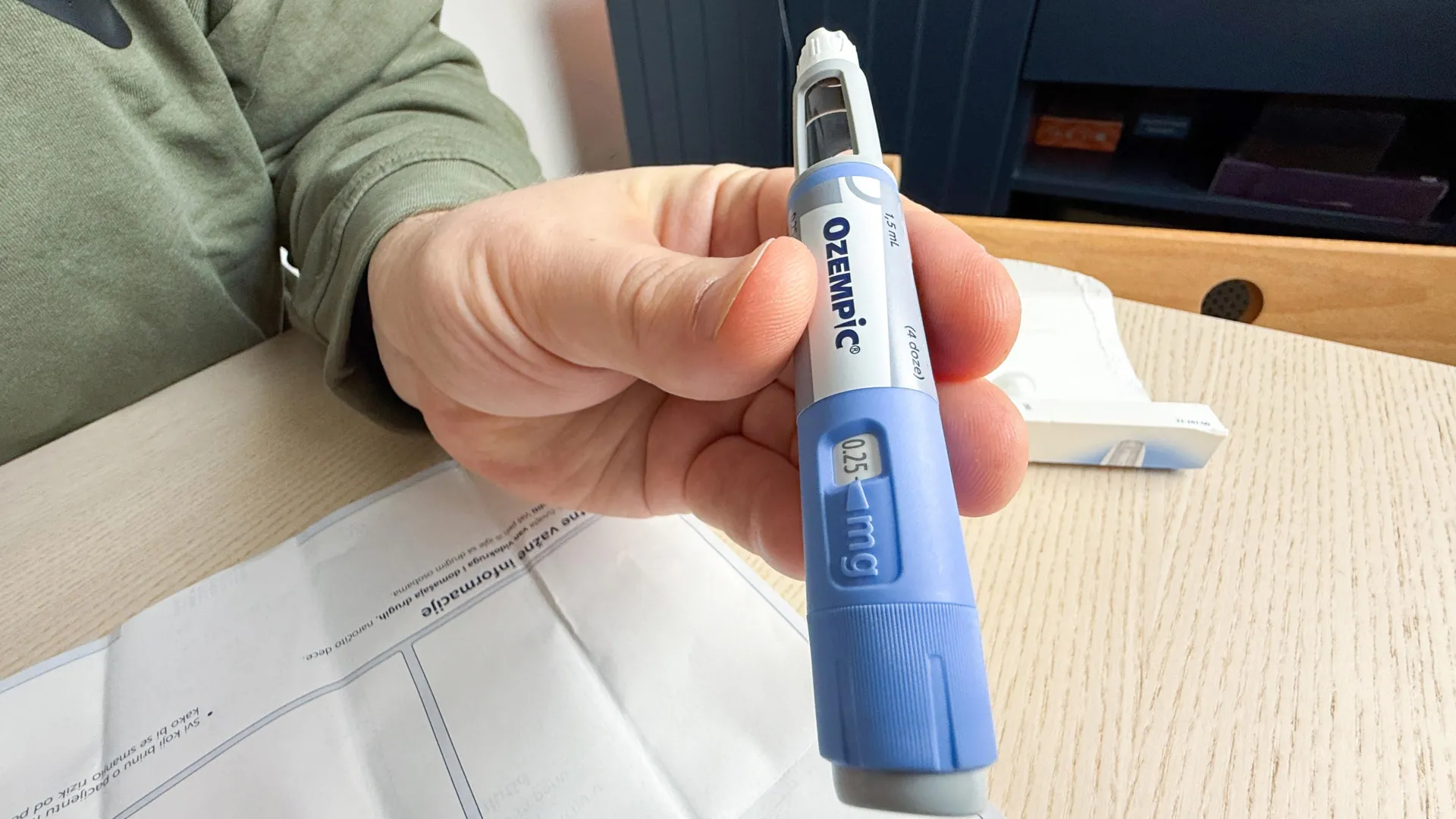
Recent research highlights the expanding role of GLP-1 receptor agonists in mental health, with a large Swedish study linking semaglutide use to a significant reduction in psychiatric hospitalizations for bipolar disorder. Simultaneously, new clinical trials demonstrate that pre-surgical mental health interventions can effectively reduce post-operative anxiety and depression in older adults, while state funding for suicide prevention services shows positive but uneven growth across the US.

3 min read/15 sources
Sep 7, 2026

Mental Health Research Briefing — 2026-09-07

Recent studies highlight a divergence in mental health outcomes for youth, with new data suggesting cats are uniquely linked to worse mental health in young children, while wearable technology is emerging as a powerful tool for predicting depression risk. Additionally, the psychiatric treatment pipeline saw significant activity in August, with new FDA developments and clinical trial updates shaping the landscape for depression and schizophrenia treatments.

3 min read/15 sources
Aug 31, 2026

Mental Health Research Briefing — 2026-08-31

Recent research has raised significant questions regarding the efficacy of puberty blockers for youth mental health, with an NIH-funded study finding no improvement in outcomes. Simultaneously, new studies are leveraging AI to analyze social media data for faster mental health care identification, while a major consensus study establishes 19 core dimensions of positive mental health.

2 min read/15 sources
Aug 21, 2026

Mental Health Research Briefing — 2026-08-21

A landmark consensus study published in *Nature Mental Health* has identified 19 core dimensions of positive mental health, offering a standardized framework to measure well-being beyond the mere absence of illness. Simultaneously, new clinical trial data demonstrates that therapist-supported internet-based treatments outperform standard care for adolescent depression at a lower cost, while a Phase 3 trial confirms rapid, lasting anxiety relief with a single dose of DT120 (lysergide).

4 min read/15 sources
Jul 30, 2026

Mental Health Research Briefing — 2026-07-30

A federal survey reveals promising trends in youth mental health and substance use, while a landmark study of 2.6 million hospitalizations across four countries finds that prolonged heat waves are significantly linked to higher mental health crisis admissions. Meanwhile, new research from The Jed Foundation examines how teenagers are using AI tools and what it means for their mental wellbeing.

4 min read/15 sources
Jul 16, 2026

Mental Health Research Briefing — 2026-07-16

This week's mental health research reveals three critical breakthroughs: depression impacts all five senses in measurable ways, a common constipation medication shows promise for clearing depression-related brain fog, and climate change poses quantifiable mental health risks across multiple countries. These findings point toward more targeted, biologically-informed treatments and the urgent need for climate-mental health policy integration.

5 min read/15 sources
Jul 2, 2026

Mental Health Research Briefing — 2026-07-02

Recent research reveals critical mental health trends: teenage cannabis use doubles the risk of serious mental illness, AI chatbots are reshaping how patients access therapy support, and creatine emerges as a potential depression treatment. Meanwhile, new studies highlight health disparities among people with severe mental illness and gaps in how mental health is measured across Europe.

5 min read/15 sources
Jun 18, 2026

Mental Health Research Briefing — 2026-06-18

Three urgent mental health crises are emerging from recent research: post-encephalitis psychiatric complications affecting survivors, exercise variety showing protective effects against depression, and probiotics demonstrating measurable relief in older adults with depression. These findings signal that mental health interventions must address both biological and behavioral pathways, with particular promise in accessible, low-cost approaches. <!-- /headline -->Breaking: Exercise variety and high-intensity activity reduce depression risk; brain inflammation linked to lasting psychiatric harm<!-- /headline -->

4 min read/15 sources
Jun 11, 2026

Mental Health Research Briefing — 2026-06-11

Three major studies published this week reveal concerning trends in modern life: AI language models can now simulate human emotions for research purposes, remote work significantly increases isolation and mental health problems, and excessive screen time correlates with dramatically higher anxiety and depression in children. These findings underscore how technology is simultaneously reshaping mental health research and amplifying psychological vulnerabilities in vulnerable populations.

5 min read/15 sources

Jun 4, 2026

Mental Health Research Briefing — 2026-06-04

New research reveals a global mental health crisis affecting 1.17 billion people, with neighborhood opportunity emerging as a critical factor in youth psychiatric hospitalizations. Meanwhile, D-cycloserine combined with transcranial magnetic stimulation shows over 2-fold improvement in depression symptoms, signaling a potential breakthrough in treatment augmentation.

4 min read/15 sources
May 28, 2026

Mental Health Research Briefing — 2026-05-28

Global mental health cases have surged to 1.2 billion people—a 95.5% increase since 1990—driven primarily by anxiety and depression, according to a major study published this week. Simultaneously, 73% of Americans report high stress levels, with many turning to problematic coping mechanisms like alcohol and social media. These findings underscore an urgent need for systemic interventions in mental health care, workplace wellness, and digital wellbeing strategies.

4 min read/15 sources
May 21, 2026

Mental Health Research Briefing — 2026-05-21

This week's most significant development comes from a multi-institution study showing that doctor's visits for children's anxiety have risen more than 250% over a decade — a landmark finding with urgent implications for pediatric primary care. Alongside this, new AI-powered therapy research from Reichman University demonstrates that conversational platforms can meaningfully reduce anxiety and depression symptoms, while a fresh Pew Research Center survey reveals stark patterns in how Americans currently perceive and discuss their mental health.

7 min read/15 sources
May 14, 2026

Mental Health Research Briefing — 2026-05-14

This week's research highlights a convergence of environmental, digital, and caregiver-related mental health findings, with a landmark study showing that heavy caregiving burdens accelerate cognitive decline in older adults. Air pollution is emerging as a significant and underappreciated driver of depression and anxiety, while a large-scale digital therapy app trial at Washington University demonstrates meaningful improvements in college student mental health — pointing to scalable, tech-enabled solutions for the care access crisis.

6 min read/15 sources
May 7, 2026

Mental Health Research Briefing — 2026-05-07

A landmark global study published in PLOS Medicine this week reveals that people with poor mental health consistently report worse quality of care and lower confidence in healthcare systems across 18 countries — a finding with profound implications for how health systems worldwide prioritize mental health parity. Meanwhile, Mental Health Awareness Month is spotlighting a surge in demand for self-help resources as Americans report declining well-being, and new youth mental health funding is flowing to nonprofits tackling an accelerating crisis.

5 min read/15 sources

Apr 30, 2026

Mental Health Research Briefing — 2026-04-30

This week's most significant finding comes from a SINTEF study published in DIGITAL HEALTH, revealing that young people prefer ChatGPT's mental health advice over guidance from healthcare professionals — a development with sweeping implications for how AI is integrated into clinical care. Meanwhile, a landmark PNAS analysis of 122 years of U.S. suicide data has confirmed century-long cycles in suicide rates and a persistent, worsening crisis among youth, and the OECD has issued a stark warning that poor mental health costs European economies €76 billion annually.

6 min read/15 sources
Apr 23, 2026

Mental Health Research Briefing — 2026-04-23

This week's most significant development in mental health research is the U.S. federal government's launch of ARPA-H's $139 million EVIDENT initiative to transform behavioral health treatment, paired with a new White House executive order accelerating access to psychedelic therapies for serious mental illness. Meanwhile, real-world TMS data showing 62% complete remission rates for severe depression offers fresh clinical hope, and legislators in New York City are debating groundbreaking legislation to cap young people's social media use at one hour per day.

5 min read/15 sources

Apr 16, 2026

Mental Health Research Briefing — 2026-04-16

This week's most significant development in mental health research is a landmark international consensus study published in *Nature Mental Health* that redefines what "positive mental health" actually means — identifying six essential elements for the first time. Meanwhile, new clinical trial data highlights psilocybin therapy's promise for veterans with PTSD, and California students are pushing legislation to embed digital wellness education directly into school curricula.

5 min read/15 sources

Want your own AI intelligence feed?

Create custom signals on any topic. AI curates and delivers 24/7.

Create Signal

Powered by

CrewCrew