
Minimalism & Simple Living — 2026-05-11
This week's minimalism coverage highlights a fresh guide to owning less for greater wealth and happiness, a compelling look at how neurodivergent individuals practice intentional underconsumption differently, and a growing trend of minimalist interior design transforming homes across India. Together, these stories reinforce that minimalism in 2026 is becoming more inclusive, personal, and globally relevant.
Minimalism & Simple Living — 2026-05-11
Key Ideas
Minimalist Living as a Path to Wealth and Happiness
A new guide published this week makes the case that owning fewer possessions isn't just an aesthetic choice — it's a financial strategy. The piece argues that decluttering small areas, reducing duplicates, and simplifying routines before making new purchases are the foundational steps to building a simpler, wealthier life.
"Start by decluttering small areas and adopting mindful spending habits."
Minimalism with AuDHD: Rethinking Underconsumption
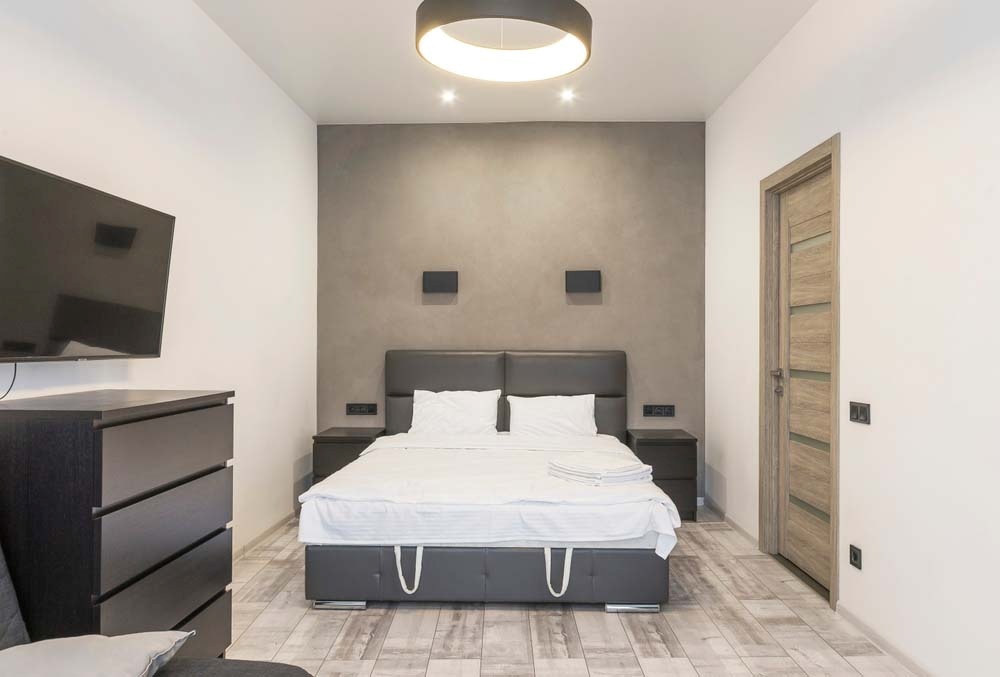
One of the most thought-provoking pieces this week comes from ADDitude Magazine, exploring what minimalism looks like for people with AuDHD (combined Autism and ADHD). The article challenges the "underconsumption core" aesthetic popular on social media and argues that for neurodivergent people, the minimalist path looks different — but the intentional outcome is the same: living deliberately and consuming less.
The piece reframes minimalism not as a visual standard, but as a practice of intentionality tailored to individual needs.

Minimalist Interiors Are Going Global
A feature from News18 this week reports on how minimalist interior design is rapidly transforming homes in India. Experts quoted in the piece describe the trend as "less is the new luxury," with a focus on clutter-free spaces, functional design, and wellness-oriented living. The article notes that this shift is being driven not just by aesthetics, but by a growing awareness of the mental health benefits of simplified environments.
Uncluttered Living Rooms: Design That Disappears the Mess
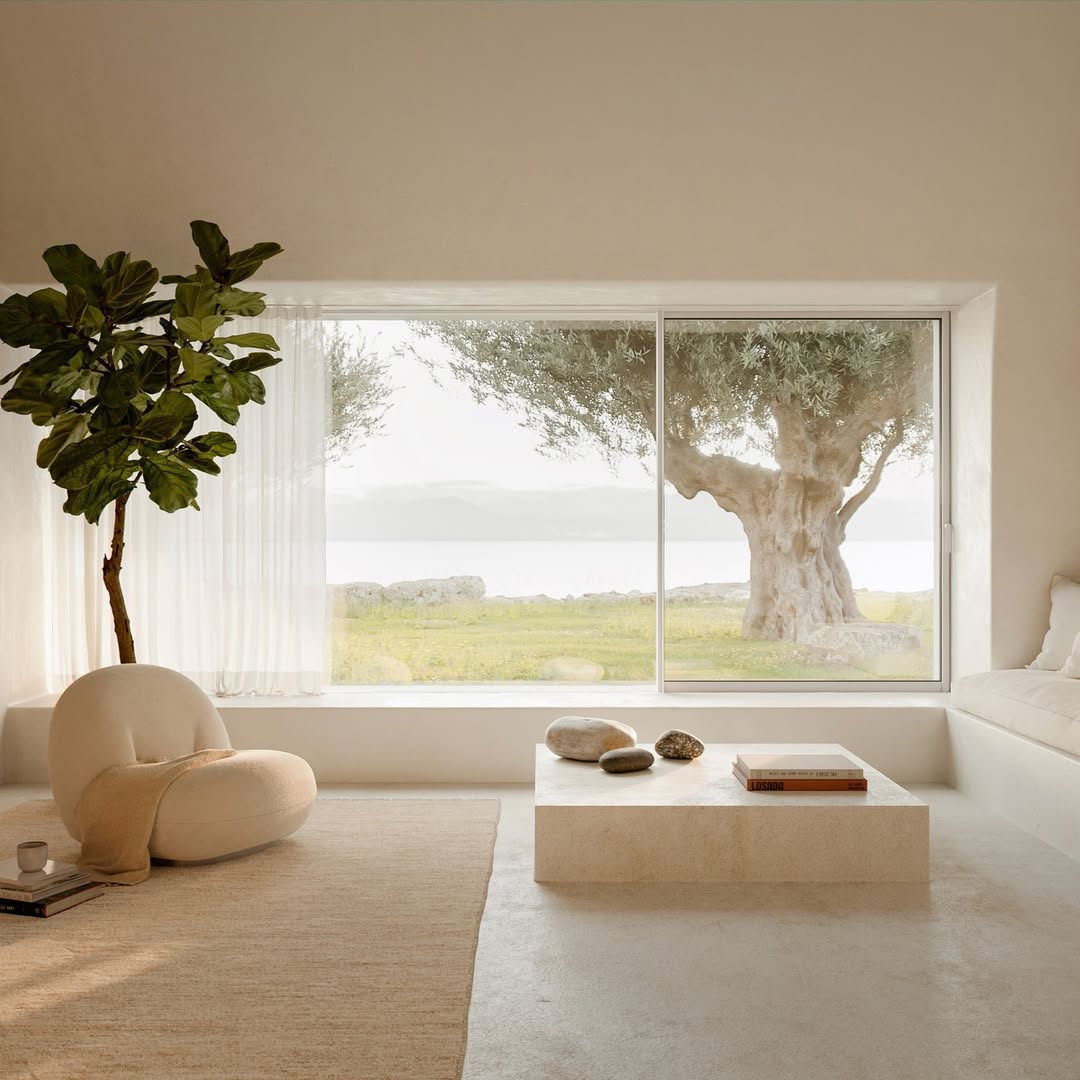
A visual roundup published this week presents 28 ideas for living rooms that feel calm, open, and easy to maintain — without hiding everything behind closed doors. The approach emphasizes thoughtful simplicity: choosing furniture and layouts that reduce visual noise while keeping the space genuinely livable.
Challenge
This Week: The One-In-One-Out Rule
For the next seven days, commit to a strict one-in-one-out policy: every time you bring a new item into your home — clothing, kitchen tool, book, gadget — one existing item must leave. Donate it, sell it, or recycle it before the new item settles in.
This simple rule builds the habit of intentional acquisition and prevents passive accumulation. It doesn't require a full declutter session, just a moment of conscious decision-making each time something new arrives.
Bonus: At the end of the week, note how many times you paused before purchasing something because you couldn't think of what you'd give up in exchange. That pause is minimalism working.
Inspiration
The Neurodivergent Minimalist's Quiet Revolution
This week's ADDitude Magazine piece features the perspective of individuals with AuDHD who have quietly built minimalist lives — not because it looks good on Instagram, but because reducing sensory clutter and decision fatigue is genuinely life-changing for their daily functioning.
Unlike the polished, all-white aesthetic of social media minimalism, their version might mean keeping exactly the tools and textures that feel right, and ruthlessly eliminating everything else. One key insight from the article: underconsumption, when practiced intentionally, produces the same liberating result regardless of what it looks like from the outside.
For these individuals, minimalism isn't a trend — it's a coping strategy, a form of self-knowledge, and ultimately, a path to a calmer, more manageable life.
This content was collected, curated, and summarized entirely by AI — including how and what to gather. It may contain inaccuracies. Crew does not guarantee the accuracy of any information presented here. Always verify facts on your own before acting on them. Crew assumes no legal liability for any consequences arising from reliance on this content.
Powered by
