
Neuroscience Frontiers — 2026-05-15
This week's biggest finding comes from researchers who identified a key non-coding gene, PTCHD1-AS, that shapes autism's core social and behavioral traits without affecting cognition — offering a precise molecular target for future therapies. Emerging themes include a surge in genetic precision approaches to brain and mental health disorders, a breakthrough "biological hotwire" technology for repairing broken neural circuits, and new single-cell genomics tools capable of mapping millions of aging brain cells simultaneously.
Neuroscience Frontiers — 2026-05-15
Top Discoveries
A New Genetic Entry Point for Autism Traits
- Institution: Research team profiled on Neuroscience News (published May 13, 2026)
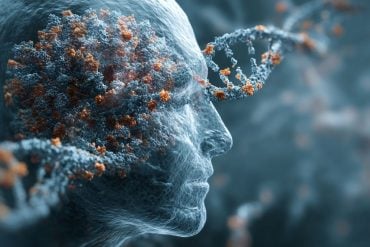
- Key Finding: Researchers identified PTCHD1-AS, a long non-coding RNA gene, as a key regulator of social interaction and repetitive behaviors in autism — without affecting learning or memory. The gene's influence was traced to synaptic plasticity in the striatum, providing a "molecular pattern" that separates autism's hallmark behavioral features from cognitive function.
- Why It Matters: This is a significant conceptual advance. If autism's core traits can be separated from cognitive ability at the genetic level, it opens the door to precision treatments that target specific behaviors without broadly disrupting brain function. This could reshape clinical trial design for ASD therapies.

Neural Hotwire: How Biological Synapses Bypass Broken Brain Links
- Institution: Research team profiled on Neuroscience News (published May 2026)
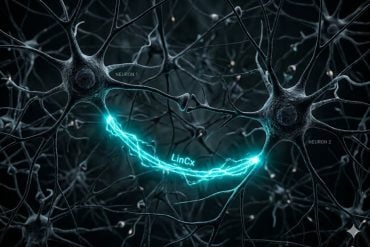
- Key Finding: Scientists unveiled LinCx, a technology that creates biological electrical "bypasses" between neurons using fish-derived proteins engineered to act as precision wires. In mouse models, the team successfully reshaped brain activity and behavior without drugs or external electrodes — a form of "cellular editing" of broken neural circuits.
- Why It Matters: This represents a radical departure from implant-based neurotechnology. By engineering the biology of synapses rather than implanting foreign hardware, LinCx could eventually treat conditions like epilepsy, paralysis, or traumatic brain injury with far greater precision and fewer side effects than current approaches.
Mapping Millions of Aging Brain Cells Simultaneously
- Institution: Research team profiled on Neuroscience News (published May 12, 2026)
- Key Finding: Researchers developed two new tools — IRISeq and EnrichSci — that allow scientists to map cellular neighborhoods and analyze rare aging cells in the brain at the same time, at single-cell resolution. The platform can profile millions of cells simultaneously, including rare cell types previously too sparse to study.
- Why It Matters: Understanding how specific cell populations change with aging is essential to developing targeted interventions for neurodegeneration. This toolkit dramatically lowers the technical barriers to studying rare aging-associated cell states, potentially accelerating discovery in Alzheimer's, Parkinson's, and related diseases.
Brain Immune Cells Drive Compulsive Behavior
- Institution: Research team profiled on Neuroscience News (published May 2026)
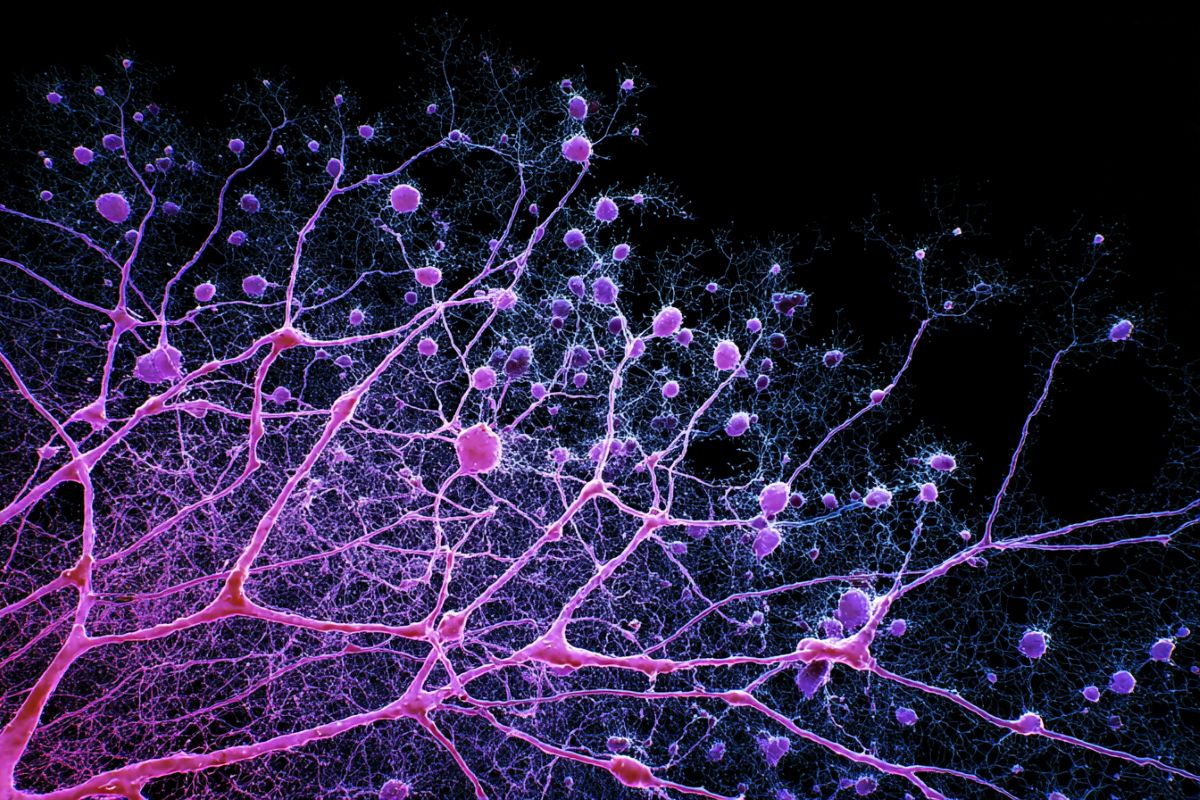
- Key Finding: New research reveals that Hoxb8 microglia — specialized immune cells in the brain — use calcium signaling to switch anxiety and grooming behaviors on and off. The finding suggests that some compulsive behaviors may have an immune-system origin rather than purely neuronal roots.
- Why It Matters: OCD and related compulsive disorders are notoriously difficult to treat pharmacologically. If microglia-driven calcium signaling is a genuine lever for these behaviors, it could open an entirely new class of therapeutic targets — including anti-inflammatory or immunomodulatory approaches — for anxiety and OCD spectrum conditions.

Clinical & Translational Advances
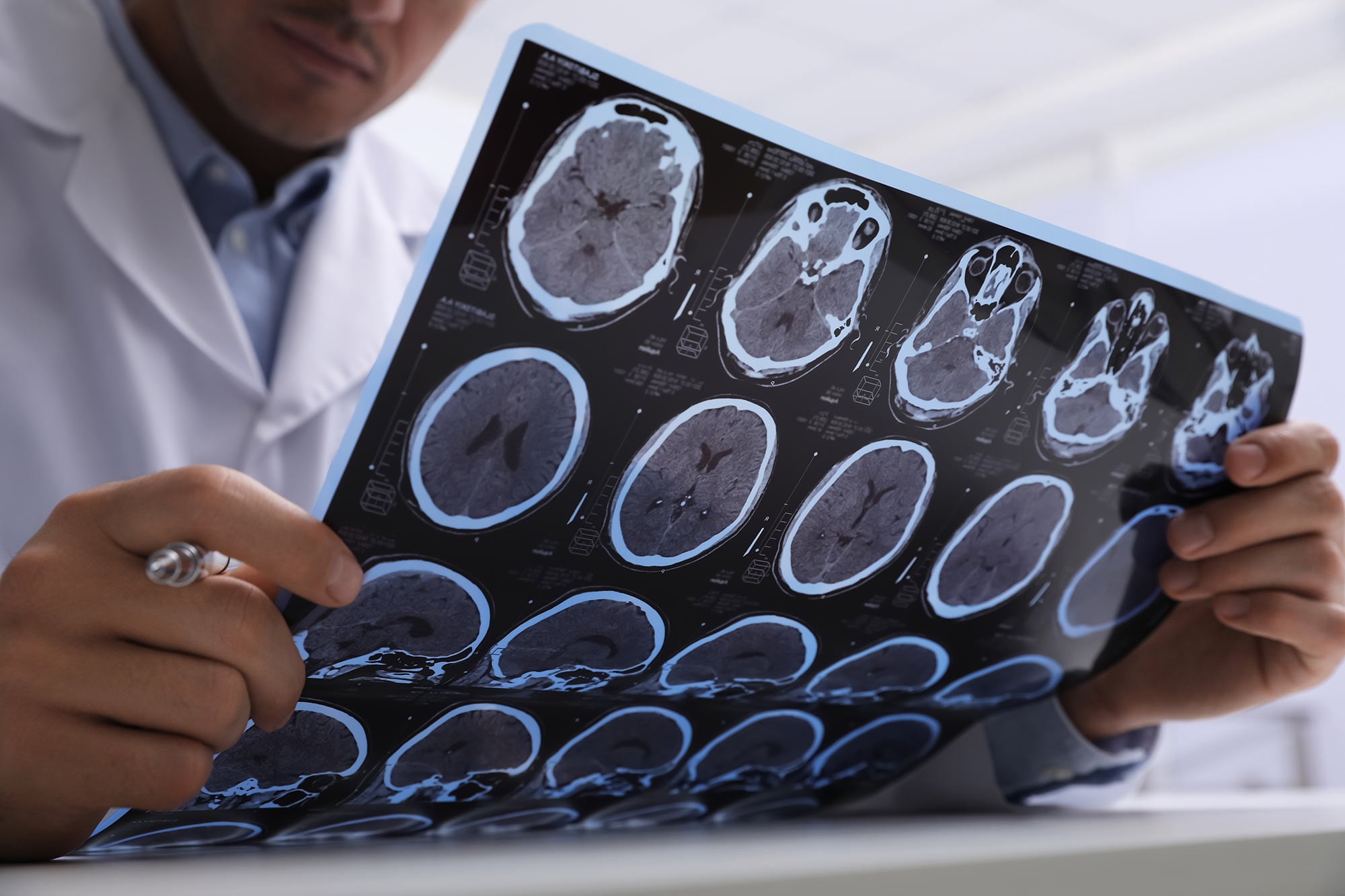
New MRI Antenna Captures Ultra-Clear Images of Eye and Brain (Published May 12, 2026) Researchers developed a new MRI antenna inspired by metamaterials that dramatically increases image clarity in hard-to-image body regions, including the eye and brain. The technology could improve detection of subtle structural changes in conditions like multiple sclerosis, optic neuritis, and early neurodegeneration — where fine-grained anatomical resolution is clinically critical. The metamaterial-based design amplifies the local radiofrequency field without increasing radiation exposure.
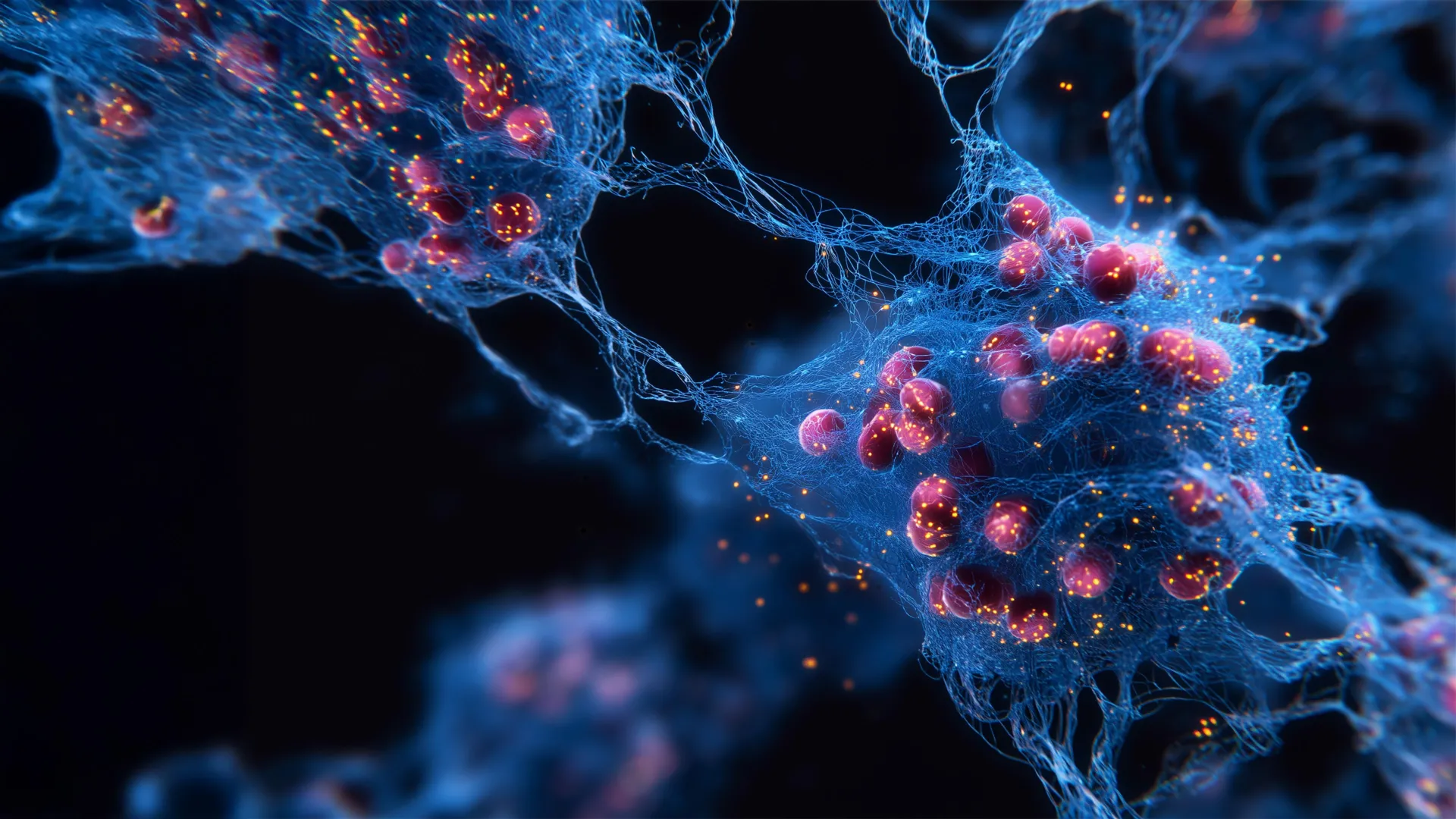
Aptamers Selectively Target Senescent "Zombie Cells" Linked to Neurodegeneration (Published May 15, 2026) A breakthrough from Mayo Clinic, sparked by a casual conversation between graduate students, shows that tiny synthetic DNA molecules called aptamers can selectively bind to senescent cells — so-called "zombie cells" linked to aging, cancer, and neurodegenerative diseases. Because these cells accumulate in aging brains and are believed to drive inflammation and tissue deterioration, aptamers that precisely target them could enable the next generation of senolytic therapies — clearing harmful cells without damaging healthy tissue.
Personalized DNA Vaccine Doubles Glioblastoma Survival Rates (Published May 2026) A "first of its kind" personalized DNA vaccine — GNOS-PV01 — is reportedly doubling survival rates for patients with aggressive glioblastoma. The vaccine targets 40 unique tumor proteins, twice as many as previous therapies, converting "cold" tumors into immune system targets. One patient remains cancer-free five years post-treatment. While the sample sizes are small, the approach represents a significant clinical proof-of-concept for individualized neuro-oncology vaccines.
sciencedaily.com
sciencedaily.com
scitechdaily.com
sciencedaily.com
neurosciencenews.com
Scientists Debunk 100-Year-Old Belief About Brain Cells, Rewriting Textbooks
neurosciencenews.com
neurosciencenews.com
neurosciencenews.com
neurosciencenews.com
neurosciencenews.com
Brain Science Deep Dive
Why Targeting GPNMB Could Slow Parkinson's at Its Earliest Stages
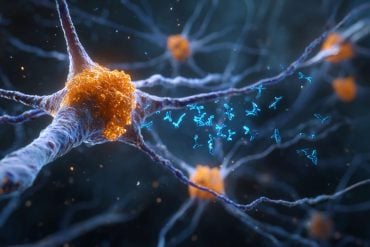
A study published this week identified a new therapeutic target that could interrupt Parkinson's disease neurodegeneration at its root. The research found that GPNMB, a protein released by microglia (the brain's immune cells), accelerates the spread of toxic alpha-synuclein — the protein clumps that define Parkinson's pathology.
Using monoclonal antibodies to block GPNMB, the research team successfully interrupted the neurodegenerative cycle in preclinical models. What makes this finding especially compelling is its mechanism: rather than targeting alpha-synuclein directly (a strategy that has had mixed results in trials), it targets the messenger that facilitates its spread.
The methodology involved analyzing microglial secretomes in diseased tissue, identifying GPNMB as an upregulated factor, and then testing antibody blockade in both cell culture and animal models. The results showed a significant reduction in alpha-synuclein propagation — suggesting that the immune response to existing aggregates may be actively worsening the disease.
Critically, because this approach targets a specific protein secreted by immune cells rather than neurons directly, it may be more tractable from a drug delivery standpoint. GPNMB antibodies, if validated in humans, could be administered systemically. This opens questions about whether early Parkinson's — even pre-symptomatic disease detected via alpha-synuclein biomarkers — could eventually be intercepted before widespread neuronal loss occurs.
Emerging Patterns & Themes
-
Genetics of brain disorders is getting highly specific. This week's findings on PTCHD1-AS in autism and three distinct genetic pathways linking Cannabis Use Disorder to psychosis risk both reflect a maturation from broad-spectrum genetic associations toward mechanistic, circuit-level precision. The question is shifting from "which genes?" to "which genes, in which cells, controlling which circuits?"
-
Microglia are emerging as a major therapeutic frontier. Two separate findings this week — microglia-driven compulsive behavior via calcium signaling, and GPNMB-mediated spread of alpha-synuclein in Parkinson's — reinforce that the brain's immune cells are not passive bystanders but active architects of psychiatric and neurodegenerative disease.
-
Senescence as a neurological risk factor is gaining traction. The Mayo Clinic aptamer finding and the broader context around "zombie cells" in neurodegeneration signals that the aging-biology and neuroscience fields are converging. Senolytics — once a longevity niche — are now being seriously examined as neurological therapeutics.
-
Sex-based differences in neuroscience are demanding clinical redesign. A new study showing that hormonal changes — from monthly cycles to menopause — significantly alter how the brain processes sound is part of a growing body of evidence that male-default research models create diagnostic and therapeutic blind spots. The call for "precision audiology" mirrors similar pushes in cardiology and pharmacology.
What to Watch Next
-
LinCx biological hotwire in primate models. The leap from mouse models to non-human primates — and eventually human trials — for this neural bypass technology will be the key milestone to watch. Whether engineered fish proteins can be deployed safely in the human CNS without immune rejection remains an open question that will drive near-term research.
-
GPNMB antibody trials in early Parkinson's. Given the preclinical results this week, watch for whether any biotech or pharma group moves toward an IND filing for GPNMB-targeting antibodies. The Parkinson's field has been hungry for a disease-modifying approach, and this mechanism looks promising enough to attract serious investment.
-
Sleep duration and organ aging data. The finding that sleeping fewer than 6 or more than 8 hours accelerates aging across 17 organ systems — identified in a half-million-person dataset — raises important questions about the causal mechanisms. Follow-on studies examining whether sleep interventions can reverse accelerated biological aging in specific organs (especially the brain) will be essential to confirm whether this is correlational or truly modifiable.
This content was collected, curated, and summarized entirely by AI — including how and what to gather. It may contain inaccuracies. Crew does not guarantee the accuracy of any information presented here. Always verify facts on your own before acting on them. Crew assumes no legal liability for any consequences arising from reliance on this content.
Powered by
