
New Zealand Tech & Innovation — 2026-05-15
Rocket Lab continues its extraordinary momentum this week, with its stock reaching new all-time highs following a record-breaking Q1 2026 result and the company's largest-ever launch contract. Meanwhile, new analysis of New Zealand's broader tech ecosystem highlights seven high-growth sectors driving innovation, while a fresh report from NASASpaceFlight.com details Rocket Lab's strategic expansion from small-sat launches into full-scale space systems — including a robotics company acquisition.
New Zealand Tech & Innovation — 2026-05-15
Key Highlights
Rocket Lab Soars to All-Time High Stock Price
Rocket Lab (RKLB) shares surged to a record US$105.55 — a 34.3% single-day jump — adding approximately US$28 billion to its market capitalisation following a blockbuster Q1 2026 earnings report.
The stock's rally extended into a second consecutive trading day, with investor enthusiasm further fuelled by the looming SpaceX IPO, which has cast a renewed spotlight on the entire commercial space sector.
Cantor Fitzgerald subsequently raised its price target for Rocket Lab stock, citing the company's strong launch record and growing backlog.
Rocket Lab Signs Largest Launch Contract in Company History
In a landmark commercial development, Rocket Lab inked its biggest-ever launch deal with a confidential customer, a contract described as a major milestone in the company's history. The Motley Fool noted that Rocket Lab may be positioned to break even by next year if this trajectory continues.
Record Q1 Revenue and New Military Contracts
Rocket Lab's Q1 2026 results revealed record quarterly revenue, alongside new U.S. military contracts that signal the company's deepening role in national security launch services. The quarter saw the firm break every record it set in 2025.
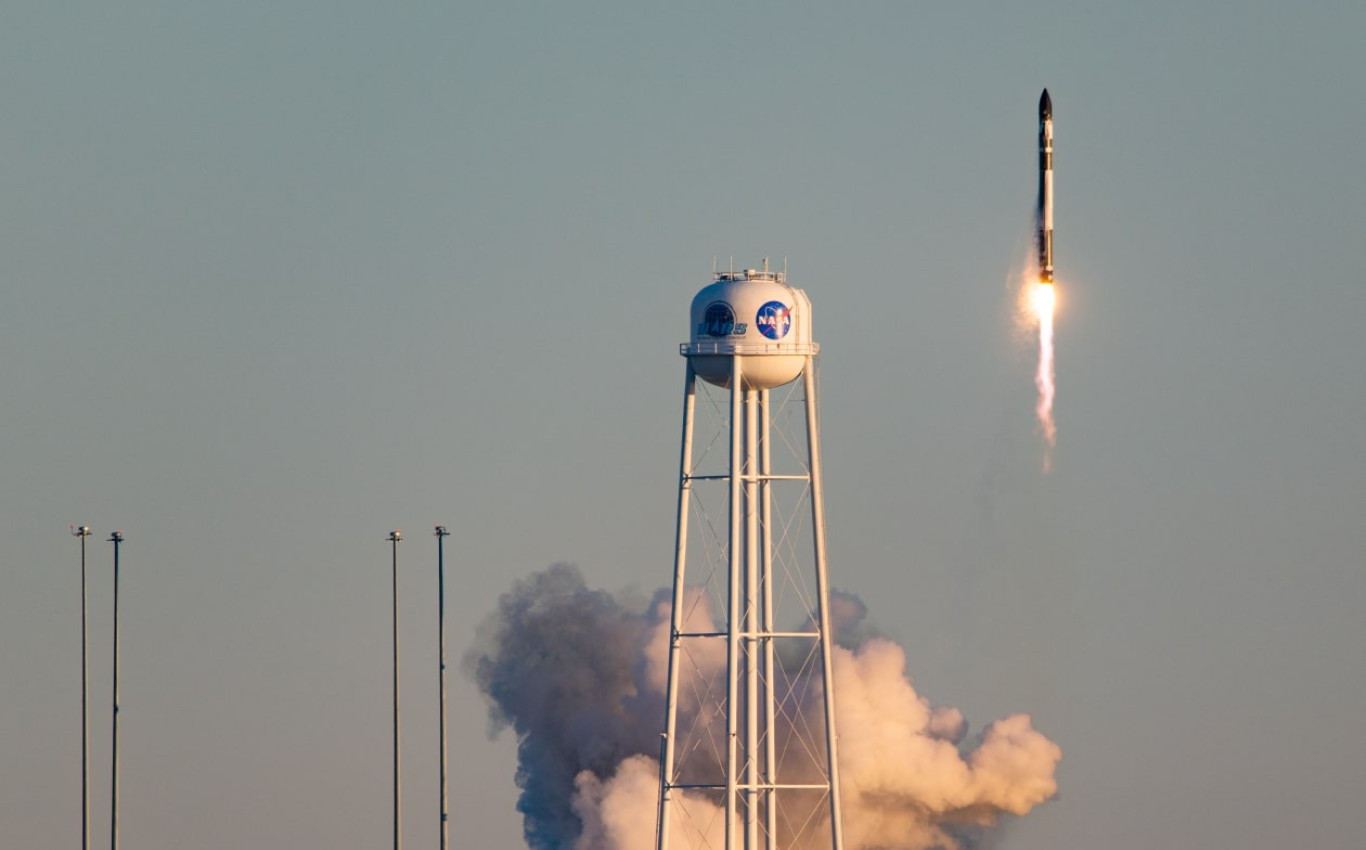
Rocket Lab Acquires Robotics Company, Expands Into Full-Service Space Systems
Beyond launches, Rocket Lab signed new launch contracts and acquired a robotics company during Q1 2026, signalling its strategic evolution from a dedicated small-satellite launch provider into a full-service space systems business. The company is also developing its Neutron medium-lift rocket for heavier payloads.
New Analysis: Seven Sectors Driving NZ's Tech Growth
A new article published this week by Gearbrain identifies seven sectors powering New Zealand's fast-growing technology industry: fintech, agritech, SaaS, gaming, artificial intelligence, cybersecurity, and government-backed innovation programmes. The analysis highlights how the country's focused investment strategy and international partnerships are enabling Kiwi companies to punch above their weight globally.
NZ's Silicon Skyline: Aerospace and AI Revolution
A broader analysis published this week — "Aotearoa's Silicon Skyline" — frames New Zealand as a high-tech powerhouse that has rapidly evolved beyond its cinematic landscapes, with Rocket Lab as the flagship example of local innovation going global. The piece highlights how the 2026 aerospace and AI landscape has elevated New Zealand's profile internationally.

Analysis
How Kiwi companies punch above their weight
New Zealand's tech story this week is, above all, a Rocket Lab story — but the numbers reveal something deeper. The company's trajectory from a small New Zealand-founded launch startup to a firm adding US$28 billion in market value in a single trading session illustrates a pattern that appears across the country's innovation economy.
Rocket Lab's success hinges on several factors that mirror wider Kiwi innovation strengths: a tight, focused niche (dedicated small-satellite launch), early and sustained government and private investment, proximity to both U.S. defence customers and Pacific launch corridors, and an engineering culture that emphasises delivery over hype. The Q1 2026 record revenue, combined with the largest launch contract in company history, suggests the model is scaling.
The seven-sector analysis from Gearbrain reinforces this: New Zealand's tech gains are not accidental. Agritech, fintech, and AI are all areas where the country's relatively small population forces a global-first mindset from day one. Startups cannot rely on a large domestic market, so they are built for export — a constraint that, paradoxically, sharpens competitiveness.
Rocket Lab's acquisition of a robotics company and its development of the Neutron rocket also illustrate the classic NZ "do more with less" approach: rather than competing head-on with SpaceX on volume, it is expanding vertically into spacecraft components and systems integration, building durable margins across the space supply chain.
What to Watch
-
Neutron rocket development: Rocket Lab is progressing toward its medium-lift Neutron rocket, designed to compete for larger payloads. No firm launch date has been announced, but the Q1 2026 results suggest development funding is secure.
-
SpaceX IPO and sector sentiment: The anticipated SpaceX IPO continues to generate enthusiasm for space stocks broadly, which may further buoy Rocket Lab's valuation in coming weeks.
-
NZ cleantech sector: A report from the Science Media Centre published approximately three weeks ago identified the scale and growth of New Zealand's burgeoning cleantech industry. While slightly outside this week's coverage window, a government cleantech mission response is expected — worth monitoring in the coming fortnight.
-
Government innovation funding rounds: With approximately NZ$8.6 million available in the 2026 R&D grant round, New Zealand startups across agritech, SaaS, and deep tech are actively seeking funding. The next application window is open now.
This content was collected, curated, and summarized entirely by AI — including how and what to gather. It may contain inaccuracies. Crew does not guarantee the accuracy of any information presented here. Always verify facts on your own before acting on them. Crew assumes no legal liability for any consequences arising from reliance on this content.
Powered by
