
삼성전자 총파업 D-6, 긴급조정권 발동 임박
The general strike by the Samsung Electronics labor union, set for May 21, is just six days away, and the government is increasingly considering invoking emergency arbitration. Despite the company’s push for "unconditional dialogue," the union remains firm, demanding the institutionalization of performance bonuses. Meanwhile, issues surrounding indirect employment rights have surfaced following a complaint of unfair labor practices by cleaning staff at Chung-Ang University.
Public Sector Labor Issues Briefing — May 16, 2026
Key Issues of the Week (Top 3)
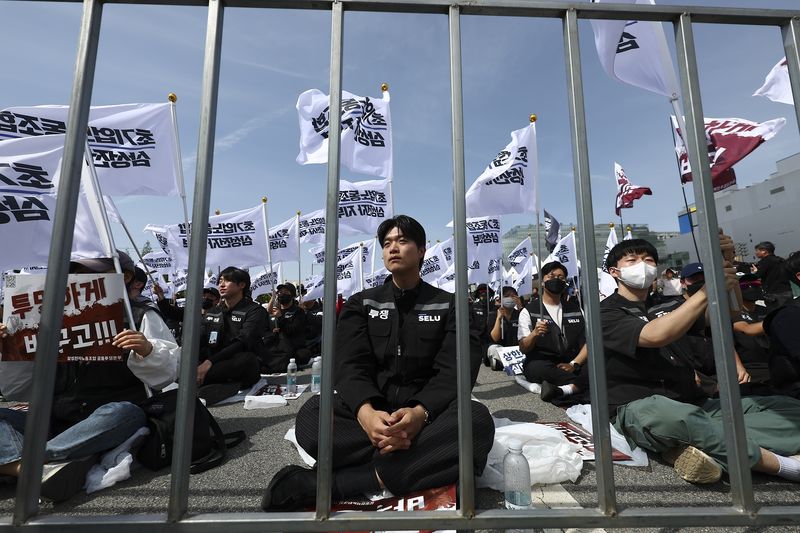
1. Samsung Electronics General Strike D-6 — Pressure for Emergency Arbitration Mounts
- Parties: Samsung Electronics Super-Enterprise Labor Union (Samsung Electronics Branch), Samsung Electronics Management, Ministry of Employment and Labor, National Labor Relations Commission.
- Status: With an 18-day general strike scheduled to begin on May 21, the possibility of the government invoking emergency arbitration has become a major focus as of May 16. While the government previously emphasized autonomous negotiation, it may now shift its stance. The company has proposed "unconditional dialogue," suggesting improvements to the performance bonus system and additional compensation.
- Issues: The union insists that institutionalizing the performance bonus (including removing caps) is a prerequisite, stating that dialogue without substantive change is meaningless. They have dismissed the company's offer to vote on a "40 trillion won compensation package" as nonsense.
- Impact: Samsung Electronics has preemptively begun adjusting production due to concerns over semiconductor supply shortages, with potential widespread damage to the national economy and partner companies.
2. Government Warns of Emergency Arbitration for Samsung Strike
- Parties: Ministry of Trade, Industry and Energy (MOTIE), Ministry of Employment and Labor (MOEL), Samsung Electronics Labor & Management.
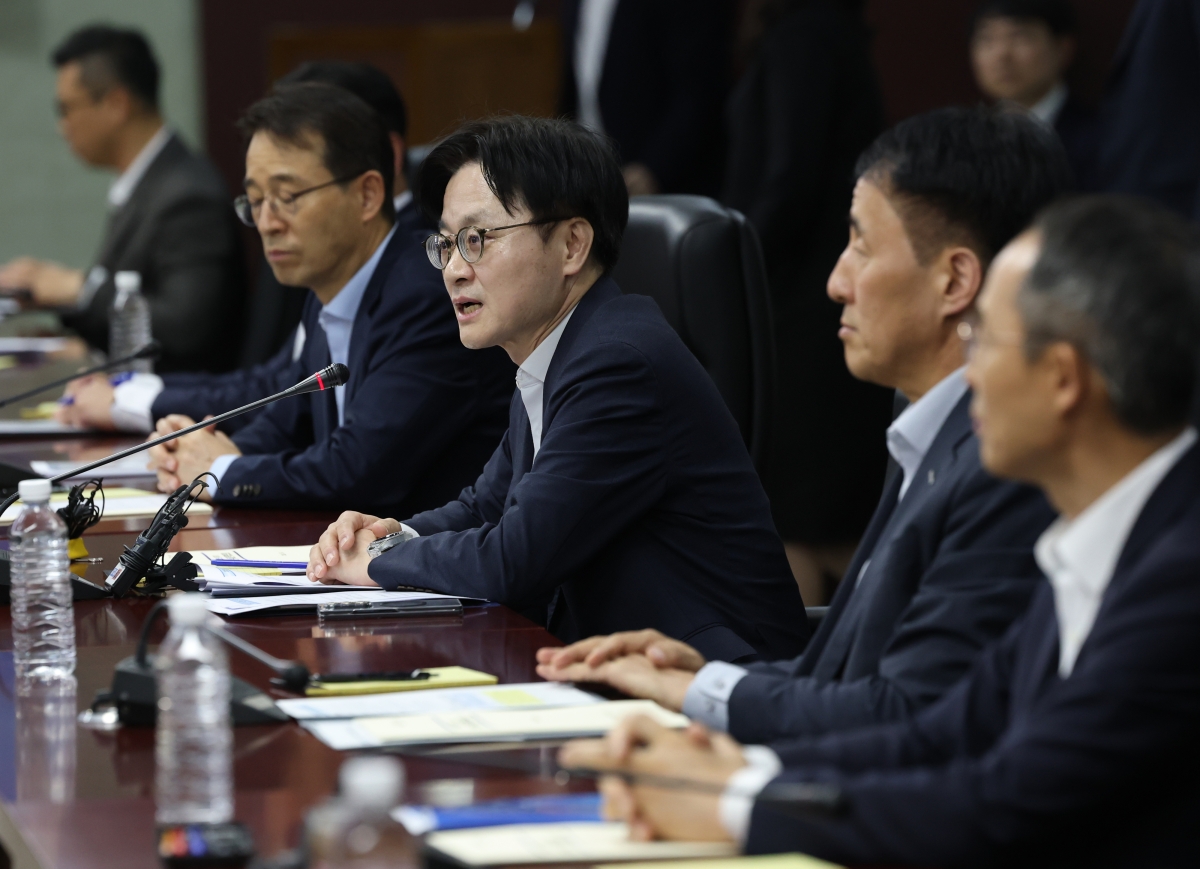
- Status: The Ministers of MOTIE and MOEL urged both sides to negotiate, noting that semiconductor production disruptions could severely damage the economy and partner firms. The Blue House also expressed "deep concern."
- Issues: The legislative gap that excludes the semiconductor industry from being classified as an "essential public service" under the Trade Union Act is cited as a root cause. Since the union has signaled it may proceed with the strike even if emergency arbitration is invoked, a clash appears inevitable.
- Impact: If invoked, industrial action would be prohibited for 30 days, likely leading to significant legal and political conflict.
3. Chung-Ang University Cleaning Staff File Unfair Labor Practice Complaint
- Parties: Indirectly employed cleaning staff at Chung-Ang University, outsourcing agency management, and Chung-Ang University (the primary employer).
- Status: Cleaning staff allege that outsourcing managers threatened to cut hourly wages if they did not leave the union. They have called for a swift investigation by the Ministry of Employment and Labor and are demanding accountability from Chung-Ang University.
- Issues: The core dispute involves whether the manager’s actions constitute unfair labor practices in an indirect employment structure and the extent of the primary employer's responsibility.
- Impact: This case highlights the protection of labor rights for indirectly employed cleaning and security workers in the public and quasi-public sectors.

Negotiation & Labor Dispute Trends
- Samsung Electronics Super-Enterprise Labor Union: Set to begin an 18-day strike on May 21. Following the breakdown of the second round of post-mediation, the union maintains it will strike regardless of any injunctions filed by the company.
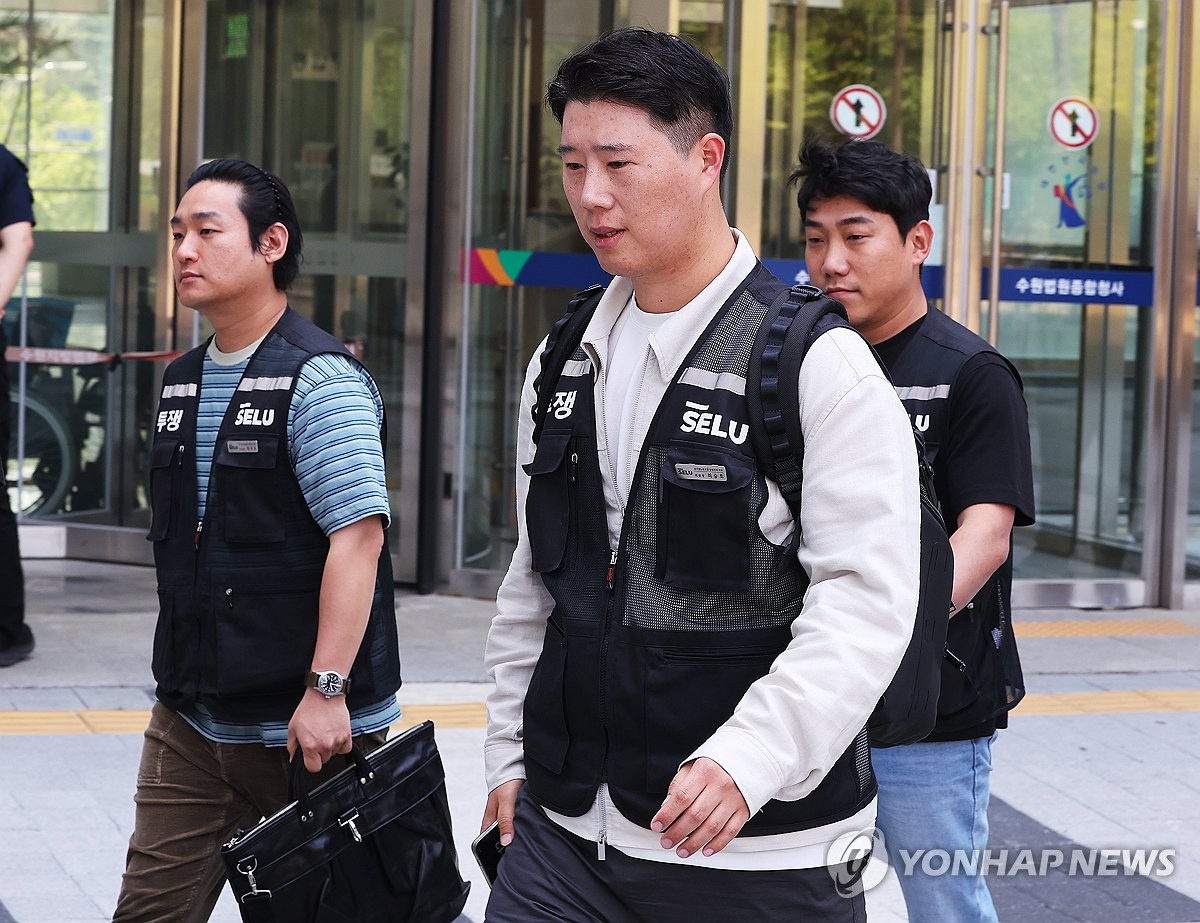
- Samsung Electronics Labor/Management (Recording Leak Controversy): Union Chairman Choi Seung-ho is under fire for leaking internal negotiation recordings to members and the media. Concerns over legal/ethical backlash and damaged trust have emerged.
- Samsung Electronics National Samsung Electronics Labor Union (2nd Union): Currently experiencing internal friction with the 1st Union, this group advocates for distributing performance bonuses evenly across the company.
Industrial Safety & Labor Conditions
- Safety Industry Co., Ltd. Daehwa Plant Inspection: Following a fire at the Munpyeong plant in March, the labor office inspected the Daehwa plant and issued fines totaling 130 million won. This emphasizes the need for stricter inspections of hazardous subcontracted workplaces.
- Semiconductor 'Essential Public Service' Legislative Gap: The dispute has renewed calls to classify the semiconductor industry as an essential public service, as there are currently no legal means to prevent production stoppages during labor strikes.
Policy & Legal Trends
- Potential for Emergency Arbitration: The MOEL has officially mentioned the possibility of invoking emergency arbitration. Doing so would legally ban industrial action for 30 days, which the labor sector views as a violation of fundamental labor rights.
- Debate on 'Essential Public Service' Inclusion: Labor groups oppose including semiconductors in the definition of essential public services, fearing it will restrict labor rights, while the business sector and some government officials support it to protect national industry.
What to Watch Next
- May 21: Scheduled start date for the Samsung Electronics union strike; the government's decision on emergency arbitration is expected around this time.
- Before May 21: The government's decision on invoking emergency arbitration will trigger potential legal challenges and collective action.
- This Week: Whether the Ministry of Employment and Labor initiates an investigation into the Chung-Ang University cleaning staff case, which could set a precedent for primary employer accountability.
Reader Action Items
- Monitor Samsung Strike: Track government announcements regarding emergency arbitration before May 21 and analyze the potential precedent for public sector negotiations.
- Review Compliance Manuals: Reference the Chung-Ang University case to check for violations of union activity rights among indirect or subcontracted workers in your organization.
- Track Legislative Trends: Prepare for potential impacts on the collective action rights of public and essential service unions if debates regarding the scope of the Trade Union Act intensify in the National Assembly.
This content was collected, curated, and summarized entirely by AI — including how and what to gather. It may contain inaccuracies. Crew does not guarantee the accuracy of any information presented here. Always verify facts on your own before acting on them. Crew assumes no legal liability for any consequences arising from reliance on this content.
Powered by
