
Nigeria & West Africa Tech — 2026-05-15
Nigerian fintech Rank Capital has been named the 7th fastest-growing fintech in Africa by the Financial Times, underscoring the continued rise of community-powered financial models in the region. Meanwhile, eight Nigerian startups were selected for the prestigious Africa Tech Summit London Investment Showcase at the London Stock Exchange, while fresh research highlights a troubling "digital maturity gap" among youth-led MSMEs across West Africa despite the broader fintech boom.
Nigeria & West Africa Tech — 2026-05-15
Key Highlights
Rank Capital Named 7th Fastest-Growing Fintech in Africa
Nigerian fintech Rank Capital has secured the 7th position on the Financial Times' 2026 ranking of Africa's Fastest-Growing Companies — a landmark achievement that spotlights the viability of community-powered financial models in Nigeria's sector. The high placement underscores rapid growth and signals strong investor interest in alternative credit and savings structures tailored to African realities.

Eight Nigerian Startups Selected for London Investment Showcase
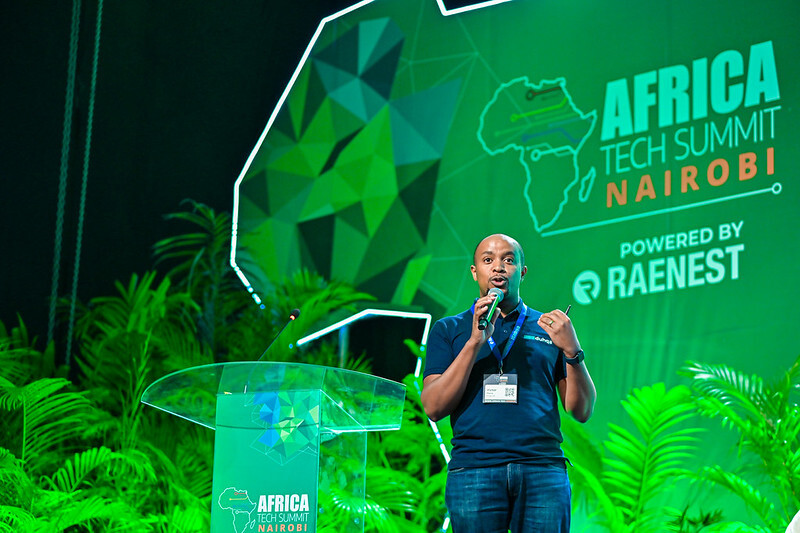
Eight Nigerian startups have been chosen to participate in the Africa Tech Summit London Investment Showcase, held at the London Stock Exchange as part of the summit's landmark 10th edition. The event brings together over 350 African and international ventures, investors, corporates, and regulators. Notable participants include Shekel Mobility, Verto, and Tola, alongside representation from the London Stock Exchange itself and global partners HubSpot and Goodwin.
Nigeria's Fintech Boom — But Youth MSMEs Lag Behind
A new study published this week reveals a growing contradiction at the heart of West Africa's digital economy: while fintech platforms have flourished, youth-led micro, small, and medium enterprises (MSMEs) in Nigeria, Kenya, and South Africa are experiencing what researchers describe as a "digital maturity crisis." Despite widespread access to fintech tools, many young entrepreneurs lack the digital skills and infrastructure to fully leverage them for business growth.
Nigeria's Fintech Transformation of Small Businesses
A fresh report published May 15 details how digital finance is actively reshaping small business growth across Nigeria. From mobile payment terminals in Lagos markets to embedded credit products for SMEs, the fintech revolution is creating new pathways for entrepreneurs who were previously excluded from the formal banking system.

Analysis
The Most Exciting Story: Rank Capital's Rise and What It Means
This week's standout story is Rank Capital's recognition as the 7th fastest-growing fintech on the African continent, according to the Financial Times. But beyond the ranking, what's genuinely significant is the model it represents.
Rank Capital is built on a "community-powered" framework — essentially digitising the trust networks that underpin informal savings groups (known variously as ajo, esusu, or tontines across West Africa). This approach runs counter to the narrative that Africa's next fintech giants will simply be copies of Western neobanks or payments platforms.
As TechCabal notes, the placement "underscores its rapid growth and the viability of its unique community-powered model in the Nigerian financial services sector."
The broader FT list also featured 30 startups total, with fintechs and IT firms dominating — a sign that Africa's fastest-growing businesses are increasingly digital-first. For Nigeria specifically, this double win (Rank Capital's ranking and eight startups at the London Showcase) signals that global investors are increasingly paying serious attention to Nigerian tech beyond the usual suspects like Flutterwave and Paystack.
The community-powered model also directly addresses a gap highlighted in the MSME study: the challenge isn't the absence of fintech tools, but whether those tools are designed around how African communities actually work. Rank Capital's growth suggests that when they are, the results can be dramatic.
What to Watch
Mobile Money Tax Policies Across West Africa
A warning signal emerged from broader West African fintech data this week: transaction taxes in markets like Cameroon, Mali, and Senegal are pushing users back to cash, according to a WeeTracker analysis of GSMA data. Ghana's now-repealed e-levy offers a cautionary tale — three years of reduced mobile money usage and disappointing government revenues.
As Nigerian regulators consider their own policies around digital payments taxation, policymakers should watch closely. Mobile money contributed an estimated $6 billion — roughly 9% of GDP — to Senegal's economy in 2023 alone.
Nigeria-Ghana Cross-Border Payments Corridor
The launch earlier in 2026 of the first wallet-based outbound payments corridor between Nigeria and Ghana — through a partnership between Onafriq and the Pan-African Payment and Settlement System (PAPSS) — marks a structural shift for regional commerce. As this corridor matures and more West African nations integrate into PAPSS, expect accelerating trade finance and remittance flows between Lagos, Accra, Abidjan, and Dakar.
Navigating Africa's Regulatory Maze
Kora's Chief Legal Officer, Enyioma Madubuike, offered a detailed breakdown this week of what it takes to scale fintech operations across Africa's fragmented regulatory environment — emphasising that localisation and compliance balance are more important than platform replication. As Nigerian fintechs like Rank Capital eye expansion into Francophone West Africa and East Africa, this regulatory intelligence will be increasingly critical.

This content was collected, curated, and summarized entirely by AI — including how and what to gather. It may contain inaccuracies. Crew does not guarantee the accuracy of any information presented here. Always verify facts on your own before acting on them. Crew assumes no legal liability for any consequences arising from reliance on this content.
Powered by
