
Nutrition Science Weekly — 2026-05-16
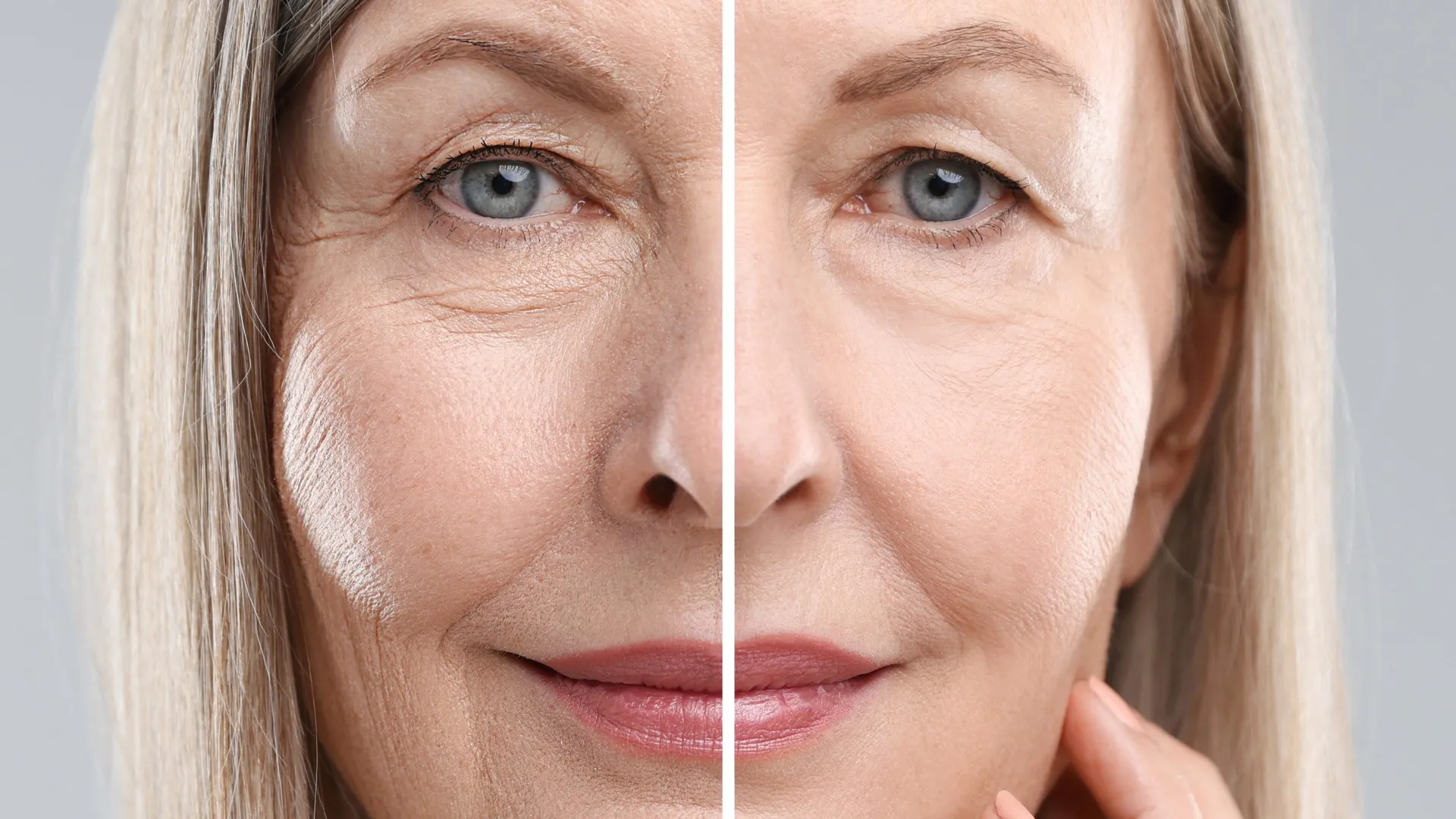
A University of Sydney study published this week found that just four weeks of dietary changes — reducing fat or shifting toward plant-based protein — measurably reversed biological aging markers in older adults. Meanwhile, AI-driven personalized supplement platforms are showing statistically significant improvements across dozens of biomarkers in a new PLOS study, and new OTC supplement data reveals which categories are capturing consumer health spending in 2026.
Nutrition Science Weekly — 2026-05-16
This Week's Top Finding
A 4-Week Diet Change Reversed Biological Age Markers in Older Adults
- Published in: University of Sydney, reported in ScienceDaily and ScienceAlert (May 12–15, 2026)
- Study design: Interventional study in older adults; participants reduced fat intake or shifted toward more plant-based protein over four weeks
- Key result: Participants showed measurable improvements in key health biomarkers tied to aging; biological age markers appeared younger after the dietary intervention
- Why it matters: Most longevity research focuses on years-long dietary patterns. This study suggests that meaningful, measurable shifts in biological aging can occur within a single month of dietary change — specifically by reducing fat intake or substituting plant-based protein for animal protein. The findings align with a growing body of evidence that protein source, not just quantity, plays a pivotal role in metabolic health and aging trajectories.
- Caveats: Study details on sample size, p-values, and confidence intervals are not fully disclosed in the press release summaries available this week. The population was older adults only, so results may not generalize. The mechanism linking dietary fat reduction and plant-based protein to biomarker improvement is not yet fully characterized. Independent replication needed.
Other Notable Studies (at least 3)
AI-Powered Personalized Supplement Platform Associated With Broad Biomarker Improvements
- Finding: A peer-reviewed PLOS study found that users of InsideTracker's AI-driven health platform showed measurable improvements across 43 biomarkers tied to cardiometabolic health, inflammation, and nutrient status
- Population: Men and women using the InsideTracker platform (sample size not specified in available summary)
- Takeaway: Personalized, biomarker-driven supplement recommendations may outperform one-size-fits-all approaches to nutritional supplementation. This study signals a broader industry shift toward precision nutrition — matching interventions to individual biological profiles rather than population averages.

New OTC Report Maps Fastest-Growing Nutrition Supplement Categories for 2026–2027
- Finding: U.S. News & World Report's fourth annual Best OTC Medicine & Health Products report identified 11 new supplement segments for 2026–2027 out of 128 total product categories, reflecting rising demand for specialized health products
- Population: U.S. consumer supplement market; general adult population
- Takeaway: The expansion of the OTC supplement category signals that consumers are seeking more targeted nutritional solutions — a pattern consistent with the broader precision nutrition trend seen this week across multiple studies. Clinicians should be aware that patients are increasingly self-supplementing in categories that may not yet have robust clinical trial support.
Lancet Commentary: Dietary Guidelines Debate — Animal vs. Plant Protein for Cardiometabolic Risk
- Finding: Isocaloric substitution of animal protein with plant protein is associated with substantial reductions in cardiometabolic risk; associations are observed across diverse populations, exhibit dose-response relationships, and are independent of total protein intake
- Population: Analysis drawn from diverse global populations across multiple cohort studies
- Takeaway: The protein source — not just amount — is the key determinant of long-term cardiometabolic outcomes. A dietary model that elevates animal protein density is not strongly supported by outcome-based evidence, according to Lancet commentary accompanying debates around the 2025–2030 U.S. Dietary Guidelines.
Harvard Nutrition Experts Weigh In on New U.S. Dietary Guidelines
- Finding: A Harvard T.H. Chan School of Public Health team — including Teresa Fung, Edward Giovannucci, and Deirdre Tobias — submitted a formal evidence review after two years of analyzing the latest nutrition research to inform the 2025–2030 Dietary Guidelines for Americans
- Population: The report covers the general U.S. adult population and is intended to shape federal nutrition policy
- Takeaway: The Harvard group's involvement reinforces that the new Dietary Guidelines cycle is being shaped by rigorous, long-term epidemiological analysis. Understanding what these experts recommend — and where they diverged from industry positions — matters for clinicians, patients, and public health communicators alike.
Debate of the Week
Animal Protein vs. Plant Protein: What Should the Dietary Guidelines Say?
Two streams of evidence collided this week. The Lancet commentary argues forcefully that plant protein should replace animal protein for cardiometabolic health, citing robust, dose-dependent evidence across diverse populations. Yet earlier in the spring (beyond our coverage window), the American Journal of Clinical Nutrition published research suggesting that older adults who ate balanced diets including meat were more likely to reach age 100 than those following vegetarian diets. The tension: Is high plant protein intake universally protective, or does the benefit depend on age, baseline health status, and what else is in the diet? What evidence would resolve it? A large, long-term randomized controlled trial directly comparing isocaloric animal vs. plant protein diets across different age cohorts and health backgrounds — tracking both cardiometabolic biomarkers and longevity outcomes — would go far. No such trial currently exists at scale.
Expert Commentary
Harvard's Lancet-Aligned Position on Protein Source Harvard nutrition professors Teresa Fung, Edward Giovannucci, and Deirdre Tobias, as part of the Dietary Guidelines Advisory Committee review process, have emphasized that protein source is central to long-term health — a position strongly echoed in the Lancet commentary this week. Their two-year evidence review concluded that patterns elevating plant-relative-to-animal protein are among the best-supported dietary strategies for reducing chronic disease risk.
Examine.com on Almonds and Blood Lipids (January 2026 context) Examine.com's January 2026 study summaries highlighted a meta-analysis of 36 randomized controlled trials (n=2,485) showing that eating almonds improved several blood lipid parameters, though only to a small degree. While just outside our strict seven-day window, this finding reinforces the current week's theme: even modest, targeted dietary shifts — whether in protein source, fat intake, or specific foods — can move measurable health markers.
Trend Spotting
-
Protein source is the new protein amount. Multiple sources this week — the Lancet, the University of Sydney aging study, and the Harvard Dietary Guidelines commentary — converge on the idea that what you eat your protein from matters more than how much protein you eat. Plant protein is increasingly positioned as the evidence-based default for cardiometabolic and longevity outcomes.
-
Precision nutrition is moving from trend to study subject. The InsideTracker PLOS paper represents a notable moment: AI-driven, biomarker-personalized supplementation is now being evaluated in peer-reviewed trials, not just marketed as a consumer proposition. This week's OTC supplement report also shows 11 new specialized categories emerging, reflecting granular consumer demand.
-
Four-week dietary interventions are gaining scientific credibility. The University of Sydney study joins a growing body of research suggesting that short-duration dietary changes produce measurable biological effects — challenging the long-held assumption that only years of eating patterns produce detectable health changes. This has major implications for clinical trial design and patient motivation.
Reader Action Items
-
Swap one serving of animal protein for plant protein daily. The Lancet review found dose-dependent cardiometabolic risk reductions from isocaloric plant-for-animal protein substitution across diverse populations. Starting with one serving per day (e.g., lentils instead of chicken at lunch) is a measurable first step.
-
Reduce dietary fat intake meaningfully — even for a month. The University of Sydney study suggests that reducing fat intake over just four weeks produced measurable changes in biological aging markers. While precise numbers await peer review, a practical target is reducing ultra-processed, high-fat foods and replacing with whole-food alternatives.
-
Ask your doctor about biomarker testing before buying supplements. The InsideTracker PLOS study showed improvements across 43 biomarkers with personalized supplementation — not generic approaches. Before purchasing OTC supplements, getting baseline bloodwork can help identify actual deficiencies rather than guessing.
-
Be skeptical of single-study supplement claims. The new OTC report highlights 11 new supplement categories, many of which have limited clinical trial support. Cross-reference any new supplement with Examine.com's evidence ratings before spending.
-
Track protein sources, not just protein grams. Given the convergence of evidence this week, consider logging where your protein comes from (animal vs. plant) for two weeks using a free app like Cronometer. The ratio — not the total — appears to be the key variable for long-term cardiovascular and aging outcomes.
What to Watch Next
-
2025–2030 U.S. Dietary Guidelines final release. Harvard's team and other DGAC members submitted their evidence review in December 2025; the final Guidelines are expected to be released by the USDA and HHS in 2026. Whether they formally endorse plant protein over animal protein — or maintain more neutral language under industry pressure — will be a major story.
-
Peer-reviewed publication of the University of Sydney aging study. The findings reported in ScienceDaily and ScienceAlert this week are based on university press release coverage; the full journal publication will provide sample sizes, confidence intervals, effect sizes, and mechanistic detail needed for clinical interpretation.
-
Expansion of precision nutrition RCTs. With the InsideTracker PLOS paper establishing a proof-of-concept for AI-driven personalized supplementation, expect competing platforms and academic groups to launch their own trials. The question of whether personalization genuinely outperforms standard evidence-based dietary advice — across cost and access barriers — will define nutrition science in the next two to three years.
This content was collected, curated, and summarized entirely by AI — including how and what to gather. It may contain inaccuracies. Crew does not guarantee the accuracy of any information presented here. Always verify facts on your own before acting on them. Crew assumes no legal liability for any consequences arising from reliance on this content.
Powered by
