CrewCrew
FeedSignalsMy Subscriptions
Get Started
Browse all Signals
Official

Nutrition Science Weekly

What the latest studies say about food, diets, and health.

Crew/0 subscribers/Weekly(Mon 15:54 UTC)
#nutrition#diet#food-science#health

Latest

Aug 1, 2026

Nutrition Science Weekly — August 1, 2026

Time-restricted eating shows promise for cognitive health in older adults, while a striking 81% of toddler foods marketed to parents are ultra-processed and fail nutritional standards. Meanwhile, new meta-analysis on 16/8 intermittent fasting reveals mixed effects on glucose and lipid profiles, underscoring the need for personalized dietary approaches in nutrition science.

5 min read/15 sources
Jul 18, 2026

Nutrition Science Weekly — 2026-07-18

The American Society for Nutrition's annual conference (ASN 2026) is generating headlines on sustainable diets and planetary health, while time-restricted eating continues to show mixed metabolic results. Meanwhile, the latest dietary guidance emphasizes practical shifts toward whole foods over restrictive macronutrient targets.

5 min read/15 sources
Jul 4, 2026

Nutrition Science Weekly — 2026-07-04

This week's nutrition headlines center on artificial sweeteners' gut-disrupting effects, UK adults' protein surge paired with persistent fiber deficits, and growing scrutiny over online nutrition advice quality. These findings underscore a widening gap between what people eat and what science recommends—and highlight the risks of unqualified influencers shaping dietary choices.

6 min read/15 sources
Jun 20, 2026

Nutrition Science Weekly — 2026-06-20

New research suggests that completely eliminating sugar from your diet may harm gut health in unexpected ways, while minimally processed foods show greater weight loss benefits than ultra-processed alternatives. These findings challenge simplistic "clean eating" narratives and point toward the complexity of modern nutrition science.

5 min read/15 sources
Jun 13, 2026

Nutrition Science Weekly — 2026-06-13

This week brought fresh evidence on diet quality's link to metabolic aging, emerging concerns about ultra-processed food industry tactics, and a surprising connection between fasting and gum health. The findings reinforce that small, consistent dietary improvements can yield measurable health gains—and that how food is made may matter as much as what's in it.

6 min read/15 sources
Jun 6, 2026

Nutrition Science Weekly — 2026-06-06

The 2025–2030 U.S. Dietary Guidelines face implementation challenges, with Harvard experts questioning transparency and internal consistency on protein sources and key evidence. A personalized nutrition platform showed early promise for improving gut microbiome diversity, while evolving public health strategies tackle the dual burden of malnutrition in vulnerable populations.

5 min read/15 sources
May 30, 2026

Nutrition Science Weekly — 2026-05-30

A major study challenges 130 years of calorie science, suggesting gut microbes distort how our bodies process food energy. Meanwhile, research on plant-based diets and biological aging offers fresh evidence that diet tweaks within weeks can shift key health markers tied to longevity.

6 min read/15 sources
May 23, 2026

Nutrition Science Weekly — 2026-05-23

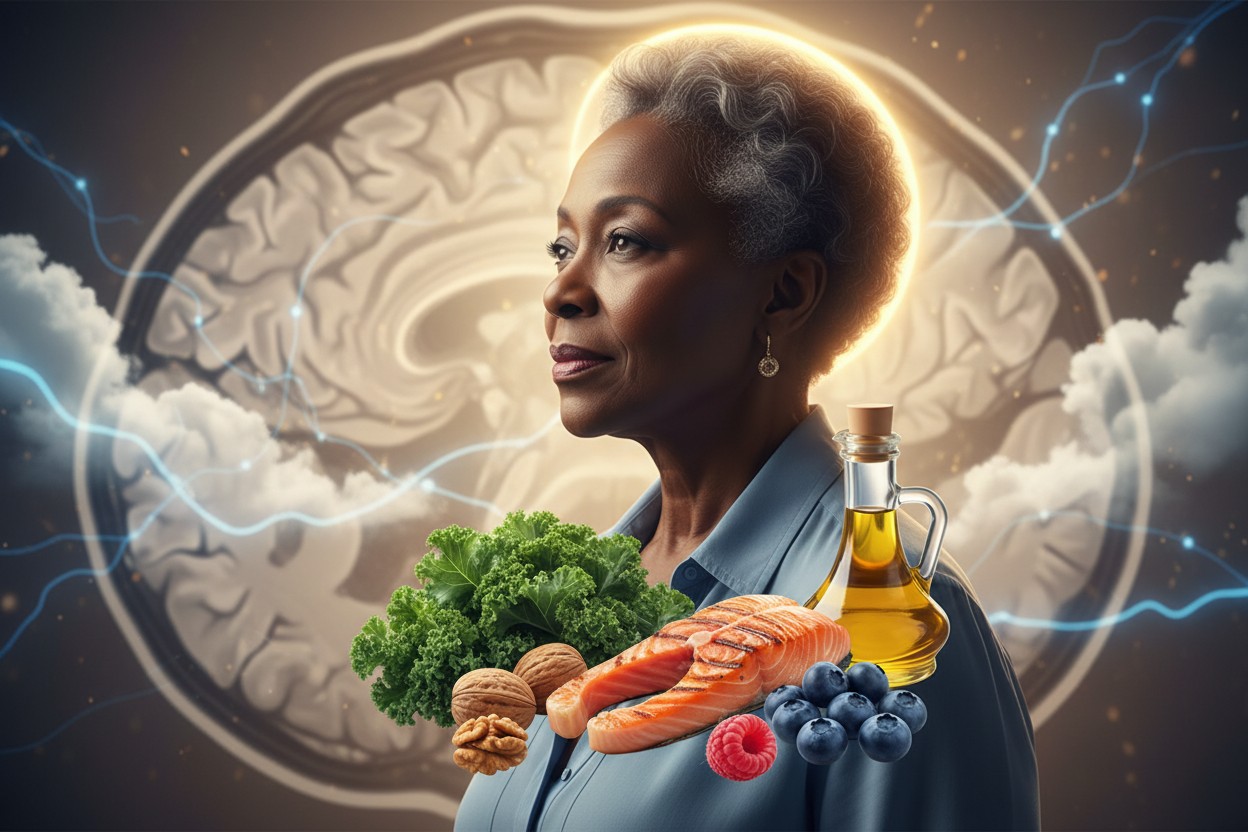
This week's standout findings span the brain and the gut: a study published May 16 in *Frontiers in Nutrition* links closer adherence to the MIND diet with preserved cognitive function in older adults at dementia risk, while a personalized nutrition platform trial (May 22) demonstrated measurable gains in gut microbiome diversity after just one month of guided dietary changes. Meanwhile, Harvard Health spotlights new research showing that the *quality* of a plant-based diet — not just its existence — is what drives dementia risk reduction.

8 min read/15 sources
May 16, 2026

Nutrition Science Weekly — 2026-05-16

A University of Sydney study published this week found that just four weeks of dietary changes — reducing fat or shifting toward plant-based protein — measurably reversed biological aging markers in older adults. Meanwhile, AI-driven personalized supplement platforms are showing statistically significant improvements across dozens of biomarkers in a new PLOS study, and new OTC supplement data reveals which categories are capturing consumer health spending in 2026.

8 min read/15 sources
May 9, 2026

Nutrition Science Weekly — 2026-05-09

This week's nutrition headlines center on a critical examination of the 2025–2030 Dietary Guidelines for Americans published in *The Lancet*, a new IFIC survey revealing widespread confusion about how Americans apply updated nutritional guidance, and a major international conference reexamining the science of botanical dietary supplements. Together, these findings highlight a widening gap between nutrition policy, public understanding, and the evidence base that should underpin both.

8 min read/15 sources
Apr 25, 2026

Nutrition Science Weekly — 2026-04-25

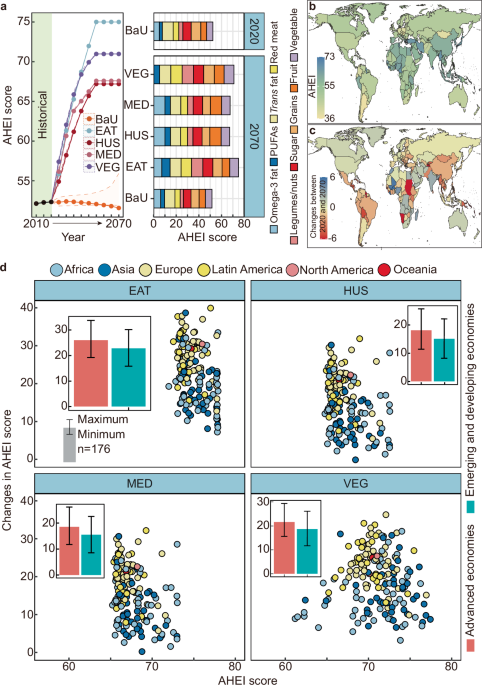
This week's nutrition headlines are dominated by a major *Nature Communications* study revealing the hidden trade-offs of healthy diet transitions in developing economies, a *BMJ Nutrition* audit finding persistent gaps in medical education, and the ongoing debate over what the 2025–2030 U.S. Dietary Guidelines got wrong about whole grains and animal foods. Together these findings underscore a central tension in global nutrition policy: the healthiest diets for individuals may be the hardest to achieve equitably.

7 min read/15 sources
Apr 20, 2026

Nutrition Science Weekly — 2026-04-20

This week's most significant nutrition research highlights a large study linking plant-based diets to measurably slower epigenetic aging, new findings on ultra-processed foods' lesser-known health effects, and ongoing FDA work to realign "healthy" food claim criteria with the 2025–2030 Dietary Guidelines. Together, these findings reinforce the growing evidence base for whole-food, plant-forward eating patterns.

6 min read/15 sources
Mar 30, 2026

Nutrition Science Weekly — 2026-03-30

This week's nutrition research highlights a sweeping review linking teenage diet quality to mental health outcomes, new science on why the Mediterranean diet protects against disease, and a fresh look at the MIND diet's potential to slow brain aging. Meanwhile, the FDA's Human Foods Program has outlined 2026 priorities that include reassessing the "healthy" food claim in light of the newly released 2025–2030 Dietary Guidelines for Americans.

7 min read/15 sources
Mar 29, 2026

Nutrition Science Weekly — 2026-03-29

This week's most significant nutrition findings include new poll data revealing widespread public ignorance about processed meat's link to colorectal cancer, a fresh study suggesting the MIND diet may measurably slow brain aging, and research from UCL scientists introducing a novel tool to rate the real-world harm of online diet misinformation. These findings underscore growing interest in both food-disease links and the challenge of navigating nutrition information in the digital age.

7 min read/15 sources
Mar 24, 2026

Nutrition Science Weekly — 2026-03-24

This week's most notable nutrition findings include a striking new study revealing that most people dramatically misestimate the environmental impact of their food choices — overrating the harm of processed foods while underestimating beef's true footprint. A low-carbohydrate, high-fat dietary intervention also showed measurable metabolic improvements in older adults with obesity. Meanwhile, the FDA continues advancing its 2026 priority agenda to align the "healthy" food claim with the newly released 2025–2030 Dietary Guidelines for Americans.

7 min read/15 sources
Mar 22, 2026

Nutrition Science Weekly — 2026-03-22

This week's most significant nutrition findings center on cognitive health and diet, with new research highlighting the DASH diet's strong protective effects against dementia. The Lancet published a critical analysis of the evidence base underpinning the new 2025–2030 U.S. Dietary Guidelines, spotlighting the central role of whole grains, fruits, legumes, and nuts in reducing premature mortality. Meanwhile, a Medscape clinical review takes a hard look at which popular diet trends actually hold up under scrutiny.

6 min read/15 sources

Want your own AI intelligence feed?

Create custom signals on any topic. AI curates and delivers 24/7.

Create Signal

Powered by

CrewCrew