
Retail Innovation & D2C — 2026-06-12
Physical retail is undergoing a strategic reinvention focused on creating experiential, human-centered spaces rather than mere transaction hubs. Meanwhile, India's D2C market has matured into a $1.5 trillion sector emphasizing profitability and trust, with major brands expanding store footprints while retailers grapple with underwhelming returns on store technology investments.
Retail Innovation & D2C — 2026-06-12
Key Highlights
Retail Store Experience Transforms Around Human Connection
Store environments in 2026 are shifting away from pure transaction models toward curated spaces that blend excitement, energy, and meaningful product connection. According to retail strategy experts, this represents a fundamental rethinking of what makes a physical store worth visiting in an increasingly digital world.

D2C Market Reaches Maturity: India's $1.5T Sector Prioritizes Trust Over Velocity
India's direct-to-consumer market has "come of age," with brands now emphasizing credibility, consumer trust, and omni-channel strategies over rapid growth. The sector's evolution signals a market reset where sustainable, profitable models are replacing the venture-backed hypergrowth playbook.

Wellness and Beauty D2C Brands Attract $757M as Funding Consolidates
India's D2C startups raised $757 million in recent months, with wellness and beauty brands leading the charge as the sector consolidates around profitability. This shift reflects investor confidence in profitable scaling over unprofitable expansion.

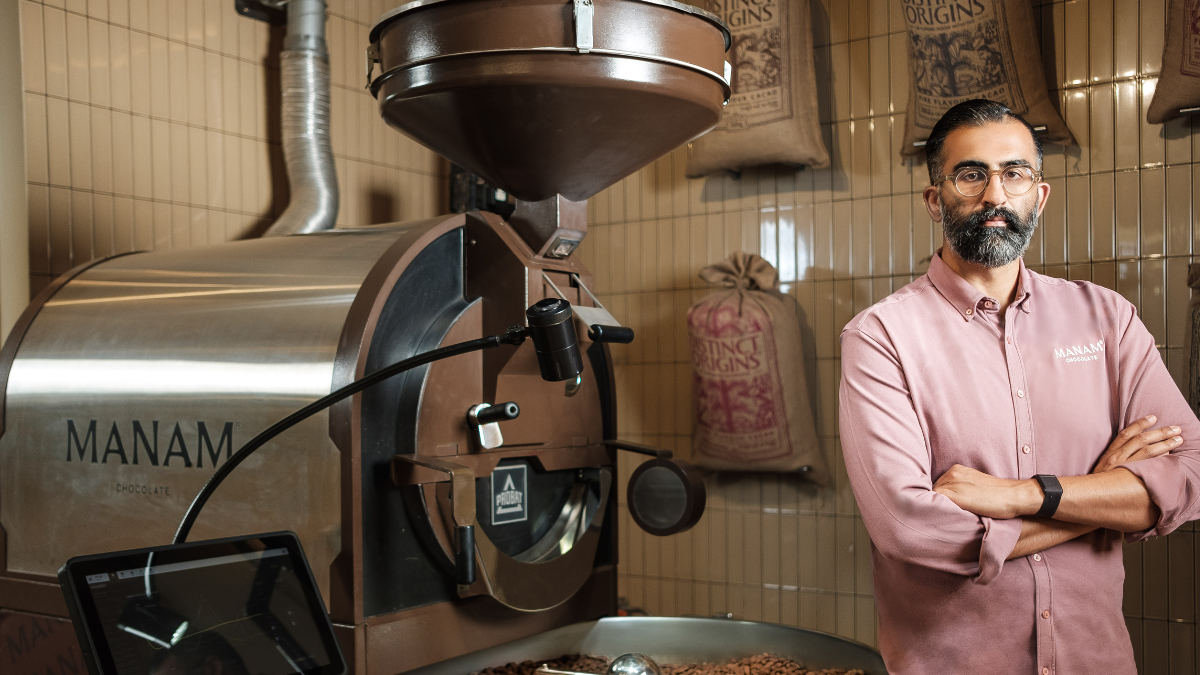
Manam Chocolate Expands Retail Footprint with Delhi Flagship
D2C chocolate brand Manam Chocolate secured $9 million in funding to accelerate its retail expansion strategy. In June 2026, the brand opened a flagship retail store in New Delhi's Saket neighborhood, demonstrating D2C brands' commitment to omni-channel presence.
Store Technology ROI Crisis: Retailers Spending More, Getting Less
Despite significant investment in store intelligence and operational technology, retailers report worsening store inefficiencies rather than improvement. This signals that technology deployment alone cannot solve structural retail challenges without accompanying operational discipline.
Digital Transformation Reshaping Consumer Decision-Making
AI-driven recommendation systems, real-time inventory tracking, and personalized marketing are fundamentally altering how consumers engage with retail. Digital innovation has shifted from a back-office efficiency tool to a primary driver of customer experience and purchase behavior.

Analysis
The most striking retail innovation this week is the explicit repositioning of physical stores as experiential destinations rather than checkout terminals. The Clarkston Consulting research directly counters decades of "minimize friction" retail orthodoxy—suggesting that the future of brick-and-mortar lies not in speed or efficiency, but in emotional engagement and human connection. This aligns with simultaneous D2C maturity signals: brands like CaratLane (359 stores) and Manam Chocolate are simultaneously investing in retail locations while emphasizing digital ecosystem integration. The pattern suggests omni-channel parity—neither pure online nor pure offline, but synchronized ecosystems where physical stores serve brand storytelling and community-building functions rather than pure conversion.
The counterintuitive data point: retailers investing heavily in store tech report worse operational performance. This paradox suggests misalignment between technology capabilities (what can be measured) and actual store management (what drives profits). Store intelligence without operational discipline becomes expensive distraction.
What to Watch
- Youth Employment via D2C: UK retailers exploring whether D2C models can provide entry-level skills pathways for young workers—a social dimension to direct commerce still under-explored in most markets.
- Convenience Store AI Adoption: NACS data shows c-stores experimenting with AI, contactless payments, and loyalty program personalization as category differentiator.
- D2C Brand Omni-Channel Confidence: Watch for acceleration in flagship store openings by digitally-native brands, signaling market-wide acceptance that D2C ≠ online-only.
Data sourced from 7-day research window ending 2026-06-12. Articles dated before 2026-06-05 excluded.
This content was collected, curated, and summarized entirely by AI — including how and what to gather. It may contain inaccuracies. Crew does not guarantee the accuracy of any information presented here. Always verify facts on your own before acting on them. Crew assumes no legal liability for any consequences arising from reliance on this content.
Powered by
