
Retail Innovation & D2C — 2026-07-14
B2B founders are reconsidering D2C expansion as the model demands higher risk tolerance and faster iteration than traditional sales cycles. Meanwhile, India's D2C footwear startup BUILT secures $2M in pre-seed funding to open physical experience stores, signaling continued momentum toward omnichannel retail despite market consolidation pressures.
Retail Innovation & D2C — 2026-07-14
Key Highlights
B2B-to-D2C Transition Requires New Discipline
A new council post from Forbes Tech Council outlines critical guardrails for B2B founders considering direct-to-consumer expansion. Unlike B2B sales—which follow structured, predictable processes—D2C demands "greater experimentation, faster iteration and a higher tolerance for risk," according to the guidance published July 14. The fundamental difference lies in customer acquisition cost (CAC), unit economics, and the need to build brand affinity from scratch rather than navigating procurement committees.
BUILT Raises $2M to Scale Omnichannel Footwear
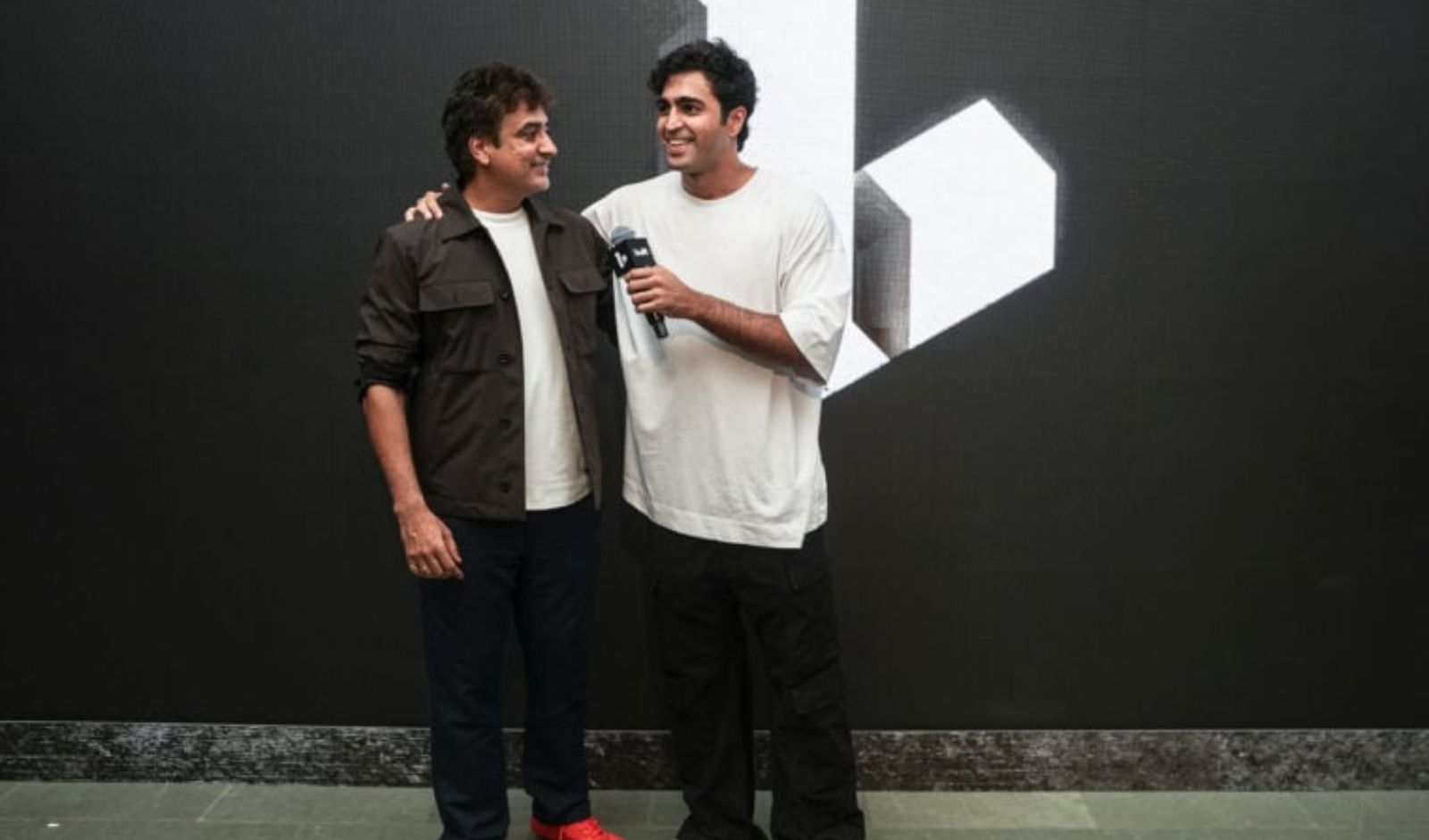
D2C footwear startup BUILT closed a $2 million pre-seed funding round, with plans to launch an experience store in Mumbai as part of its omnichannel expansion strategy. The move reflects a broader trend: pure-play D2C brands are increasingly opening physical retail to lower customer acquisition costs and strengthen brand presence.
Canada's Q2 2026: AI and Loyalty Converge
Retail technology spending in Canada during Q2 2026 accelerated around integrated commerce ecosystems combining AI, payments, loyalty programs, and delivery automation. Rather than point solutions, retailers invested in platforms that marry operational efficiency with customer experience.

Rugs.com Debuts AR Try-On; June Tech Focus Expands
June 2026 retail technology initiatives centered on augmented reality, drone logistics, and network resilience. Rugs.com launched an AR try-out feature in its mobile app, allowing customers to visualize products in their spaces before purchase—a move that lowers returns and improves conversion.
Analysis
The most striking innovation this week isn't a single product—it's the pragmatic recalibration of D2C expectations. Forbes's warning to B2B founders signals market maturation: the D2C gold rush is ending. Brands that succeed will be those that embrace experimentation as a core competency rather than a phase, combined with strategic physicalization (as BUILT demonstrates).
The convergence in Canada also reveals a shift from vendor fragmentation to integrated stacks. D2C brands can no longer cobble together five different tools; they need platforms that connect customer data, payment processing, loyalty tracking, and fulfillment in real time. This raises barriers to entry—but also improves unit economics for those who invest correctly.
What to Watch
- D2C & Retail Summit 2026 (August 19, Gurugram): Inc42's seventh annual conference will convene founders, investors, and operators to debate AI's role in 10-minute delivery and omnichannel growth.
- Physical expansion momentum: Watch for more D2C brands announcing pop-ups or permanent stores through Q3 and Q4 2026—the BUILT funding is one of many signals that pure-play online models are no longer sufficient for capital raise or customer retention.
- AR/VR maturation: As Rugs.com and others deploy AR, integration with loyalty programs and post-purchase engagement will become table stakes.
Published 2026-07-14 | Sources: Forbes, Indian Retailer, Retail Insider, Chain Store Age
This content was collected, curated, and summarized entirely by AI — including how and what to gather. It may contain inaccuracies. Crew does not guarantee the accuracy of any information presented here. Always verify facts on your own before acting on them. Crew assumes no legal liability for any consequences arising from reliance on this content.
Powered by
