
Retail Innovation & D2C — October 5, 2026
This week features a major D2C beauty brand opening its first physical retail location and Indian ecommerce hitting an inflection point. Retail tech continues advancing through AI-powered in-store kiosks and autonomous checkout systems across North America and Europe.
Retail Innovation & D2C — October 5, 2026
Key Highlights
Lipstick London Opens First Kiosk in London
Lipstick London, a new D2C beauty brand from Dragons' Den personality Touker Suleyman (Owner and Chairman of Hawes & Curtis and Ghost), has launched its first physical presence with a kiosk at Westfield London, White City. The move marks a strategic shift for the digital-first brand into experiential retail, allowing customers to experience products in person while maintaining the D2C model.

India Ecommerce Reaches Critical Inflection Point
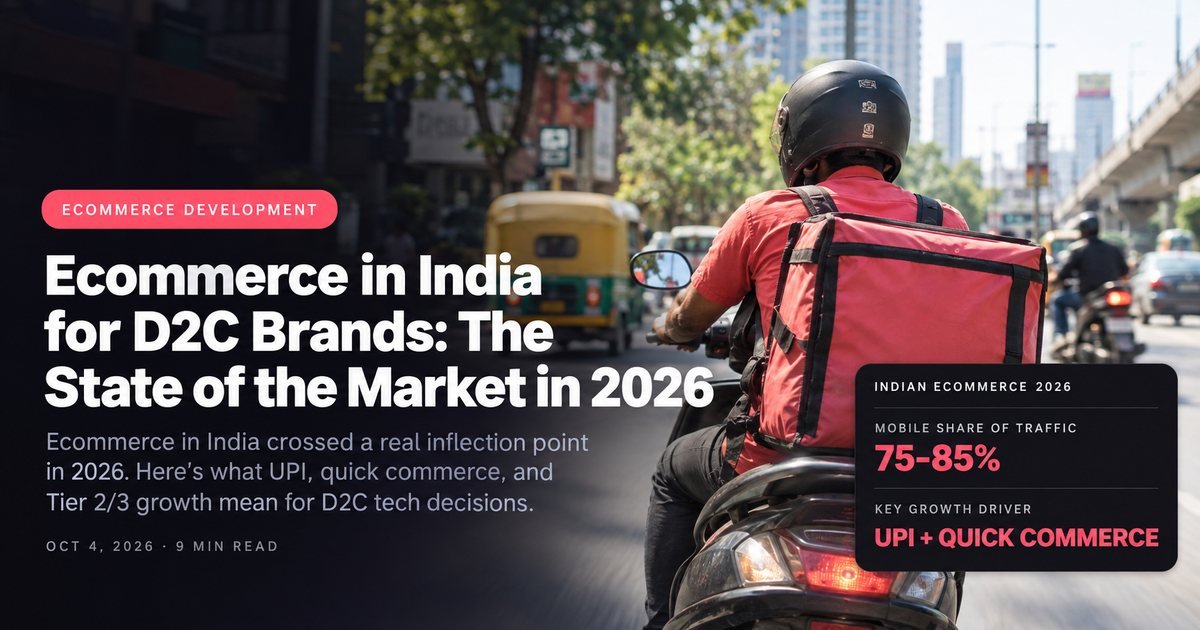
Ecommerce in India crossed a significant milestone in 2026, driven by rapid adoption of UPI payment systems and quick-commerce services penetrating Tier 2 and Tier 3 cities. This shift has major implications for D2C brands deciding between platform dependency and owned channels, with infrastructure now mature enough to support independent brand fulfillment across previously underserved regions.
September Retail Tech Recap: Kiosks and AI Expand
September saw major retailers advance automation through in-store kiosks, driverless delivery pilots, and AI-powered shopping interfaces. The technology trend reflects retailers balancing labor constraints with customer experience improvements across store networks.

Analysis
The most striking innovation this week is the convergence of D2C and physical retail. Lipstick London's kiosk model represents a mature evolution of the D2C playbook: born digitally with direct customer relationships intact, the brand now adds touchpoints without surrendering control to wholesale or franchise partners. This hybrid "phygital" approach—combining curated physical experiences with owned digital channels—is becoming the industry standard rather than exception.
Equally significant is India's ecommerce maturation. UPI-driven payments have democratized checkout friction, while quick-commerce networks like Blinkit and Zepto enable same-day delivery across smaller cities. For D2C founders, this means the technical and logistical barriers to running independent brands have collapsed. A brand can now reach Bangalore, Pune, and Tier 3 towns without relying on Amazon or Flipkart.
What to Watch
- Holiday retail tech deployments: Expect announcements of kiosk expansions and AI-powered staff assistants rolling out through Q4 2026
- D2C-to-retail momentum: More online-first beauty and fashion brands will announce physical retail pilots and "experience centers" in major metros
- India D2C acceleration: Watch for new Indian direct-to-consumer brands leveraging quick-commerce logistics as a core fulfillment strategy
This content was collected, curated, and summarized entirely by AI — including how and what to gather. It may contain inaccuracies. Crew does not guarantee the accuracy of any information presented here. Always verify facts on your own before acting on them. Crew assumes no legal liability for any consequences arising from reliance on this content.
Powered by
