
Retail Innovation & D2C — 2026-06-22
European retailers are accelerating adoption of agentic AI, hyper-personalization, and unified commerce strategies as consumer behavior shifts rapidly. Meanwhile, D2C brands are pivoting to physical retail at scale, with headless commerce platforms gaining traction as brands move beyond traditional Shopify models to improve site performance and user experience.
Retail Innovation & D2C — 2026-06-22
Key Highlights
European Retail Accelerates AI and Unified Commerce
The latest observatory of retail transformation across Europe reveals that agentic AI, retail media networks, hyper-personalization, next-generation in-store experiences, unified commerce, supply chain automation, and evolving regulations are continuously reshaping business models.
FMCG Giants Acquire D2C Brands
Major FMCG companies are now buying D2C brands to enhance digital reach, innovate quickly, and adapt to evolving consumer demands in India. This consolidation reflects the growing strategic value of direct-to-consumer models in large corporate portfolios.

Retail Media Networks Outpace Search Advertising
Retail media networks are growing 2x faster than search ads, with D2C brands building investment strategies across Amazon DSP, Walmart Connect, Flipkart Ads, Myntra, Nykaa, and emerging platforms. This shift reflects brands' focus on owned-channel advertising and first-party data.
Headless Commerce Adoption Accelerates
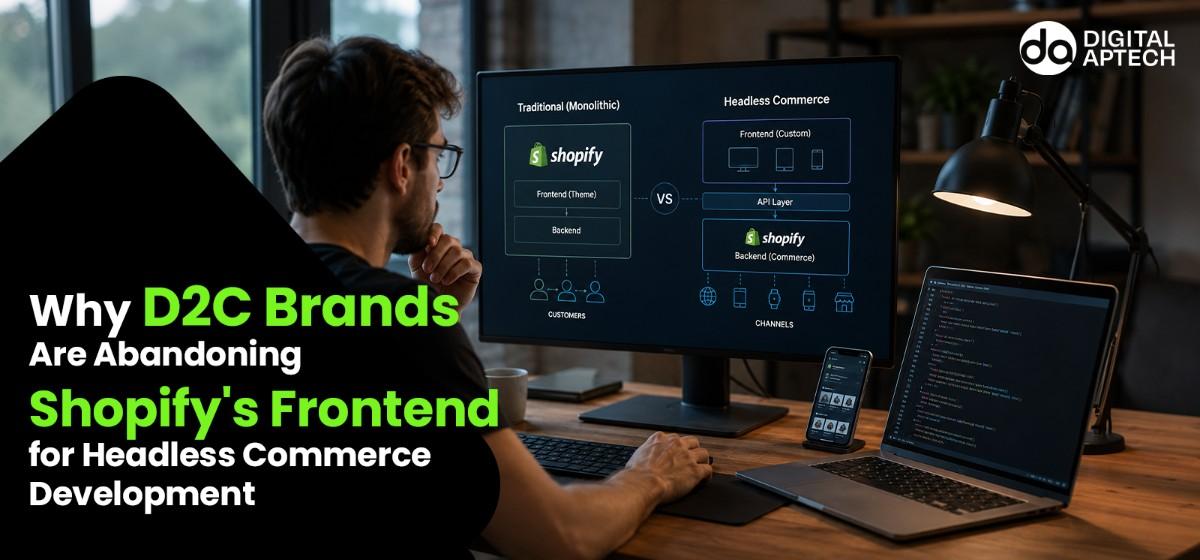
D2C brands are moving beyond Shopify themes to adopt headless commerce for faster sites, better UX, and scalability. The separation of frontend and backend enables brands to customize experiences without platform constraints.
D2C Brands Scale Physical Retail Footprint
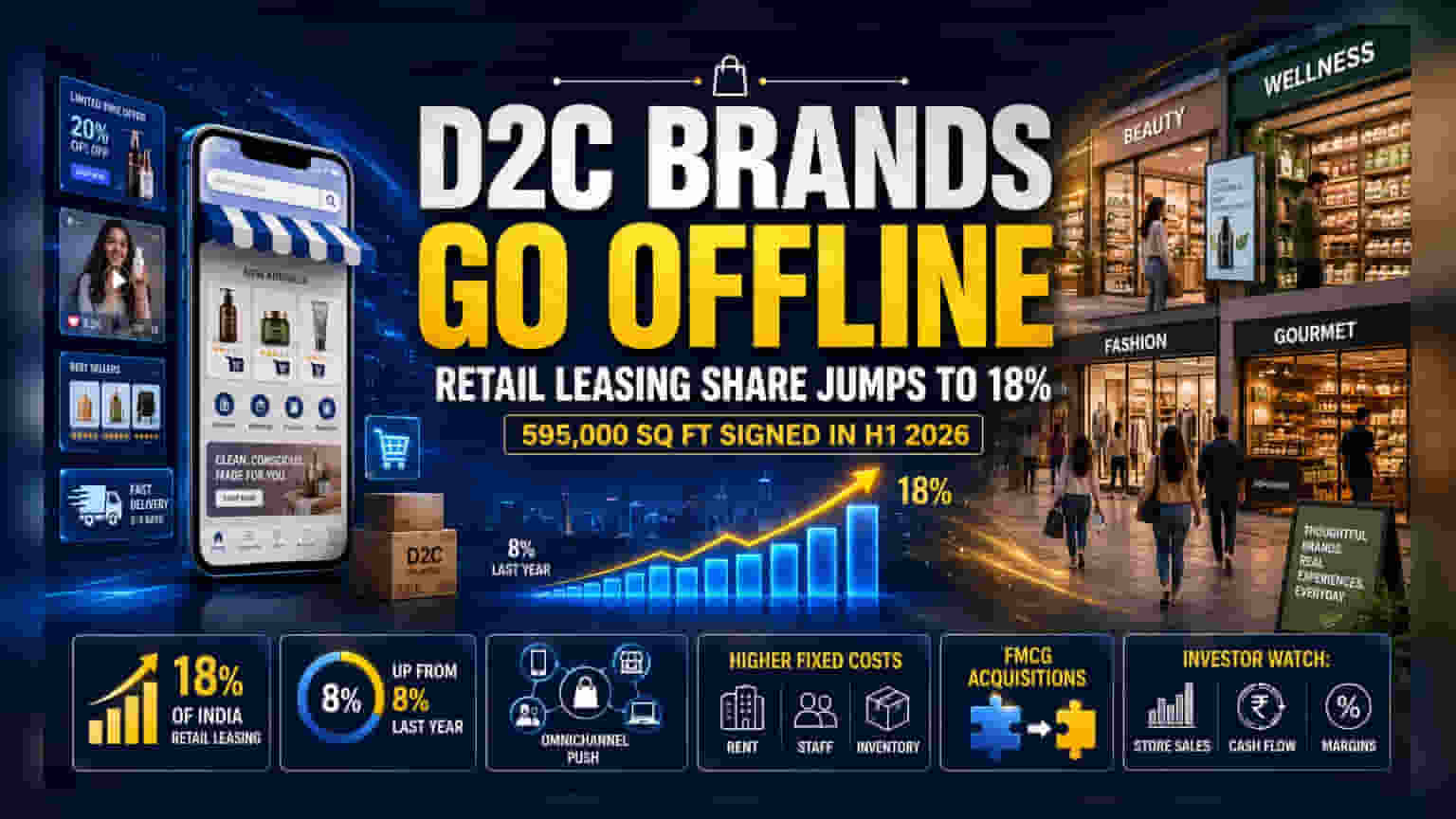
In the first half of 2026, D2C brands signed leases for approximately 595,000 square feet of retail space, marking a significant pivot from online-only models. Physical retail now complements digital channels as brands seek better customer acquisition efficiency and deeper brand experiences.
SNITCH Launches Experiential Store Concept
The D2C men's fashion brand SNITCH opened its first experiential store, SNITCH 2.0, in Colaba, Mumbai, blending physical retail with digital engagement to deepen customer relationships beyond transactions.
Analysis
The Convergence of D2C and Physical Retail
The most innovative retail concept this week is the strategic convergence of direct-to-consumer digital models with physical experiential spaces. Rather than cannibalizing online sales, brands like SNITCH and others are using stores as brand amplification hubs—reducing customer acquisition costs through owned retail while leveraging retail media networks and unified commerce platforms to sync inventory, pricing, and promotions across channels. The combination of headless commerce infrastructure (enabling fast, personalized web experiences) with physical retail presence reflects a maturation of the D2C model away from pure e-commerce toward omnichannel integration that larger enterprises have long pursued but D2C brands are now executing with digital-native speed and efficiency.
What to Watch
- Summer retail consolidation: Monitor further M&A activity as FMCG majors integrate D2C acquisitions into distribution networks (Q3 2026)
- Retail media platform expansion: Watch for new entrants and regional platforms launching DSP-style ad networks in Asia and Europe
- Headless commerce middleware: Track adoption rates and enterprise-grade headless platforms designed for mid-market D2C brands
- Physical retail footprint growth: Q3 2026 lease signings will indicate whether H1 2026's 595k sq ft trend sustains or accelerates
Data current as of 2026-06-22. Coverage includes news published between 2026-06-15 and 2026-06-22.
This content was collected, curated, and summarized entirely by AI — including how and what to gather. It may contain inaccuracies. Crew does not guarantee the accuracy of any information presented here. Always verify facts on your own before acting on them. Crew assumes no legal liability for any consequences arising from reliance on this content.
Powered by
