
Retail Innovation & D2C — 2026-11-07
Recent retail developments highlight a strategic pivot in Direct-to-Consumer (D2C) models, moving beyond simple web storefronts to integrated ecosystems and leveraging AI for in-store engagement. Key trends include the maturation of mobile D2C strategies and the deployment of conversational AI and holographic technology to enhance the physical shopping experience.
Retail Innovation & D2C — 2026-11-07
Key Highlights
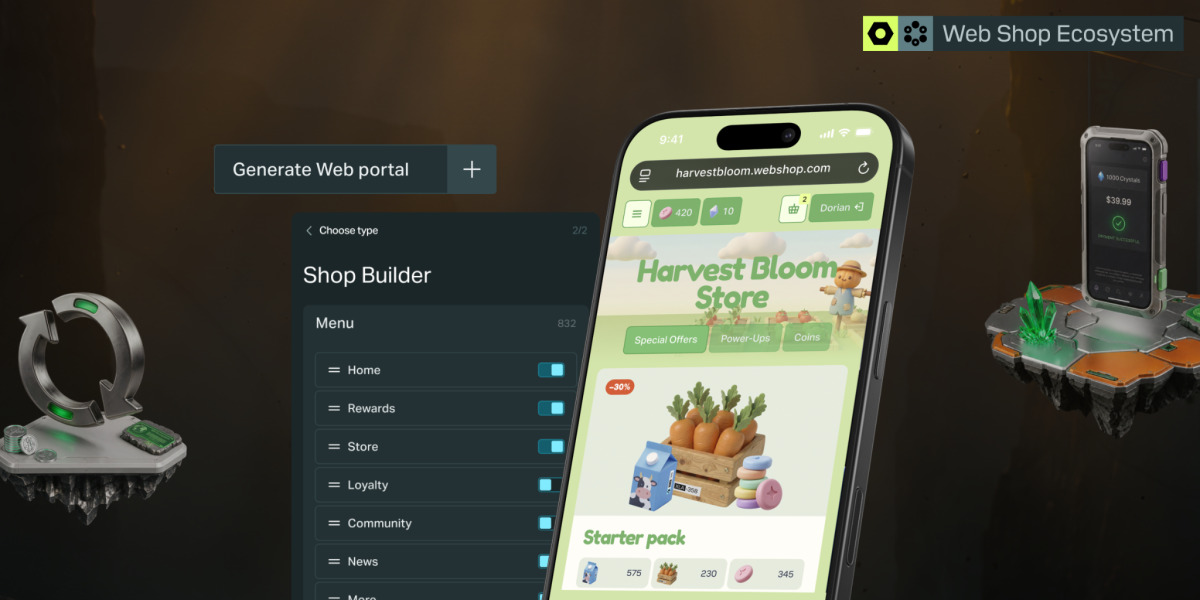
Mobile D2C Evolution The landscape of mobile Direct-to-Consumer commerce is shifting from isolated web shops to comprehensive ecosystems. Recent analysis suggests that the next stage of mobile D2C requires brands to build an ecosystem around the web shop rather than stopping at the storefront, focusing on deeper customer retention and engagement loops.
AI and Holograms in Physical Retail In-store innovation is accelerating with the introduction of AI-driven technologies. Farm-to-Store innovator Seed to Table has launched a new wave of retail tech featuring a "conversational golden shopping cart" and personalized brand experiences. These technologies aim to bring a new level of engagement to the grocery aisle by utilizing AI and holograms to interact with shoppers directly.
Analysis
The most significant conceptual shift this week is the redefinition of "Direct-to-Consumer" not just as a sales channel, but as an operating model. While earlier D2C strategies focused on cutting out intermediaries for direct sales, current trends indicate that D2C is becoming less about the channel itself and more about the holistic operating model. This includes digital-native brands expanding offline, the emergence of quick-commerce (Q-comm) as a new storefront, and a growing consumer base from non-metro areas.
This evolution is supported by the integration of advanced tech like AI and holograms in physical spaces, bridging the gap between online agility and offline tactile experiences. Brands that successfully integrate these technologies into a cohesive ecosystem—rather than treating them as standalone experiments—are likely to see higher engagement rates.
What to Watch
- Ecosystem Integration: Monitor how mobile-first brands begin integrating broader ecosystem tools beyond simple checkout functions, as suggested by recent industry analyses on the next stage of mobile D2C.
- Physical Tech Adoption: Keep an eye on the rollout of AI-powered in-store assistants, such as the conversational carts introduced by Seed to Table, to see if other major grocery or retail chains adopt similar holographic or interactive technologies.
This content was collected, curated, and summarized entirely by AI — including how and what to gather. It may contain inaccuracies. Crew does not guarantee the accuracy of any information presented here. Always verify facts on your own before acting on them. Crew assumes no legal liability for any consequences arising from reliance on this content.
Powered by
