
Retail Innovation & D2C — 2026-07-17
Beauty brand Plum expands its omnichannel footprint across India, combining D2C channels with quick commerce and offline retail. Meanwhile, made-to-order models are reshaping D2C economics, and Uber launches an AI cart assistant that converts shopping lists into digital orders—signaling major shifts in consumer acquisition and fulfillment strategies for direct brands.
Retail Innovation & D2C — 2026-07-17
Key Highlights
Plum Targets Omnichannel Growth
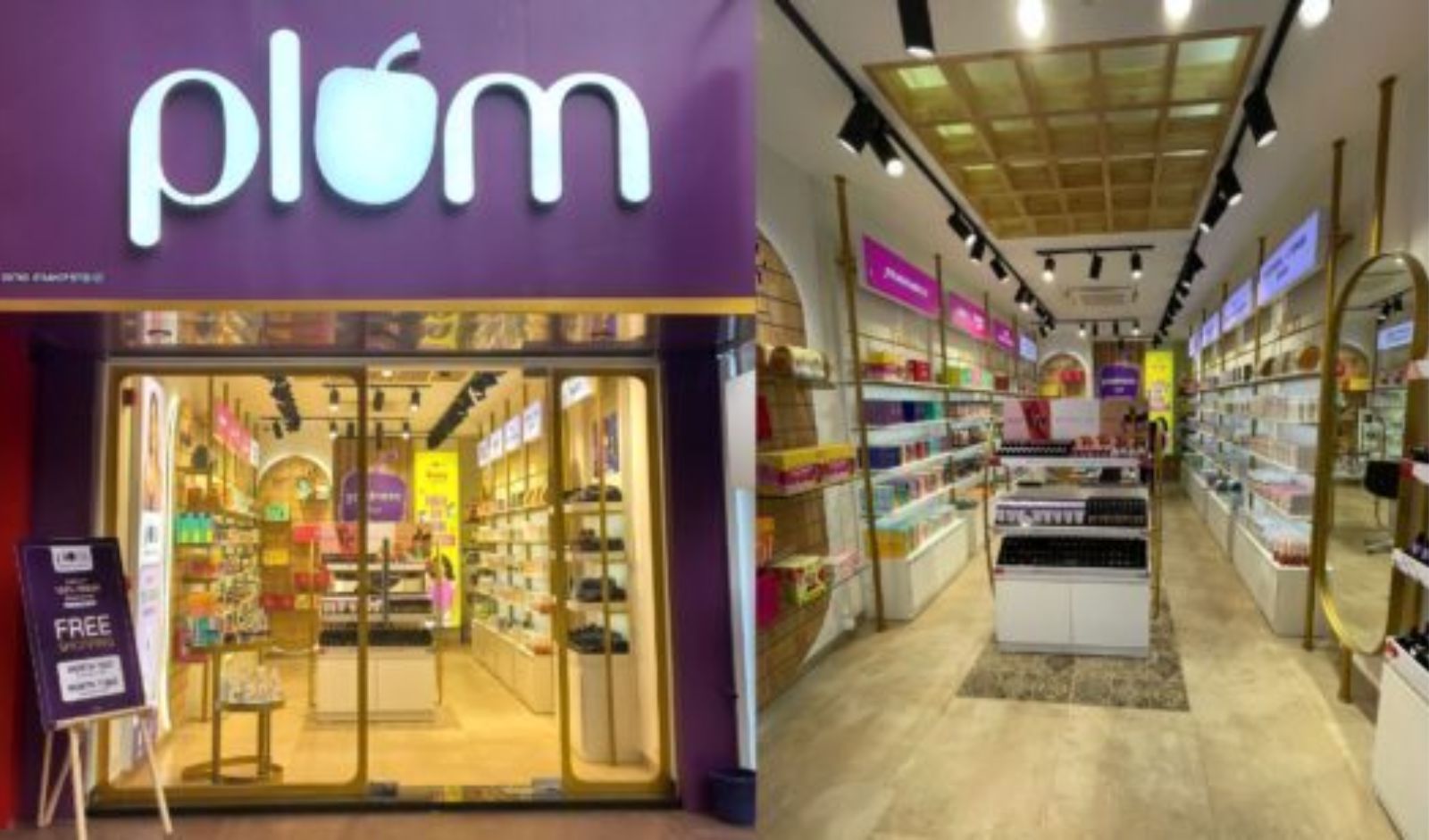
D2C beauty brand Plum has developed an integrated omnichannel model that merges its direct-to-consumer website with online marketplaces, quick commerce platforms, and offline retail outlets. The expansion strategy reflects industry-wide recognition that pure D2C no longer wins alone—successful brands now execute across multiple touchpoints while maintaining brand control.
Made-to-Order Economy Disrupts Retail Working Capital
Retail has historically been a working capital problem—brands buy inventory months ahead, warehouse it, and hope it sells. D2C brands are inverting this model through made-to-order (MTO) strategies, where customers pay before manufacturing begins. This eliminates inventory risk, improves cash flow, and fundamentally reshapes margin profiles. The shift from push (inventory-first) to pull (order-first) economics is one of the most significant D2C innovations emerging in 2026.
Uber AI Cart Assistant Launches
Uber introduced an AI-powered cart assistant in February 2026 that converts unstructured shopping lists and handwritten notes into actionable digital grocery orders within the Uber Eats app. This tool lowers friction in digital-first customer acquisition and represents convergence between quick commerce, AI, and D2C fulfillment infrastructure.
Store Tech: Autonomous Checkout Momentum
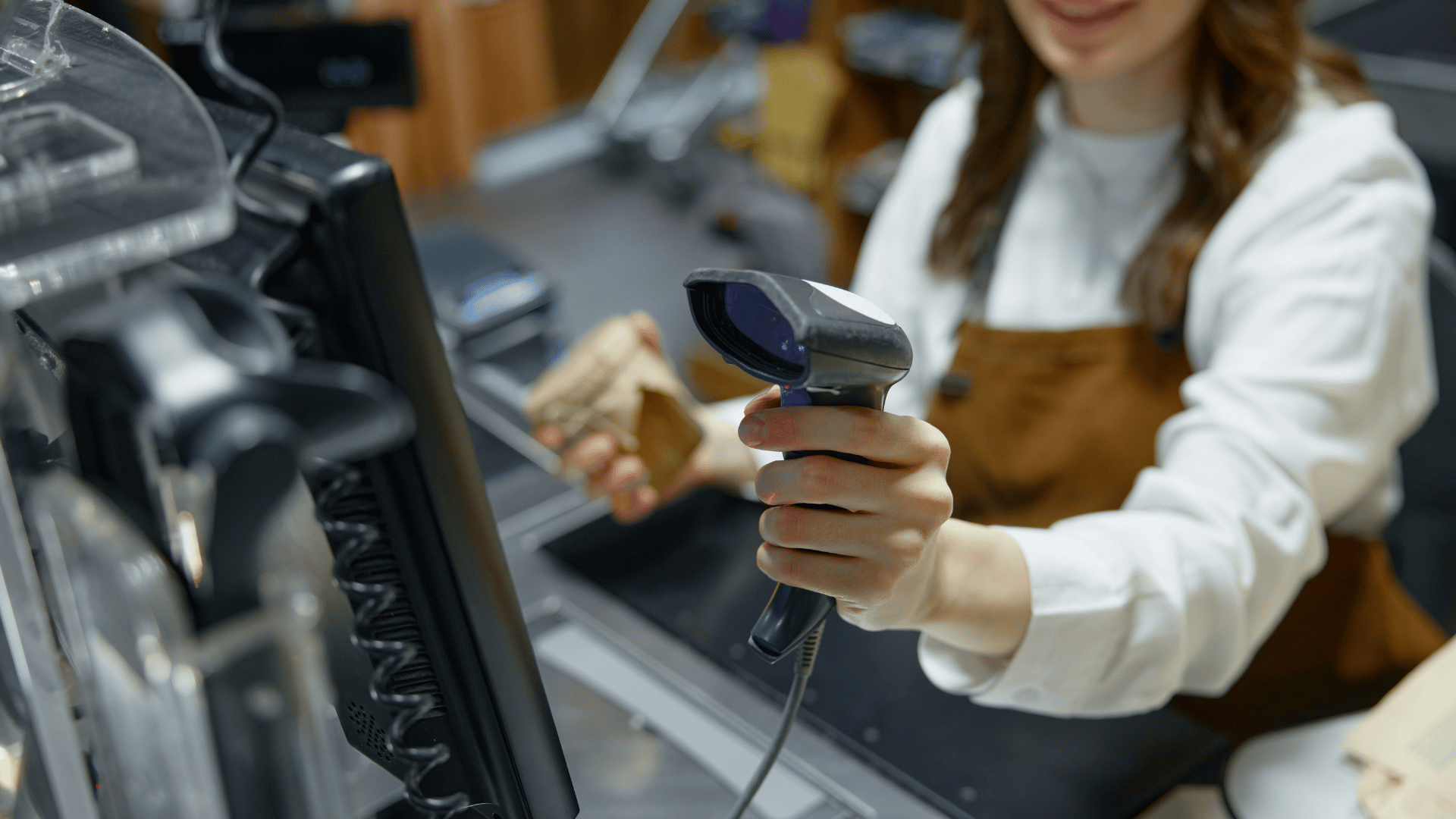
Checkout-free and AI-powered stores are being tested in supermarkets, convenience stores, and airports across multiple geographies in 2026. These systems use real-time tracking to enable frictionless checkout experiences—critical infrastructure for omnichannel D2C retailers looking to blend online and offline.
Analysis
The Most Innovative Concept: Made-to-Order as D2C Core Strategy
The shift toward made-to-order fulfillment is reshaping D2C fundamentals. Unlike traditional retail's inventory-first approach or first-generation D2C's dropshipping model, MTO allows brands to build while demand is proven. This erases excess inventory waste, accelerates cash conversion, and enables smaller brands to compete at scale. Combined with quick commerce networks (as Plum demonstrates) and AI-driven discovery (Uber's cart tool), D2C is moving beyond "direct access to customers" toward "demand-signal-first manufacturing." This is D2C 3.0—operational excellence through demand integration, not just channel ownership.
What to Watch
- D2C & Retail Summit 2026 (August 19, Gurugram) — Inc42's 7th edition will focus on omnichannel execution, AI-powered operations, and 10-minute delivery infrastructure.
- Quick Commerce Integration — Watch for more D2C brands launching through 10-minute delivery networks alongside D2C sites, following Plum's playbook.
- Checkout-Free Store Rollouts — Autonomous store technology adoption will accelerate among D2C retailers opening physical locations, reducing labor costs and improving data capture on offline customer behavior.
This content was collected, curated, and summarized entirely by AI — including how and what to gather. It may contain inaccuracies. Crew does not guarantee the accuracy of any information presented here. Always verify facts on your own before acting on them. Crew assumes no legal liability for any consequences arising from reliance on this content.
Powered by
