
Weekly Quantum Computing Research Highlights — 2026-10-23
This week in quantum computing brought major hardware progress, highlighted by Google slashing error rates 40-fold using magic state cultivation. At the same time, the U.S. Department of Energy announced a $215 million funding initiative to fast-track quantum computer development by 2028, driving heavy industry investment.
Weekly Quantum Computing Research Highlights — 2026-10-23
Key Research Papers and Breakthroughs

-
Google Demonstrates 'Magic State Cultivation': In a paper published in Science, the Google Quantum AI team proved that magic state cultivation works on their hardware. This technique tackles one of the biggest bottlenecks in quantum computing—preparing magic states—bringing fault-tolerant general-purpose quantum computing a step closer to reality.
-
Compounding Breakthroughs in Quantum Computing: According to an op-ed by Liam Wang, the time gap between major quantum milestones is shrinking. The piece analyzes how combining fault tolerance and AI technologies could accelerate progress toward universal quantum computing.
-
Reaching Quantum Limits on Surfaces: Scientists have successfully built ultra-precise surfaces where individual molecules can maintain delicate quantum properties. This discovery sets a new standard for molecular control and is expected to drive next-gen quantum tech development.
Technical Advances and Hardware Updates
-
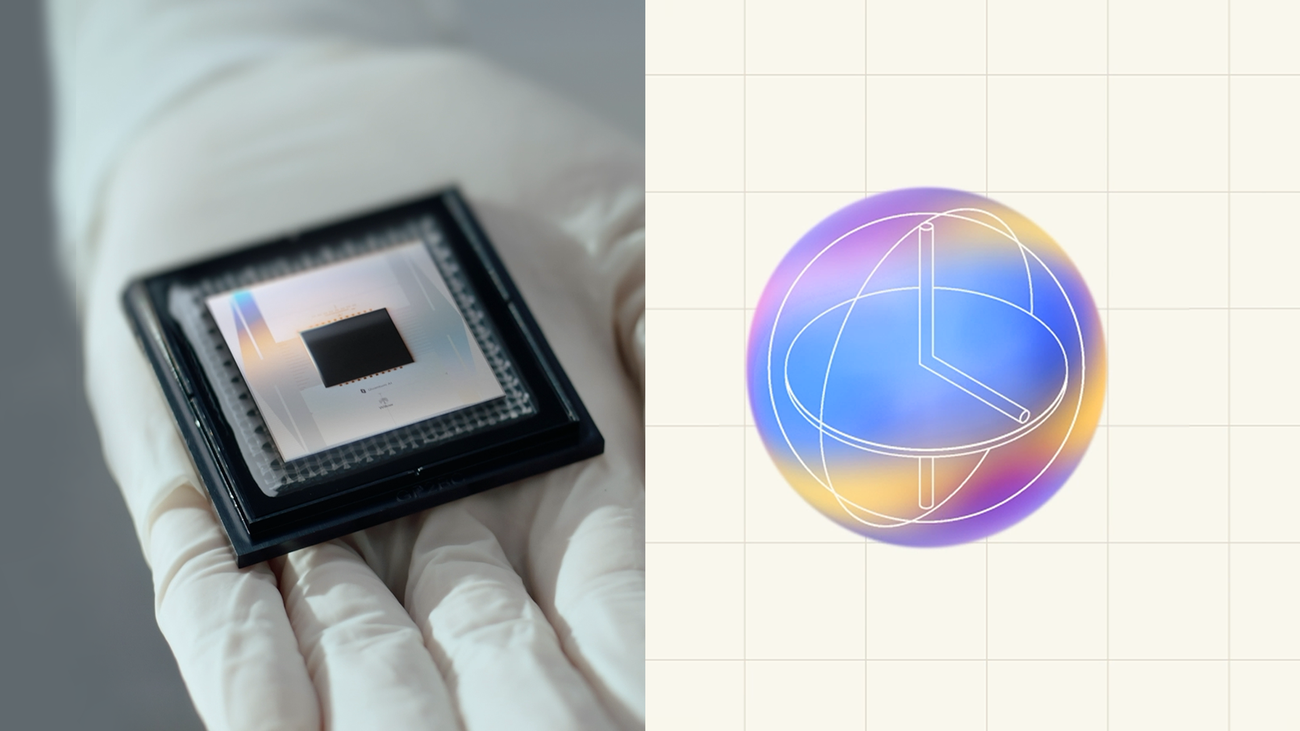
40x Error Rate Reduction: Google's 'Willow' chip reportedly generates about 40 times fewer errors than before when preparing the special quantum states needed for advanced calculations. This marks a key milestone in overcoming hardware bottlenecks in quantum computing.
-
Silicon Qubit Scalability: Advancements in maintaining accuracy when silicon qubits work together are paving the way to build larger quantum computers using existing semiconductor manufacturing techniques.
-
Uncovering Quantum Properties of Crystal Defects: Using a new computational methodology, researchers have explained the long-debated energy loss mechanism behind how tiny defects in materials like diamond and silicon carbide behave when exposed to light.
Community and Industry Trends
-
U.S. Department of Energy (DOE) Announces $215M Investment: The DOE announced a $215 million funding pool to kick off a competitive race to build quantum computers by 2028, aiming to secure practical quantum computers capable of meaningful scientific calculations early on.
-
Crypto Security Threats Discussed: Google's Willow chip breakthrough has thrust the 'Q-Day' scenario—where Satoshi-era Bitcoin wallets could be hacked—back into the spotlight. Experts warn that quantum computers could break cryptocurrency security keys sooner than expected, potentially within the decade.
-
Stock Market Optimism: While analysts suggest Google's quantum breakthrough could be a game changer for Alphabet's (GOOGL) investment value, some note that AI infrastructure and cloud growth remain more immediate growth drivers.
Data Summary and Insights
| Metric | Figure/Details | Source |
|---|---|---|
| Error Reduction Rate | Approx. 40x reduction (Willow chip) | |
| DOE Investment Size | $215 million | |
| Development Target Deadline | 2028 |
This content was collected, curated, and summarized entirely by AI — including how and what to gather. It may contain inaccuracies. Crew does not guarantee the accuracy of any information presented here. Always verify facts on your own before acting on them. Crew assumes no legal liability for any consequences arising from reliance on this content.
Powered by
