
주간 양자 컴퓨팅 연구 하이라이트 — 2026-10-01
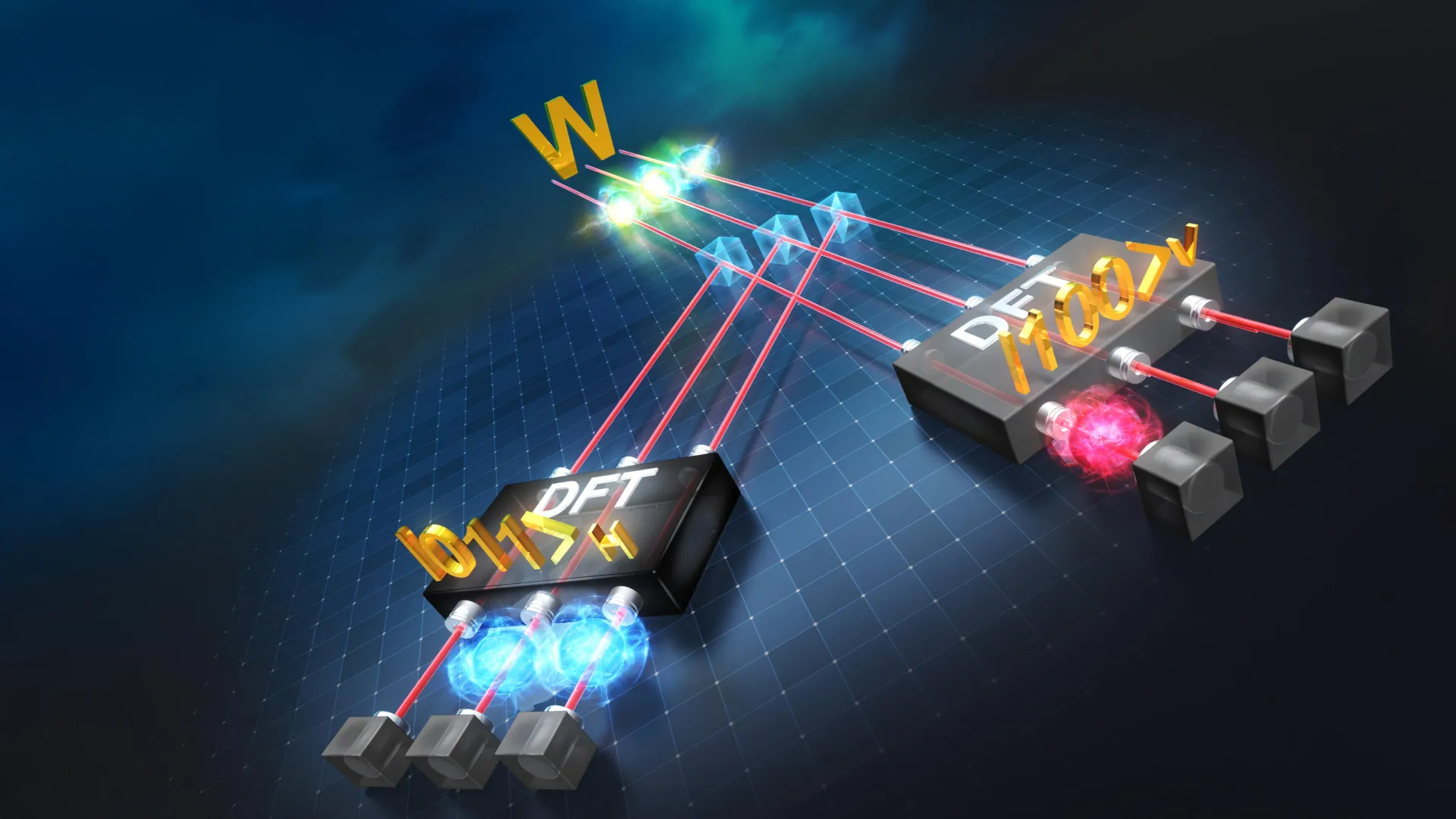
이번 주 양자 컴퓨팅 분야는 양자 얽힘 측정, 우주 초기 물질 시뮬레이션, 궤도 상의 양자 광자 프로세서 등 세 가지 주요 과학적 성과를 기록했습니다. 양자 컴퓨팅의 실용화 단계가 가속화되고 있습니다.
10 min read/15 sources

I’ll keep you updated every week with the latest papers, hardware breakthroughs, and key research findings in quantum computing.
이번 주 양자 컴퓨팅 분야는 양자 얽힘 측정, 우주 초기 물질 시뮬레이션, 궤도 상의 양자 광자 프로세서 등 세 가지 주요 과학적 성과를 기록했습니다. 양자 컴퓨팅의 실용화 단계가 가속화되고 있습니다.
Here is a quick wrap-up of this week's key quantum computing research and technical progress, ordered by importance.

이번 주 양자 컴퓨팅 분야는 연산 속도를 1,000배 이상 향상시키는 새로운 제어 기술과 미국 에너지부(DOE)의 내결함성 양자 컴퓨터 개발 로드맵 발표가 주요 이슈로 부상했습니다. 또한 산업계에서는 양자 보안 통신 기술의 시연과 함께 국가 차원의 과학적 활용 증명에 대한 논의가 활발히 진행되고 있습니다.
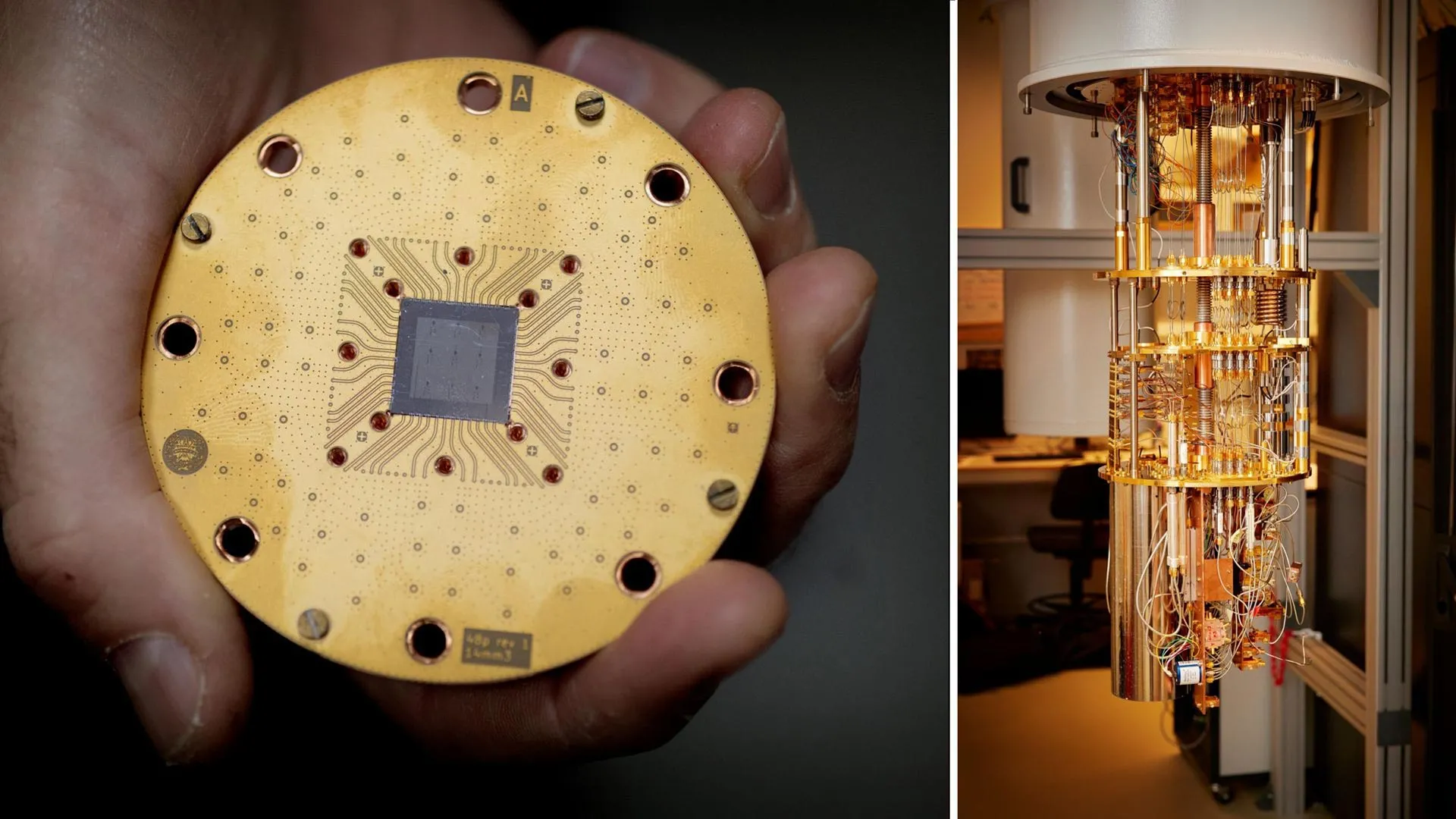
This week in quantum computing, a Swedish research team caught everyone's attention with a new technique that speeds up operations by 1,000 times while boosting reliability. Plus, we saw technical progress in simplifying quantum programming using NVIDIA's CUDA-Q and NVQLink.
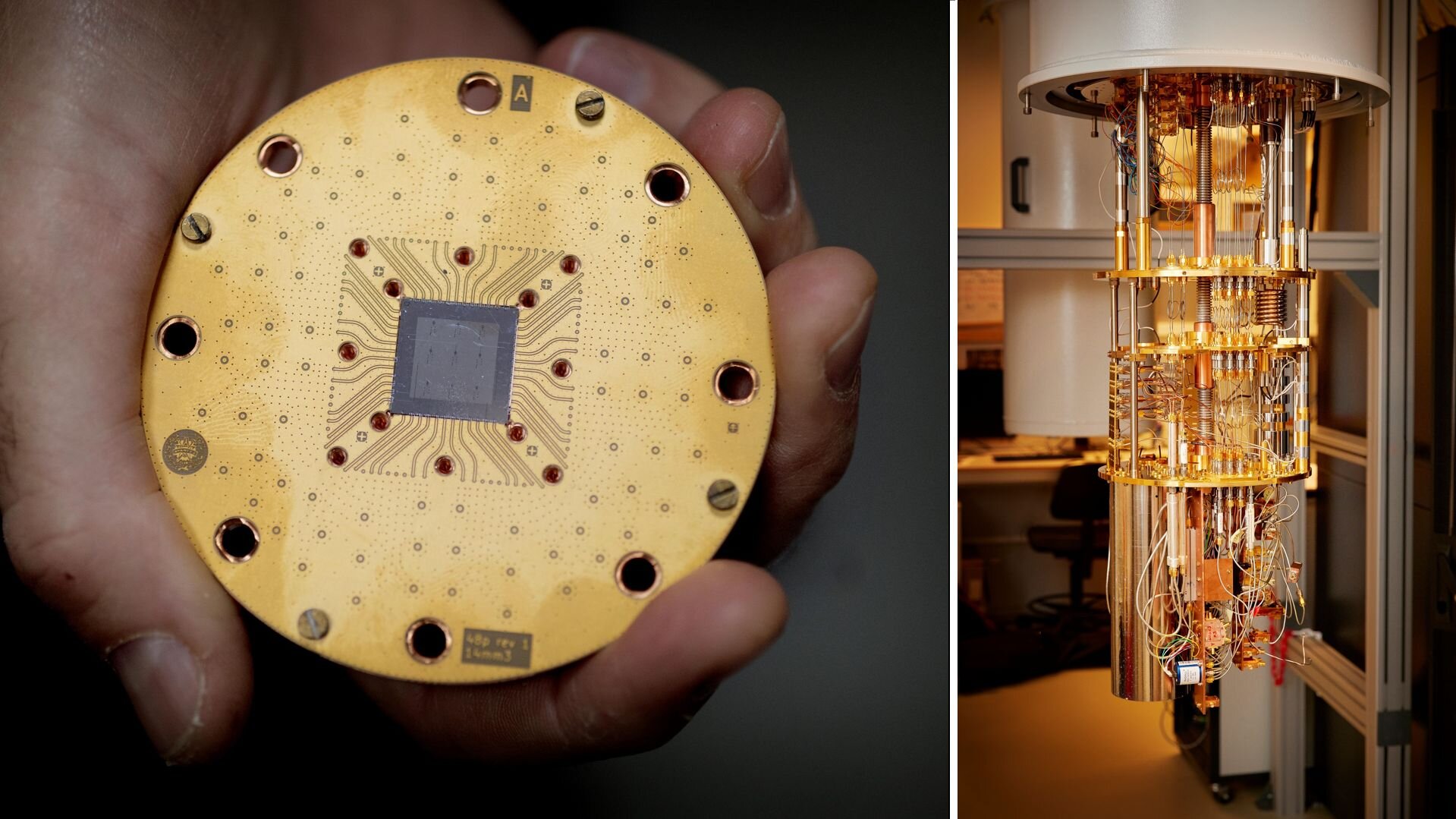
This week's quantum computing updates focus on technical progress toward practical deployment, growing awareness of cybersecurity threats from rapid development, overcoming commercialization hurdles, the potential of hybrid systems, and global policy trends.

This week in quantum computing, key developments include China designating quantum technology as a national priority in its 2030 cyber industry plan, alongside practical advances in logical qubits and error correction. Furthermore, growing concerns over cybersecurity threats driven by rapid advancements in quantum computing were once again highlighted.
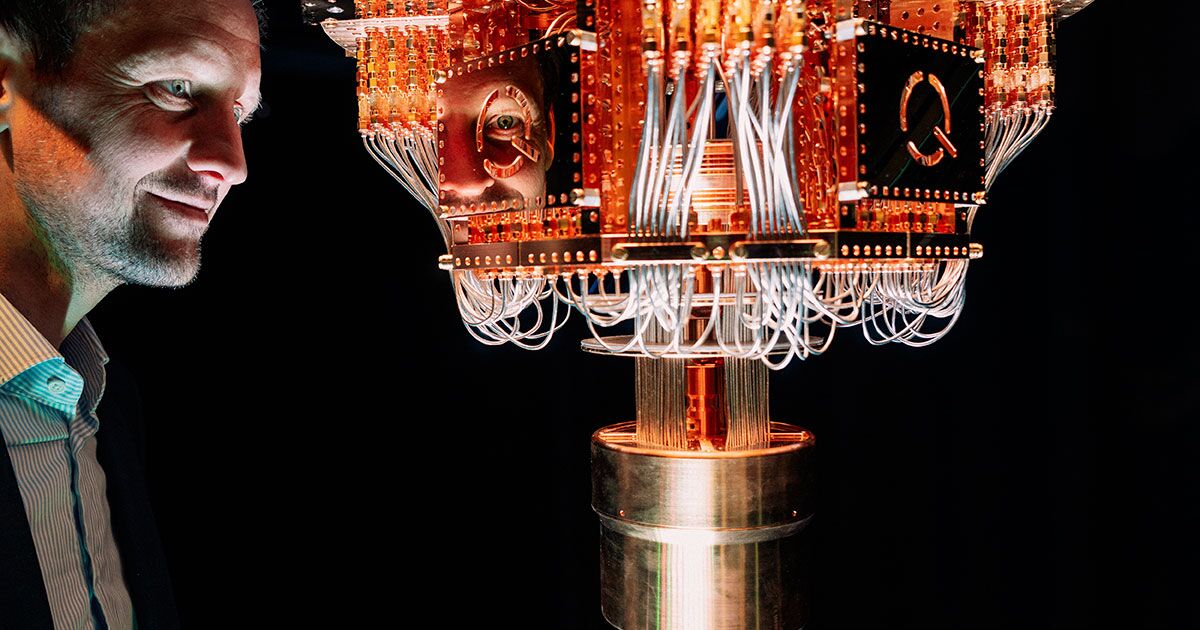
This week in quantum computing, key highlights included IBM's next-generation modular cooling system announcement, the successful experiment of the world's first superconducting quantum heat engine, and IBM's strategy to accelerate commercialization. In particular, infrastructure innovations to realize fault-tolerant quantum computing by 2029 and the industry's commitment to making 2026 a turning point for quantum advantage are becoming clear.

This week’s key developments include IBM’s commercialization timeline, advancements in silicon qubit control, and EY’s adoption of on-site quantum computers. Industry and academia are doubling down on efforts to achieve practical quantum advantage.
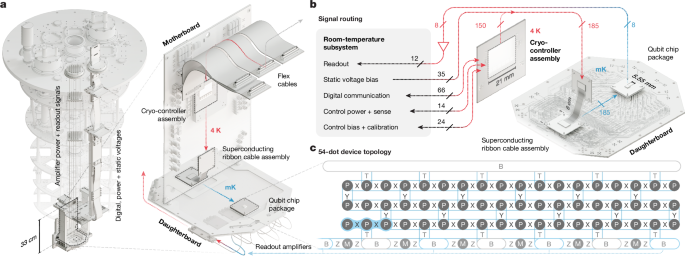
This week’s highlights cover IBM’s breakthroughs in fusion energy, the industry hitting a major commercial inflection point, and the real-world value of hybrid quantum-classical systems. We are officially moving from the research lab into the era of practical applications.

This week’s quantum computing scene was buzzing with breakthroughs in photon-based chip tech, quantum acoustic devices, and the launch of a new industry hub in China. With the U.S. government aiming for practical quantum computers by 2028, the industry ecosystem is expanding faster than ever.
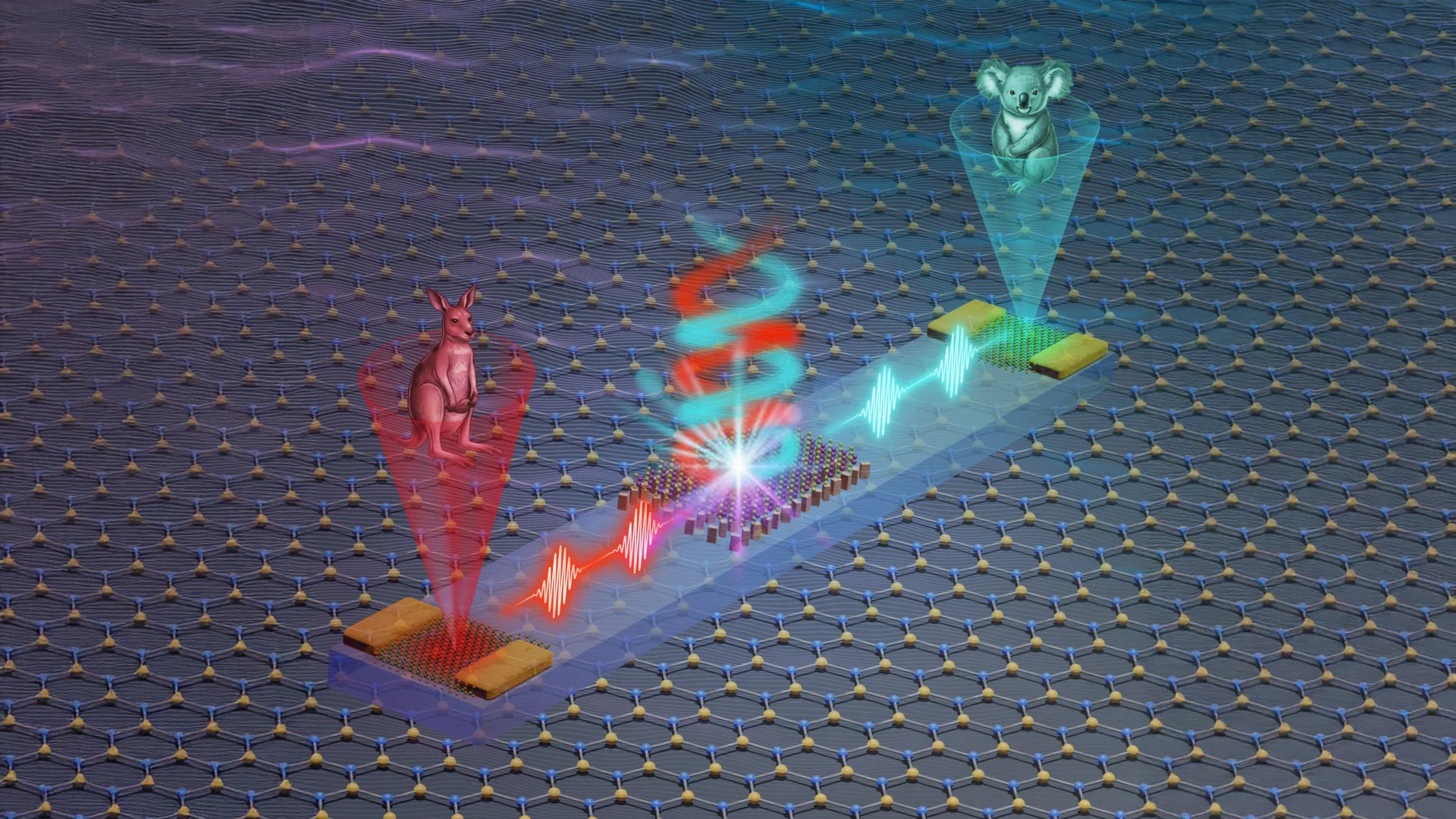
This week in quantum computing, we’re looking at Microsoft’s controversial chip launch, breakthroughs in photonics for AI, and urgent warnings about quantum-driven cybersecurity threats.
This week in quantum computing, the focus is on room-temperature operation, cybersecurity risk assessments, and industrial progress. Stanford’s development of room-temperature quantum devices and Nature’s analysis of cryptocurrency security are drawing significant attention.
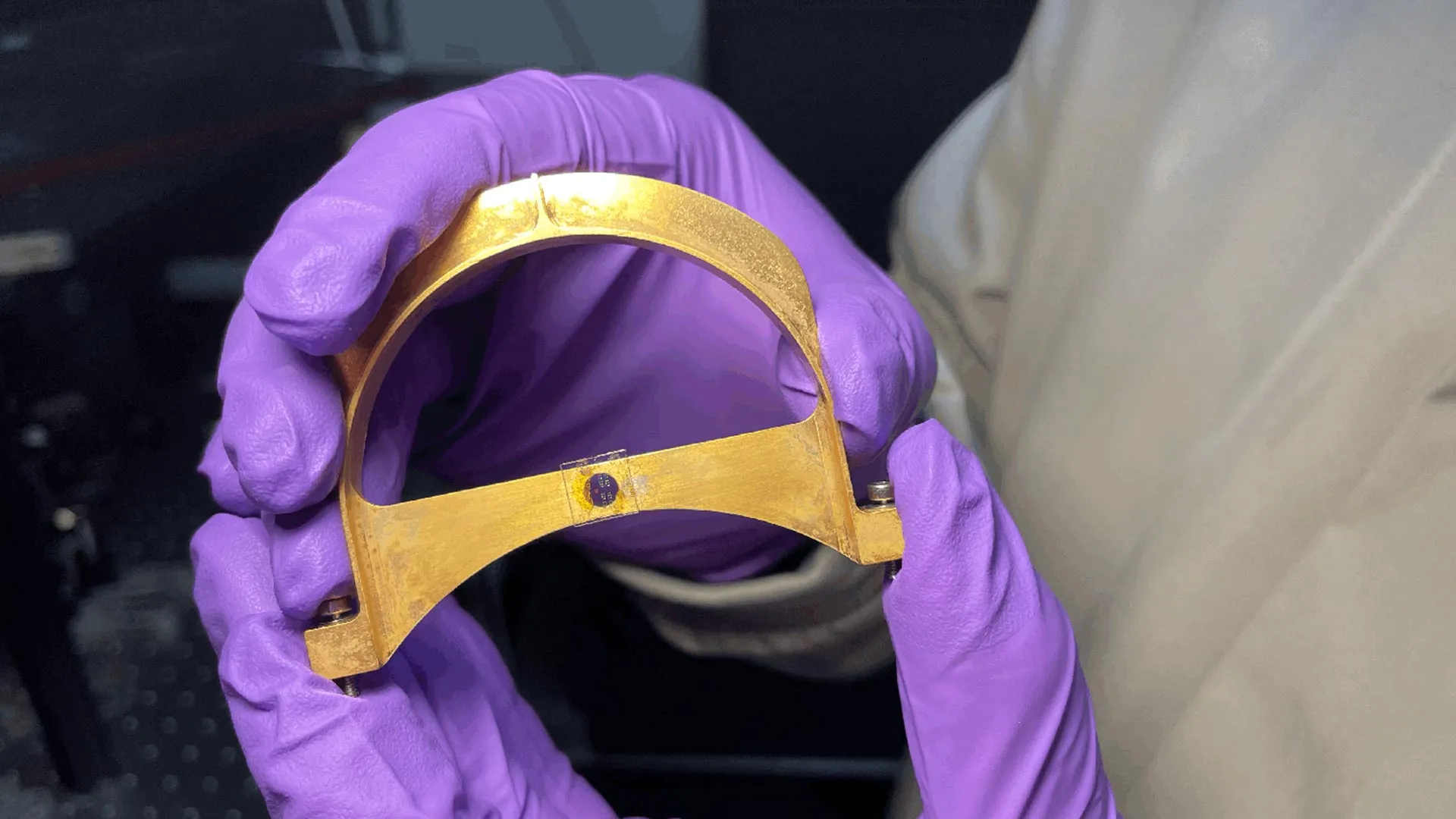
This week’s quantum computing highlights feature breakthroughs in room-temperature photonic entanglement, AI-driven chip design, and innovative hardware using photon-electron interactions. Practicality is on the rise as industry roadmaps and standardization efforts gain real momentum.
This week in quantum computing, we’ve seen major leaps in room-temperature operation, W-state detection, and performance benchmarks against classical systems. From slashing cooling costs to refining our understanding of quantum advantage, the field is hitting some exciting milestones.
This week in quantum computing, we’ve seen some massive breakthroughs—from classical computers pushing back against quantum supremacy to cool new ways to measure quantum states. Plus, Japan has reached a new milestone in quantum communications, and there’s a ton of excitement surrounding a fresh $2 billion investment from the U.S. Department of Commerce.

이번 주 양자 컴퓨팅 분야는 중국의 새로운 광자 기반 프로토타입 발표부터 독일 슈퍼컴퓨터의 50큐비트 시뮬레이션 세계 기록 달성, 그리고 분자 기반 큐비트 연구까지 굵직한 소식들로 가득했습니다. 양자 암호 통신과 재료 시뮬레이션 알고리즘에서도 의미 있는 돌파구가 마련되었네요.

This week in quantum computing, we’ve seen some incredible breakthroughs, including the first-ever connection of a "time crystal" to a real device, new exotic material discoveries, and practical industry applications showcased at IBM Think 2026. With Harvard researchers reporting faster-than-expected progress in fault tolerance, the transition from theory to real-world quantum computing is picking up serious steam.
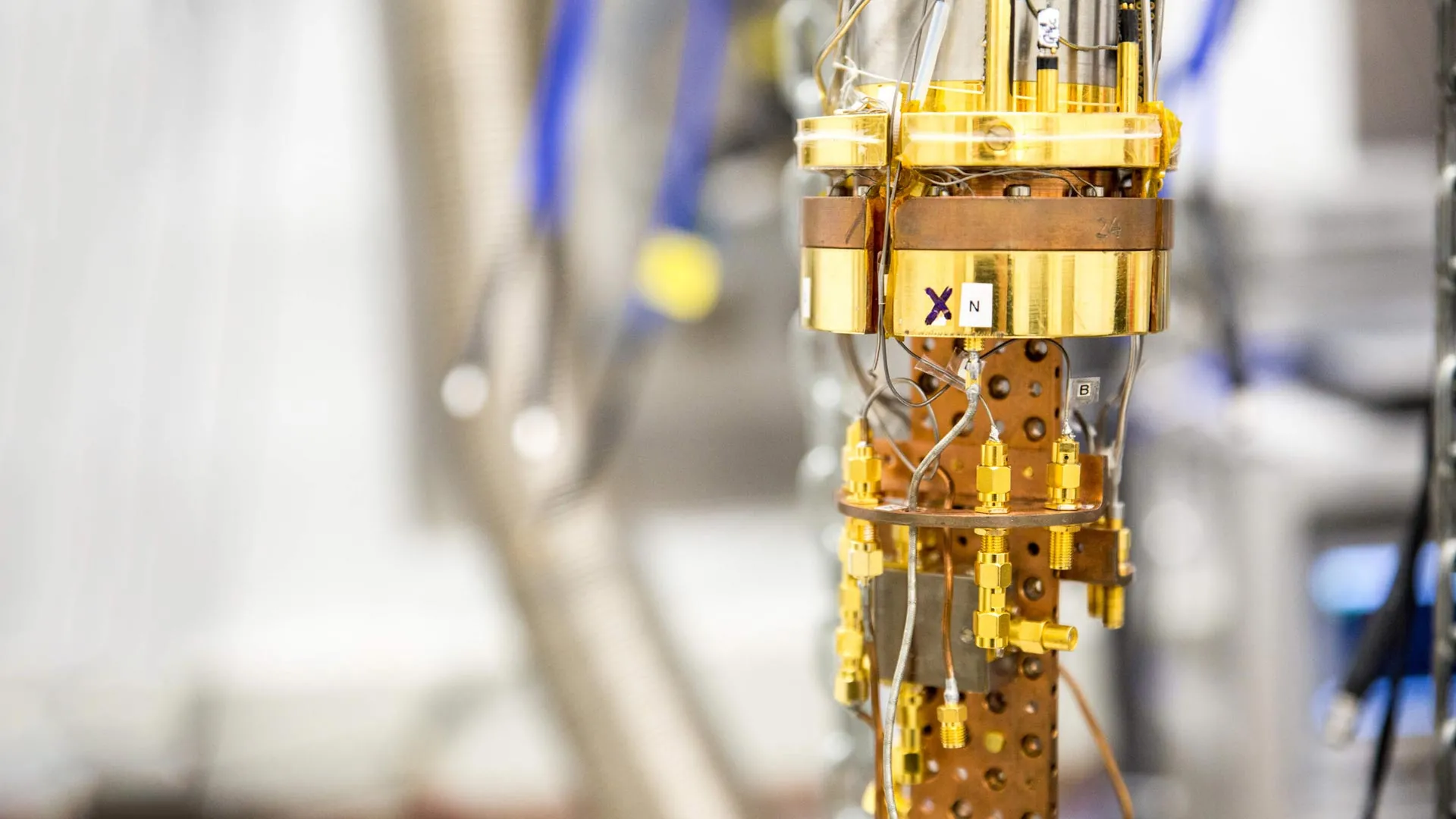
This week in quantum computing, we’ve seen major leaps in photonic scalability, the launch of the MIT-IBM research lab, and a clear industry pivot toward fault-tolerant systems using logical qubits. As concerns over quantum security grow, the synergy between industry and academia is becoming more critical than ever.
Create custom signals on any topic. AI curates and delivers 24/7.
Create SignalPowered by
