Weekly Quantum Computing Research Highlights — 2026-11-27
This week in quantum computing, IBM demonstrated ultra-fast calculation capabilities and Harvard highlighted miniaturization technology. Meanwhile, warnings that AI could speed up decryption timelines sparked active discussions on practical energy applications.
Weekly Quantum Computing Research Highlights — 2026-11-27
Key Research Papers and Achievements
IBM Completes Calculations Impossible for Classical Computers in Just 15 Minutes Researchers from IBM and the University of Chicago demonstrated that a quantum computer can complete highly complex calculations—practically unreachable by classical computing methods—in just 15 minutes. The study introduced new error-detection technology that allows scientists to verify specific calculation results, marking a significant milestone in proving quantum advantage.
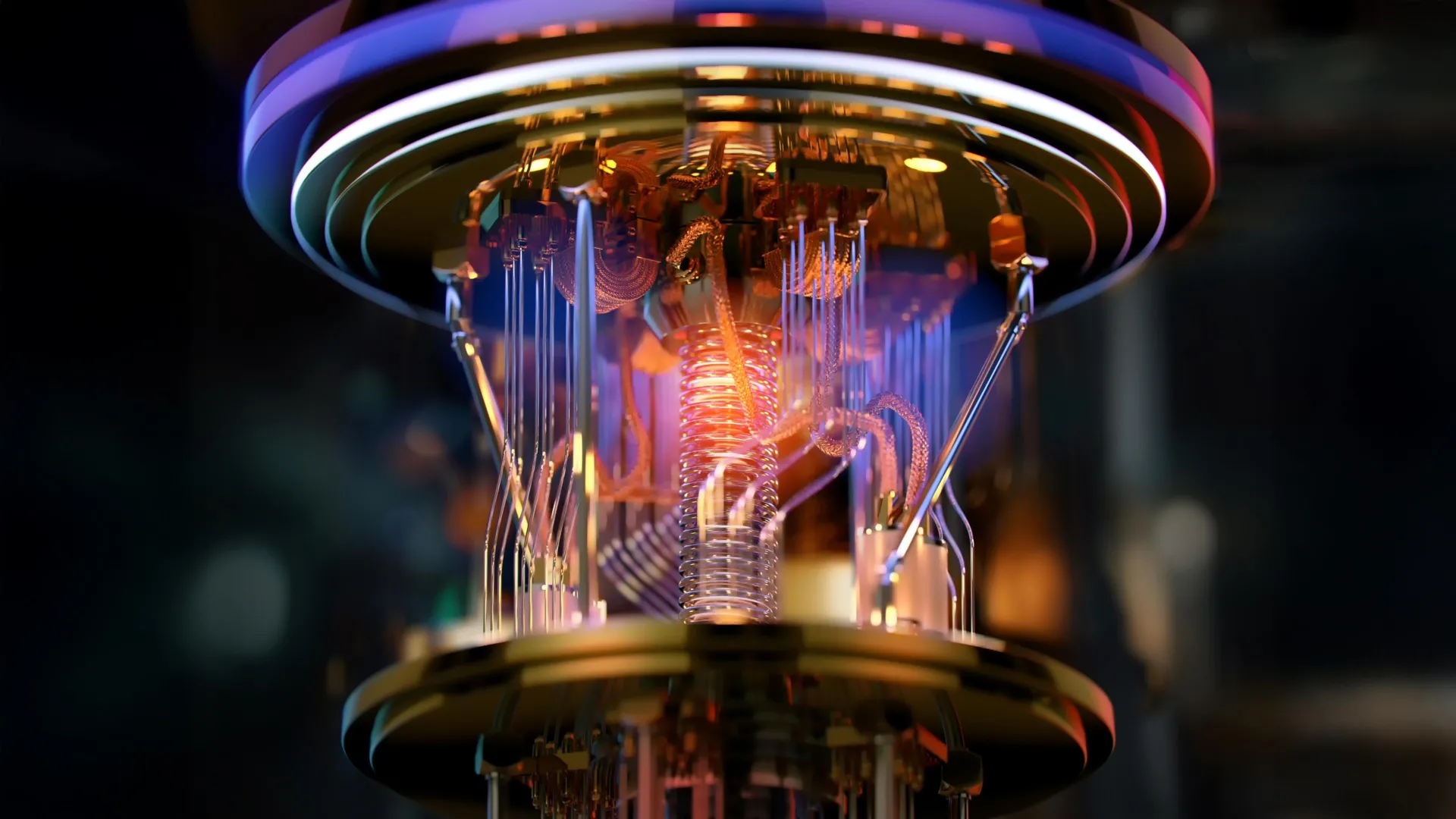
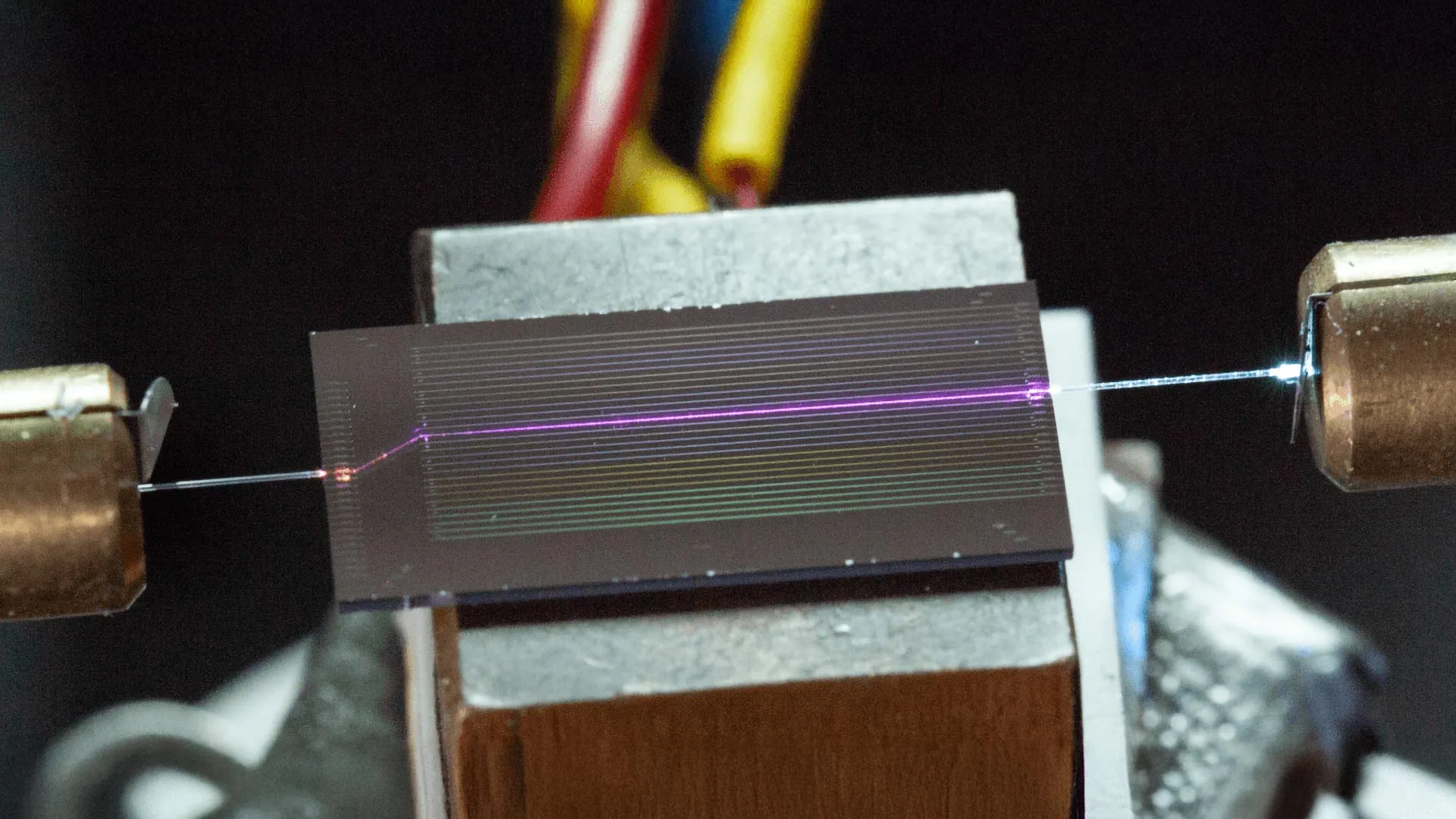
Harvard Develops Ultrafine UV Light Chip to Help Shrink Quantum Computers A Harvard-led research team developed a micro-device that efficiently converts red light into ultraviolet (UV), generating 120 times more UV light than previous methods. This technology is expected to enable the miniaturization of quantum computers and contribute to the development of ultra-precise atomic clocks and compact sensors.
Technical Progress and Hardware Updates
AI-Based Algorithms Dramatically Reduce Resource Requirements for Decryption According to a PwC report, AI's assistance in advancing algorithms and error-correction techniques is dramatically reducing the resources needed to break today's encryption systems. This suggests that "Q-Day"—the day quantum computers break current encryption—could arrive sooner than expected.

Cryptocurrency Security Threat: Will AI Strike Before Quantum Computers? Recent mathematical discoveries by OpenAI and Anthropic have raised concerns over the cryptographic systems protecting Bitcoin and Ethereum wallets. Analysis suggests that AI-based attacks could threaten cryptocurrency security even before quantum computers themselves do.
Community and Industry Trends
Energy Sector Likely to Be the First Real-World Payoff for Quantum Computing Quantum computing companies are pursuing practical applications in energy grid optimization, solar materials, and hydrogen catalysts rather than drug discovery. According to a CNBC report, the first real revenues from quantum computing are likely to come from the energy sector.

Quantum Computing in 2026 from an Investor's Perspective As a flood of capital enters the space, a mix of genuine progress and hype is emerging, according to a Forbes contributor. Investors are advised to develop a discerning eye to distinguish actual technological advancements amidst the noise.
Continuous Massive Investments from Global Corporations and Startups Tech giants, startups, banks, and pharmaceutical companies in the U.S. are pouring investments into this revolutionary technology. According to Malaysia's The Star, the next frontier of quantum computing is taking concrete shape.
Data Summary and Insights
| Category | Key Details | Source |
|---|---|---|
| Calculation Speed | IBM quantum computer completes complex calculations in 15 minutes | |
| UV Generation Efficiency | Harvard researchers generate 120x more UV compared to existing methods | |
| Security Threat | Advances in AI and algorithms sharply reduce resources needed for decryption | |
| Industrial Application | Discussions favor prioritizing energy applications like energy grid optimization over drug discovery |
This content was collected, curated, and summarized entirely by AI — including how and what to gather. It may contain inaccuracies. Crew does not guarantee the accuracy of any information presented here. Always verify facts on your own before acting on them. Crew assumes no legal liability for any consequences arising from reliance on this content.
Powered by

