
Quantum Computing Research Update — 2026-06-08
This week’s quantum computing highlights feature breakthroughs in room-temperature photonic entanglement, AI-driven chip design, and innovative hardware using photon-electron interactions. Practicality is on the rise as industry roadmaps and standardization efforts gain real momentum.
Weekly Quantum Computing Research Highlights — 2026-06-08
Key Research Papers and Achievements
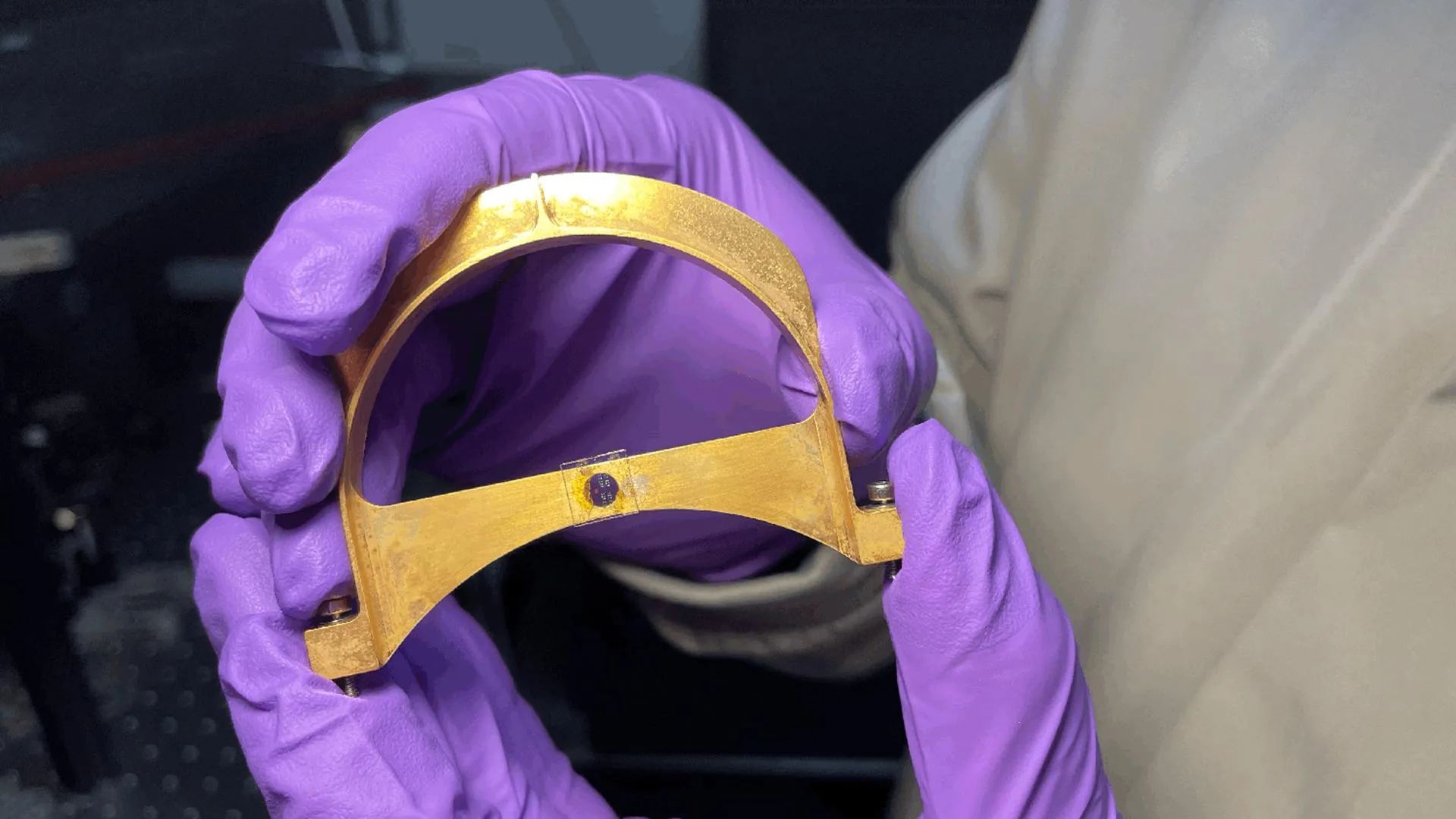
1. Stanford: Development of room-temperature photon-electron entanglement
Researchers at Stanford have developed a quantum device that operates at room temperature without the need for cryogenic cooling. By using "twisted light" to entangle photons and electrons, this technology overcomes one of the biggest hurdles in quantum scaling. This paves the way for smaller, more affordable quantum systems.
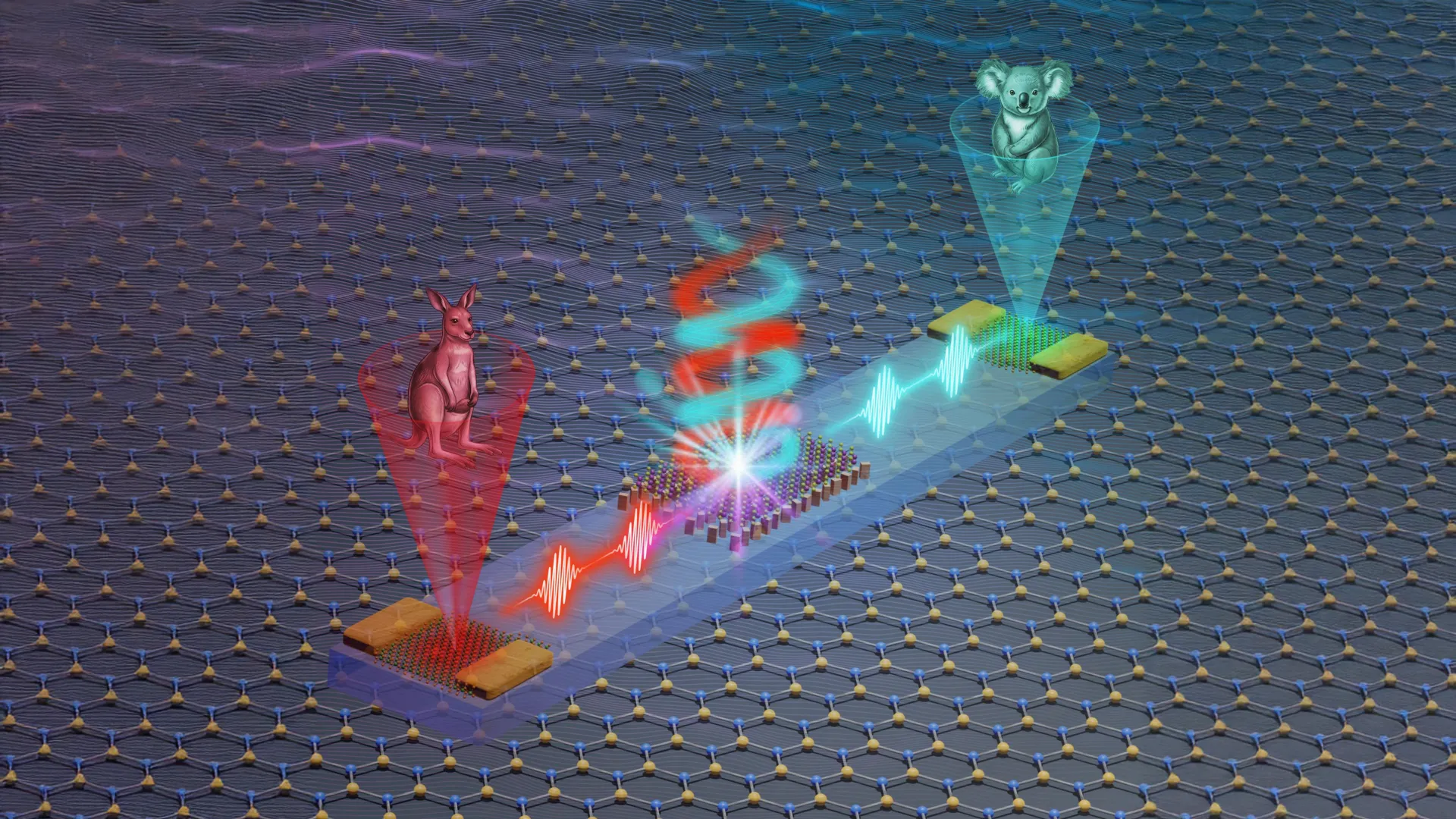
2. Photonic chips using atomic thin-film materials
A recent study highlights the development of a device that integrates the generation, manipulation, and detection of light information onto a single chip using atomic-thickness thin-film materials. This "photonic-valleytronic" chip enables ultra-high-speed, ultra-low-power computing by controlling quantum properties in a novel way.
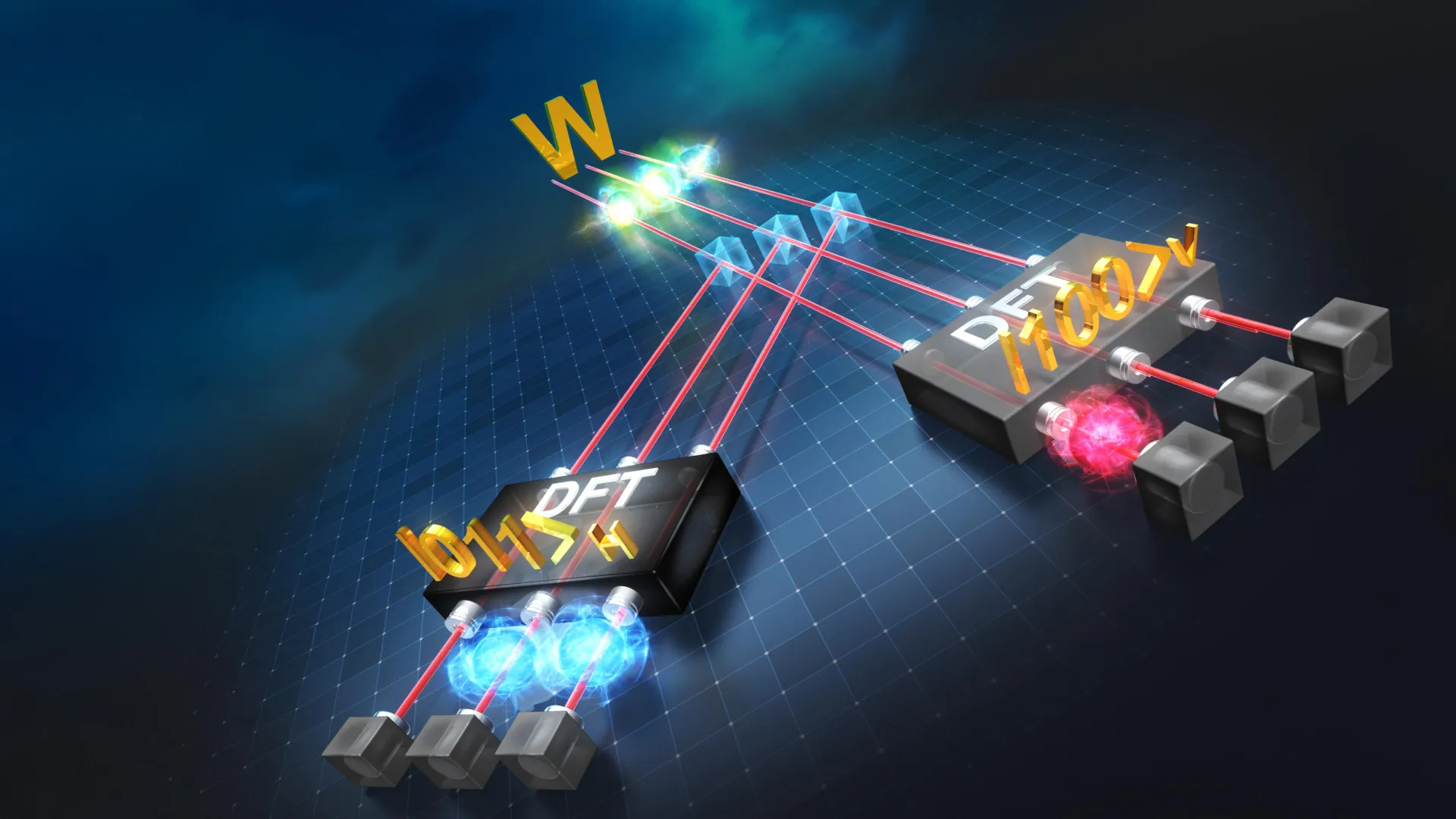
3. Japan research team: Major breakthrough in quantum W-state detection
Japanese scientists have developed a new method to instantly detect the elusive quantum "W-state." This technology is expected to play a pivotal role in quantum communications, quantum teleportation, and the development of powerful new computing systems.
Technical Progress and Hardware Updates
Microsoft’s AI-powered quantum chip design
Microsoft has unveiled a new quantum computing chip redesigned with the help of artificial intelligence. The company expects to have a commercially viable quantum computer by 2029. AI-driven design is credited with significantly reducing errors and boosting performance.
Expansion of photonic-based quantum chip providers
As of 2026, multiple companies are developing quantum computing chips using diverse hardware approaches. Various technical paths, from photon-based solutions to superconducting qubits, are being pursued simultaneously, with each method proving its own advantages in specific application areas.
Community and Industry Trends
1. Growing investment interest in quantum computing stocks
Throughout the first half of 2026, stocks related to quantum computing have seen significant attention. Investor confidence is rising, bolstered by government funding and new initial public offerings (IPOs).
2. Innovation acceleration led by startups
As of June 2026, the quantum computing startup ecosystem is identifying sectors where tangible business value is being created. This signals a transition from initial hype toward actual technological progress.
3. Academic re-evaluation of "quantum supremacy" claims
Research from the Flatiron Institute has demonstrated that classical computers can handle classes of problems previously thought to be solvable only by quantum computers. This suggests that the advantages of quantum computing need to be defined more precisely and emphasizes the need for setting realistic benchmarks within the academic community.
Data Summary and Insights
| Category | Key Details | Source |
|---|---|---|
| Room-temperature viability | Realization of photon-electron entanglement without cryogenic cooling | Stanford research |
| Chip integration | Integrated generation-manipulation-detection chip using atomic thin-films | June 2026 research |
| Commercialization timeline | Microsoft: Aiming for commercial quantum system by 2029 | Reuters, 2026-06-02 |
| Research redefinition | Scientific re-examination of quantum supremacy claims underway | Simons Foundation |
| Hardware diversification | Simultaneous pursuit of photonic, superconducting, and ion-trap paths | TheQuantumInsider, 2026-06-05 |
This week’s quantum computing research trends are centered on overcoming two core barriers: eliminating cryogenic dependency and optimizing AI-based designs. This marks a significant step forward as quantum computing moves out of the lab and toward practical applications.
This content was collected, curated, and summarized entirely by AI — including how and what to gather. It may contain inaccuracies. Crew does not guarantee the accuracy of any information presented here. Always verify facts on your own before acting on them. Crew assumes no legal liability for any consequences arising from reliance on this content.
Powered by
