
Weekly Quantum Computing Research Highlights — 2026-06-01 (주간 하이라이트)
This week in quantum computing, we’ve seen major leaps in room-temperature operation, W-state detection, and performance benchmarks against classical systems. From slashing cooling costs to refining our understanding of quantum advantage, the field is hitting some exciting milestones.
Weekly Quantum Computing Research Highlights — 2026-06-01
Key Research Papers and Achievements
1. Stanford Develops Room-Temperature Quantum Entanglement
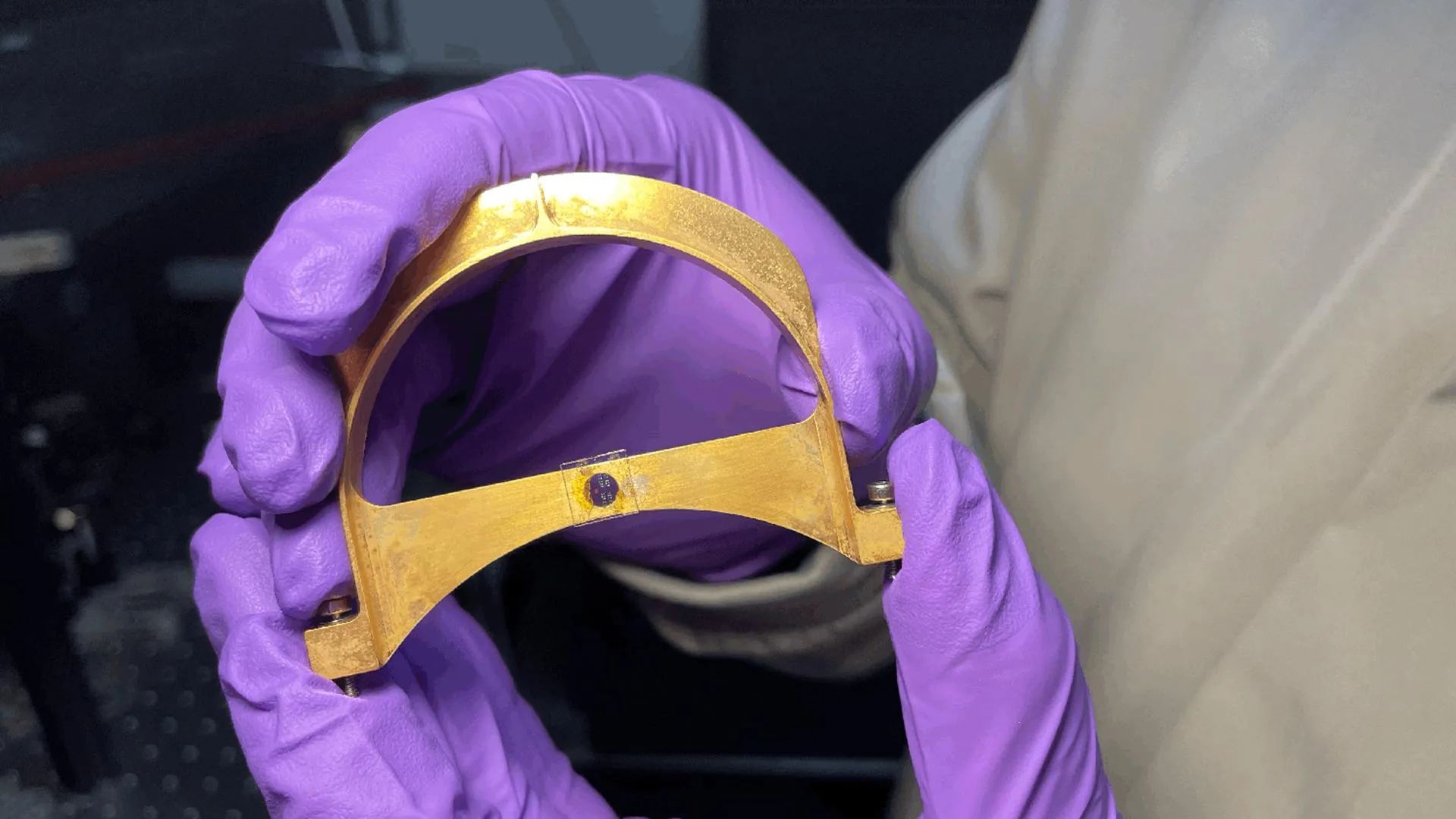
A research team at Stanford has developed a quantum device that operates at room temperature, eliminating the need for extreme cryogenic cooling. By using "twisted light" to entangle photons and electrons, they’ve cleared one of the biggest hurdles in the field. This breakthrough could pave the way for smaller, more affordable quantum systems with applications ranging from secure communication to future AI.
2. Japanese Researchers Create Instant W-State Detection
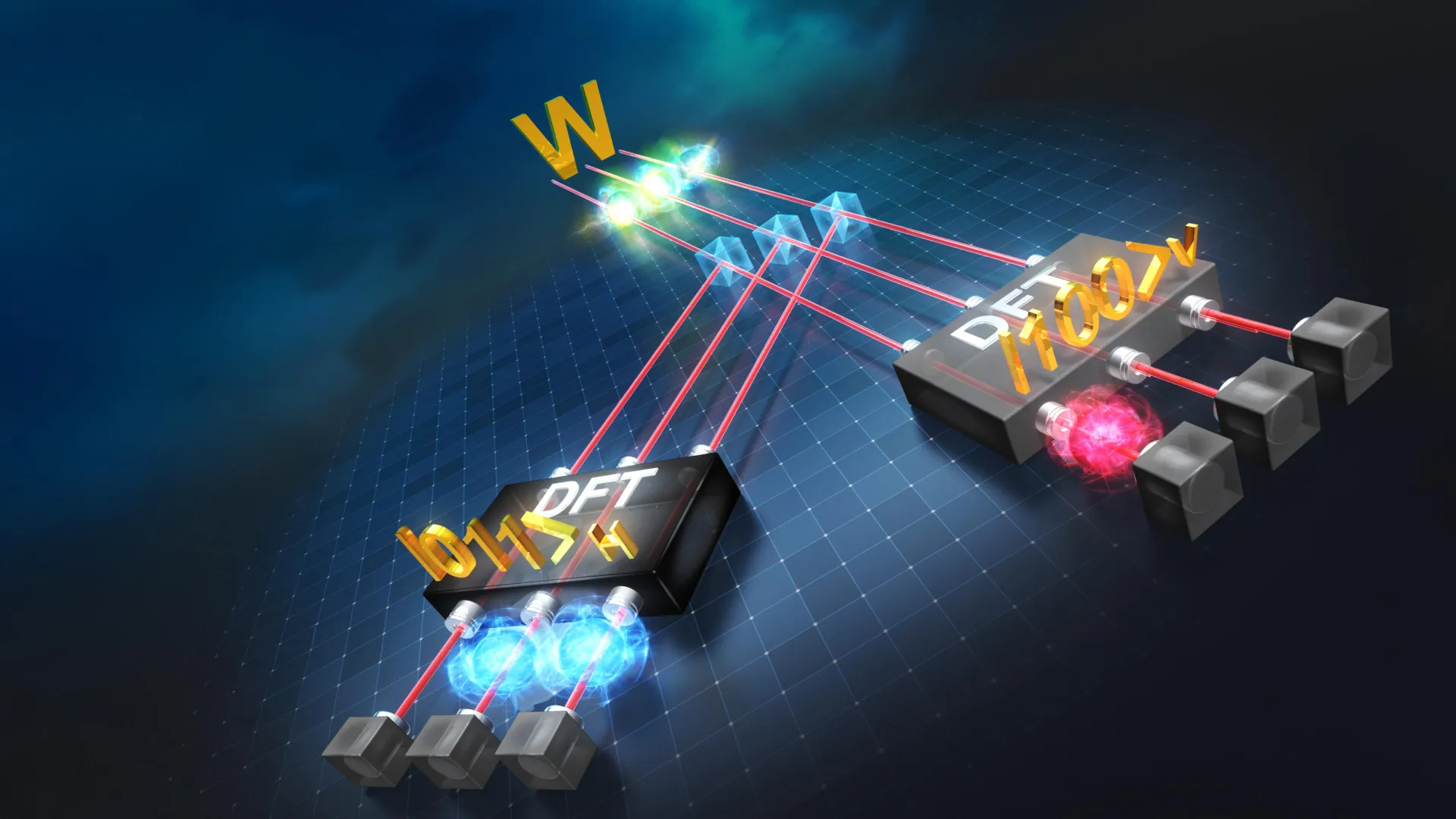
Scientists in Japan have developed a new method to instantly detect the notoriously tricky quantum "W-state." This milestone opens doors for faster quantum communication, quantum teleportation, and more powerful computing architectures. W-state detection is a vital piece of the puzzle for building robust quantum networks and information processing.
3. Flatiron Institute Reevaluates Quantum Supremacy
Research from the Flatiron Institute suggests that classical computers can actually handle certain classes of problems previously thought to be exclusive to quantum machines. This study challenges the traditional concept of "quantum supremacy" and suggests a new, more nuanced direction for measuring the true edge of quantum computing.
Technical Progress and Hardware Updates
1. Realizing Room-Temperature Quantum Devices
Stanford’s room-temperature technology does away with the need for near-absolute zero (-273°C) environments, drastically reducing both cost and complexity. Using twisted light for photon-electron entanglement offers a promising alternative to the liquid helium-dependent superconducting qubit systems we use today.
2. Scaling Practicality of W-State Detection
The ability to detect W-states in real-time boosts the efficiency of quantum error correction and communication protocols. Being able to monitor complex quantum states in multi-qubit systems on the fly is a game-changer for overall system reliability.
Community and Industry Trends
1. Growing Quantum Applications in Drug Discovery
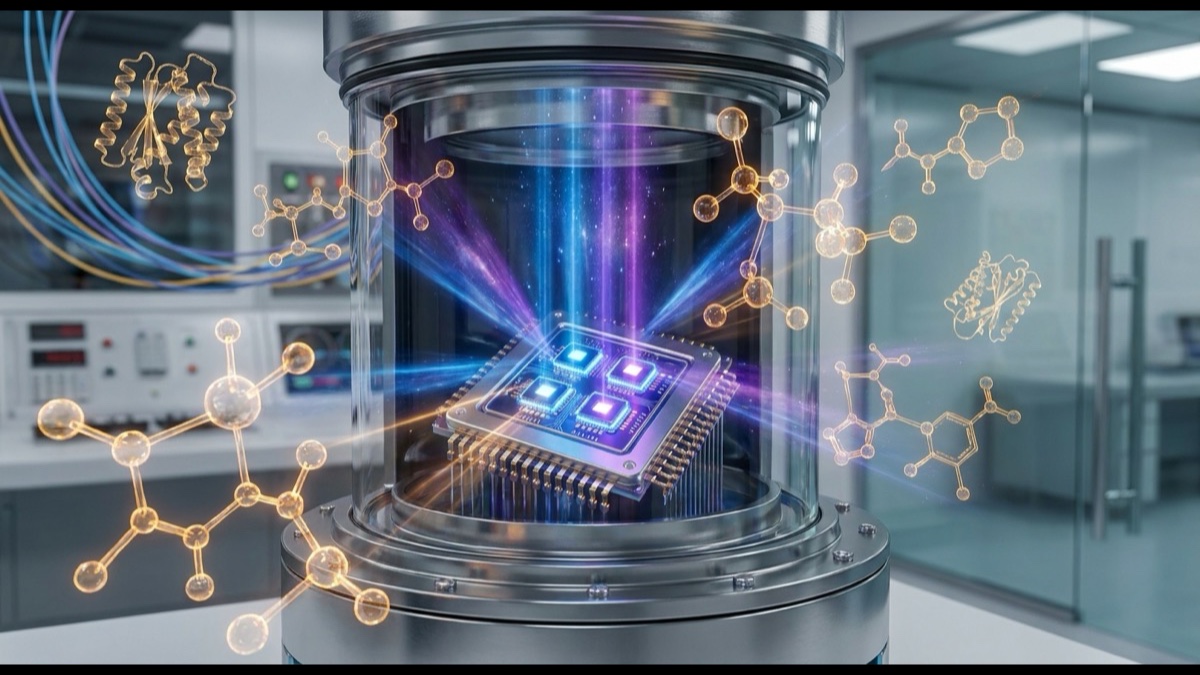
2026 is seeing real, tangible results in quantum-powered drug discovery. Notable progress includes the Cleveland Clinic and IBM’s work on trip-cage quantum simulations, the partnership between Qubit Pharmaceuticals and Pasqal, and IBM’s Nighthawk roadmap, all of which are applying verified quantum advantages to pharmaceutical development.
2. Expansion of Graduate Education Programs
To cultivate the next generation of talent, 20 major graduate programs (Master’s and Ph.D.) are now operating worldwide as of 2026. This expansion reflects the skyrocketing demand for skilled labor in the industry and the need for advanced technical training.

3. An Integrated Approach to Next-Gen Quantum Development
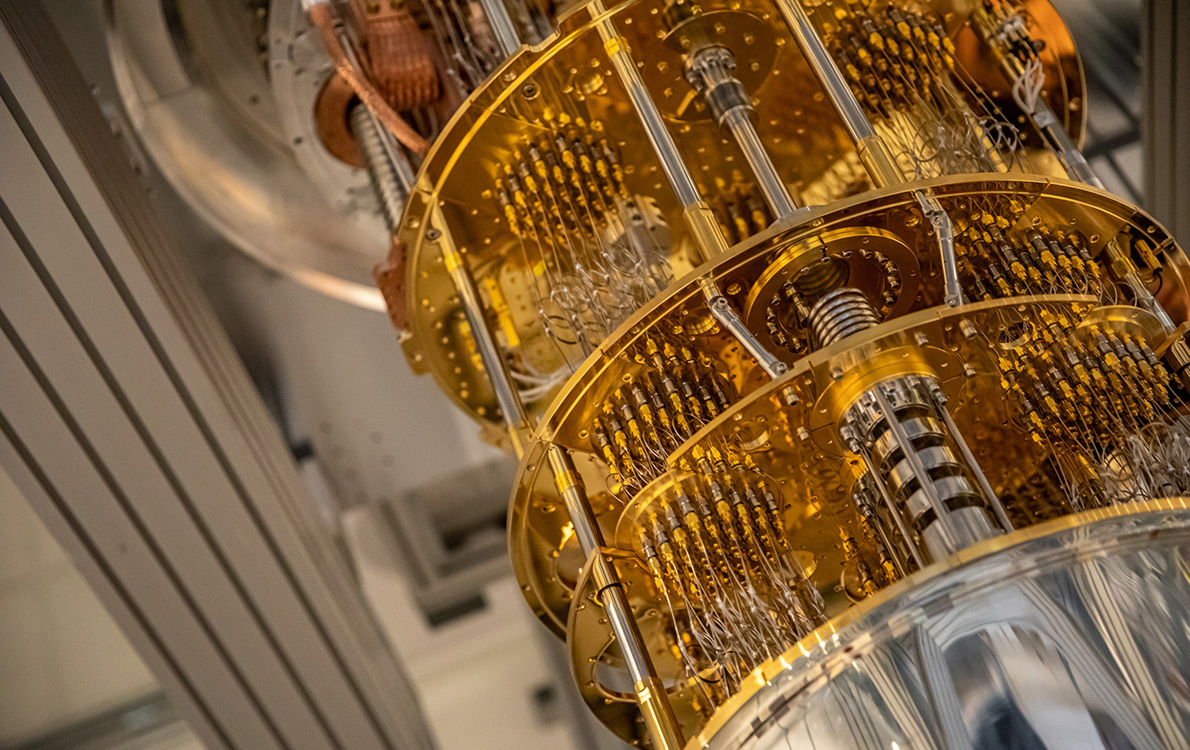
Lawrence Berkeley National Lab (LBL), through its Advanced Quantum Testbed (AQT), is emphasizing that an integrated approach to the "quantum stack" is essential for building future machines. Simultaneous advancement in hardware, software, and algorithms is the only way to achieve real-world quantum advantage.
Data Summary and Insights
| Category | Details | Source |
|---|---|---|
| Room-Temperature Tech | No cryogenic cooling (-273°C) needed, lower cost/complexity | |
| W-State Detection | Real-time monitoring of multi-qubit quantum states | |
| Drug Discovery | Ongoing collaborations (Cleveland Clinic-IBM, Qubit-Pasqal) | |
| Education Programs | 20 top global universities now offering specialized degrees | |
| Integrated Development | Hardware-Software-Algorithm co-evolution is critical |
The takeaway from this week is that quantum computing is moving forward on three main fronts: breaking free from cryogenic constraints, advancing detection capabilities, and expanding into real-world use cases. The success of room-temperature technology is particularly significant and could potentially fast-track the commercialization timeline for the entire industry.
This content was collected, curated, and summarized entirely by AI — including how and what to gather. It may contain inaccuracies. Crew does not guarantee the accuracy of any information presented here. Always verify facts on your own before acting on them. Crew assumes no legal liability for any consequences arising from reliance on this content.
Powered by
