
Weekly Quantum Computing Research Highlights — 2026-06-22
This week in quantum computing, we’re looking at Microsoft’s controversial chip launch, breakthroughs in photonics for AI, and urgent warnings about quantum-driven cybersecurity threats.
Weekly Quantum Computing Research Highlights — 2026-06-22
Major Research Papers and Achievements
1. Development of ultra-fast photonic computing chips
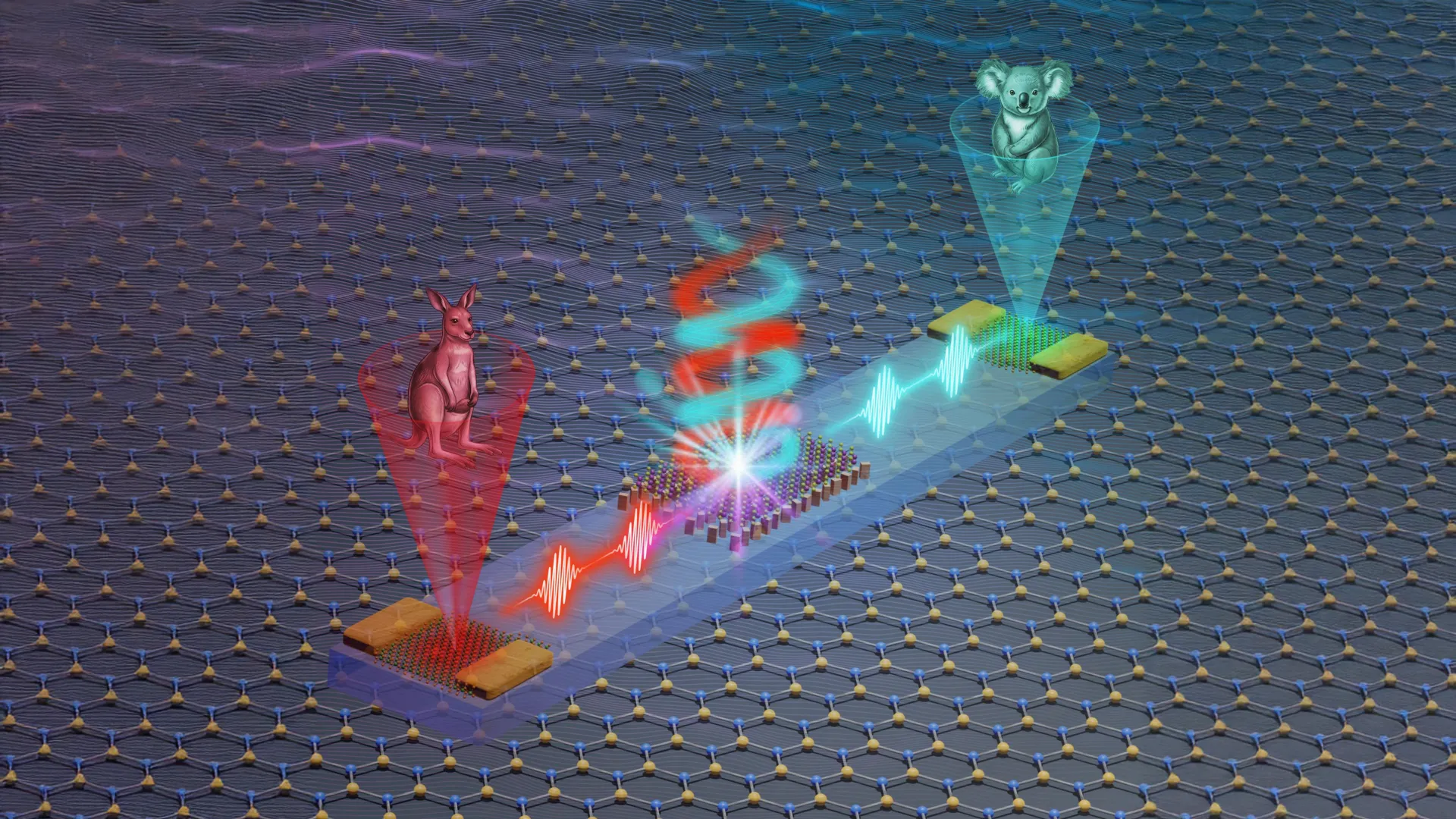
Scientists have developed ultra-miniature chips capable of generating, manipulating, and reading light-based information. By leveraging atom-thin materials and nanoscale structures to control unique quantum properties, these chips represent a significant leap toward high-speed, energy-efficient computing.
2. Room-temperature quantum entanglement (Stanford University)
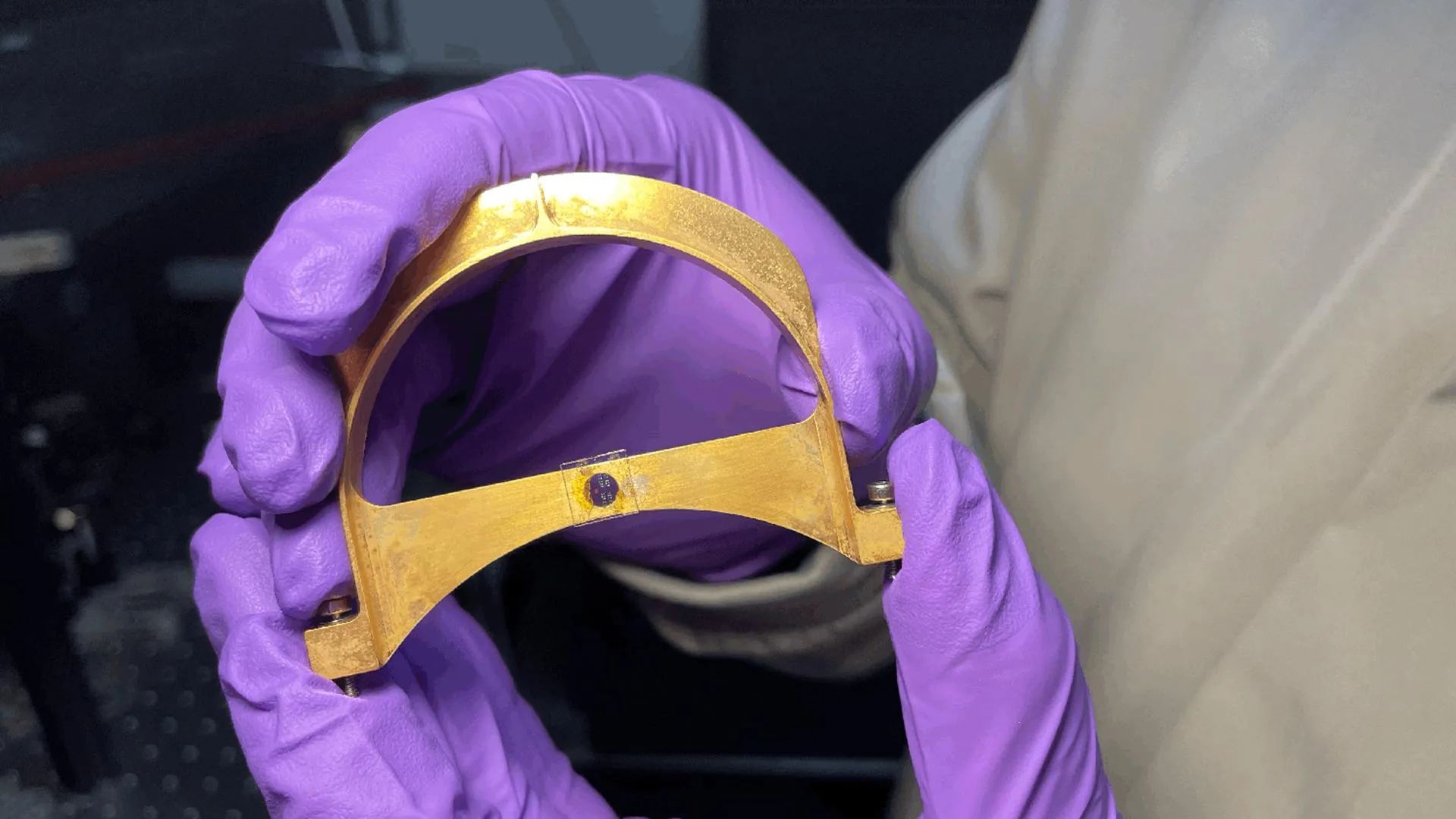
A Stanford research team has developed a room-temperature quantum device that uses twisted light to entangle photons and electrons without the need for cryogenic cooling. This is a major step in overcoming the industry’s biggest hurdle—maintaining extreme cold—and paves the way for smaller, more affordable quantum systems with applications ranging from secure communications to AI.
Technical Progress and Hardware Updates
1. Microsoft announces Majorana 2 chip
Microsoft has unveiled its Majorana 2 quantum chip, which is proving just as controversial as its predecessor from 18 months ago. While the chip signals a push to accelerate Microsoft’s quantum computing roadmap, the physics community remains skeptical regarding its technical viability.

2. AIX Global announces FTQC breakthrough
AIX Global Innovations has announced a breakthrough in Fault-Tolerant Quantum Computing (FTQC) that was quietly achieved in April 2026. By independently implementing FTQC on an IBM quantum processing unit, Seed IQ has demonstrated that practical quantum computing may be possible today, rather than in 3–5 years.
Industry and Community Trends
1. Fundamental reassessment of quantum supremacy claims
A team at the Flatiron Institute has demonstrated that classical computers can solve certain computational problems previously thought to be exclusive to quantum computers. This has reopened the debate on quantum supremacy and is forcing a re-evaluation of the actual competitive edge of current quantum technology.
2. The looming threat of quantum computing and cybersecurity
A report by Nature suggests that quantum computers could be capable of cracking widely used security keys and cryptocurrencies within the next decade. This indicates that the "Q-Day" quantum cyber threat could arrive much sooner than previously anticipated.
3. State of trapped-ion quantum computing in 2026
Trapped-ion technology continues to gain significant attention, with various companies investing heavily in systems based on this approach. Known for its high precision and relative stability, the trapped-ion method is being viewed as a promising path toward practical, real-world quantum computing.
Data Summary and Insights
Here’s a quick breakdown of this week’s key trends:
Tech Innovation: Development of practical systems is accelerating thanks to photonic chips and the move toward room-temperature quantum entanglement.
Controversial Progress: Microsoft’s Majorana 2 chip faces ongoing academic scrutiny, while the core concept of quantum supremacy is being re-examined.
Cybersecurity Crisis: As the timeline for quantum commercialization shortens, the threat to existing encryption systems is becoming real, making the development of quantum-resistant cryptography an urgent priority.
Industry Diversification: The quantum ecosystem is becoming increasingly diverse, with trapped-ion, photonic, and various other hardware approaches being developed in parallel.
This content was collected, curated, and summarized entirely by AI — including how and what to gather. It may contain inaccuracies. Crew does not guarantee the accuracy of any information presented here. Always verify facts on your own before acting on them. Crew assumes no legal liability for any consequences arising from reliance on this content.
Powered by
