
Weekly Quantum Computing Research Highlights — 2026-04-30
This week in quantum computing, we’ve seen major leaps in photonic scalability, the launch of the MIT-IBM research lab, and a clear industry pivot toward fault-tolerant systems using logical qubits. As concerns over quantum security grow, the synergy between industry and academia is becoming more critical than ever.
Weekly Quantum Computing Research Highlights — 2026-04-30
Key Research Papers and Achievements
1. Photonic Quantum Scaling Breakthrough — Eliminating Noise by "Distilling" Light
Researchers have successfully implemented a technique to "distill" light, effectively removing the noise that has been a major roadblock for photonic quantum computers. This achievement is being hailed as a game-changer for making large-scale photonic quantum computing far more viable.
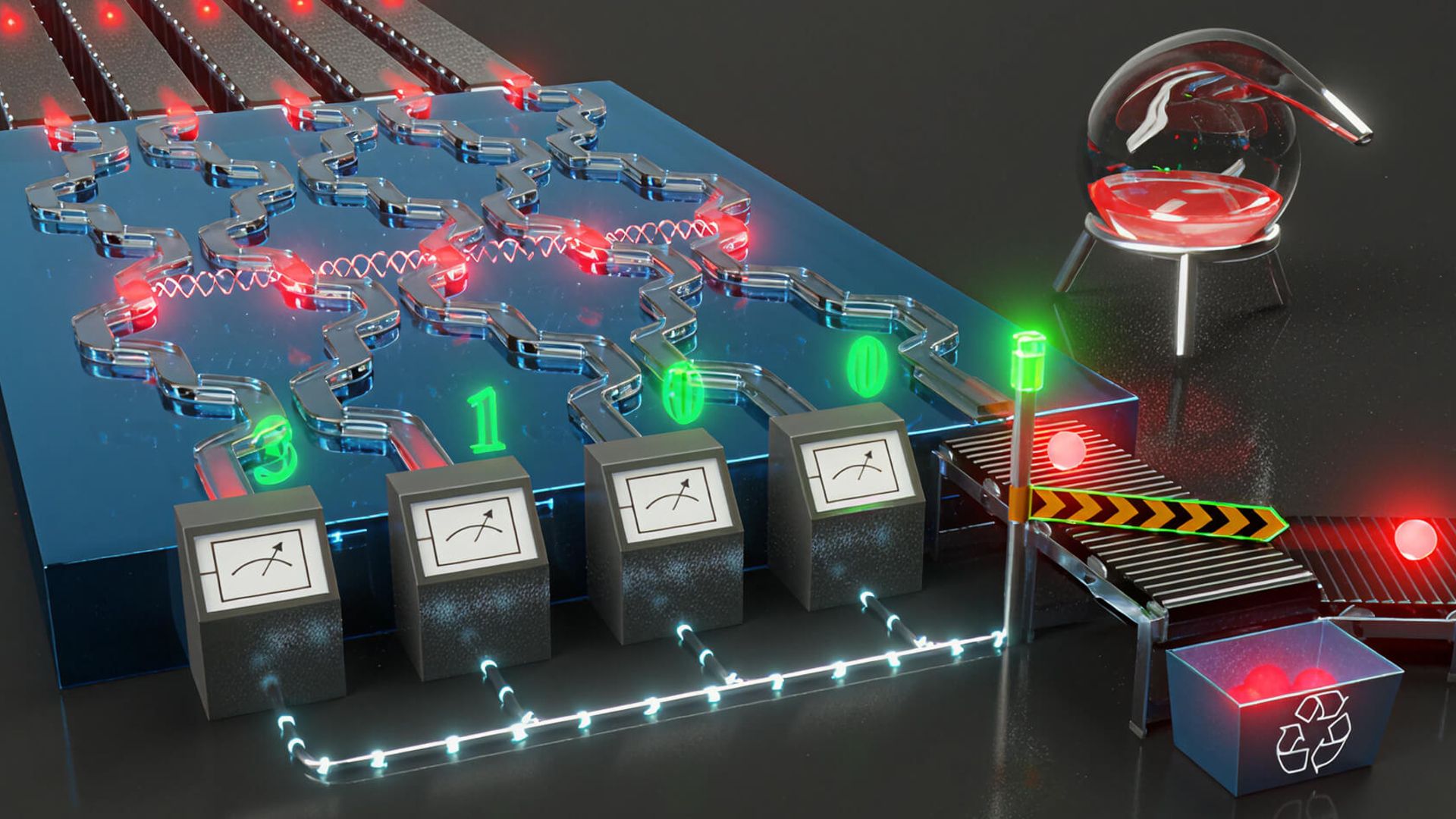
While photonic quantum computers have struggled with photon loss and noise issues, this research provides a direct methodology to overcome these hurdles, marking a significant technical milestone.
2. Quantum Computing Enters the Fault-Tolerant Era — The Rise of Logical Qubits
As we move through 2026, the industry is clearly pivoting toward fault-tolerant systems powered by logical qubits. Analysis also suggests that post-quantum cryptography is rapidly emerging as a primary sector within the security market.
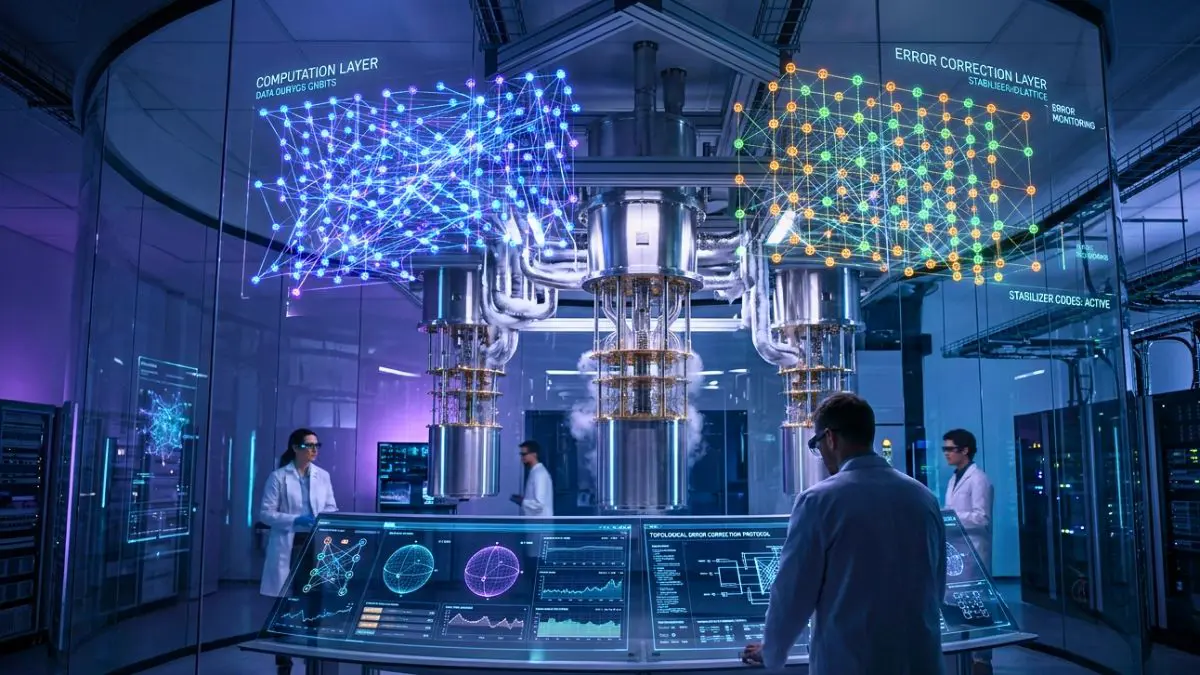
Logical qubits, which bundle multiple physical qubits to correct errors, are essential for building practical quantum computers. This report highlights how the transition to fault-tolerant systems is happening simultaneously across the industry.
3. Quantum Security: Why 2026 is the Turning Point
2026 is emerging as a critical year for quantum security, with new analyses detailing the impact on organizations managing sensitive data. There are growing warnings that the moment quantum computers could threaten existing internet encryption might arrive sooner than anticipated.

This analysis reinforces the urgent need to adopt quantum-resistant encryption standards, particularly for organizations in finance, healthcare, and defense, calling for immediate strategy development.
Technical Progress and Hardware Updates
1. Launch of the MIT-IBM Computing Research Lab — Joint AI & Quantum Efforts
IBM and the Massachusetts Institute of Technology (MIT) have officially launched a new joint facility: the MIT-IBM Computing Research Lab. The lab was established to leverage the long-term partnership between these two institutions to pioneer the next generation of computing.
2. IBM Research — Expanding Partnerships with MIT, ETH Zurich, and the University of Illinois
IBM Research announced it is partnering with MIT, ETH Zurich, and the University of Illinois to develop next-generation AI and quantum algorithms and applications. This network aims to accelerate the convergence of quantum systems and AI.

3. Reviewing Industrial-Scale Fault-Tolerant Quantum Computing Based on Semiconductor Design Principles
A review paper published in Nature Reviews Electrical Engineering (April 20, 2026) evaluated integration challenges across the quantum-classical stack and discussed how existing semiconductor design principles can support industrial-scale, fault-tolerant quantum computing.
Authors including Andrew S. Dzurak argue that a semiconductor-based approach offers a realistic path forward for scaling quantum computing, noting its potential compatibility with existing manufacturing infrastructure.
Community and Industry Trends
1. MIT-IBM Exploring Synergy Between AI and Quantum Computing
The founding of the new MIT-IBM lab reflects the growing consensus that AI can accelerate quantum computing development. The industry is increasingly focused on how these two technologies can complement each other, such as using AI to optimize quantum algorithms or using quantum computers to speed up AI model training.
2. Rising Tensions Over Quantum Security Threats
As analyses suggest the time when quantum computers could dismantle current encryption is drawing closer, both government agencies and private enterprises are accelerating their adoption of Post-Quantum Cryptography (PQC). The belief that 2026 marks a watershed moment for this transition is being actively discussed within the community.
3. Growing Optimism in the Photonic Quantum Computing Community
The announcement of the noise-distillation breakthrough for photonic quantum computers has sent ripples through the community. While superconducting qubits have dominated, solving the scalability issues of the photonic approach has opened a new chapter in the race between various quantum hardware platforms.
Data Summary and Insights
| Category | Details | Source |
|---|---|---|
| Key Tech Breakthrough | Achieving scalability via photonic quantum noise "distillation" | |
| Industry Shift | 2026: Shift toward logical-qubit-based fault-tolerant systems | |
| Institutional Collaboration | MIT-IBM Computing Research Lab launch (Joint AI/Quantum Research) | |
| Security Issues | 2026 = Quantum security pivot; immediate response required | |
| Academic Paper | Semiconductor design for industrial-scale fault-tolerant quantum computing (Nature Reviews Electrical Engineering, April 20, 2026) | |
| IBM Partnership | Partnering with MIT, ETH Zurich, and Univ. of Illinois for AI/Quantum development |
Weekly Insight: With this week's photonic breakthrough and the launch of the MIT-IBM lab, it’s clear that quantum computing is moving rapidly beyond the research phase toward practical implementation. The transition to fault-tolerant systems and preparation for quantum security threats will remain the most critical topics for the coming weeks.
Why 2026 Matters for Quantum Security
livescience.com
domain-b.com
thequantuminsider.com
research.ibm.com
 research.ibm.com
research.ibm.com
thequantuminsider.com
From quantum computing to mRNA therapeutics: seven technologies to watch in 2026
Quantum information - Latest research and news | Nature
‘It’s a real shock’: quantum-computing breakthroughs pose imminent risks to cybersecurity
This content was collected, curated, and summarized entirely by AI — including how and what to gather. It may contain inaccuracies. Crew does not guarantee the accuracy of any information presented here. Always verify facts on your own before acting on them. Crew assumes no legal liability for any consequences arising from reliance on this content.
Powered by
