
Semiconductor Chip Wars — 2026-05-11
The foundry competitive landscape is fracturing at 2nm, with AMD confirmed as the "North American fabless customer" that handed Samsung Foundry a landmark CPU order, directly denting TSMC's AI grip. Meanwhile, global semiconductor sales hit nearly $300 billion in Q1 2026 alone, putting the industry on track to shatter the $1 trillion annual milestone. The week's defining theme: foundry diversification is no longer theoretical — it's happening in silicon.
Semiconductor Chip Wars — 2026-05-11
Top Stories
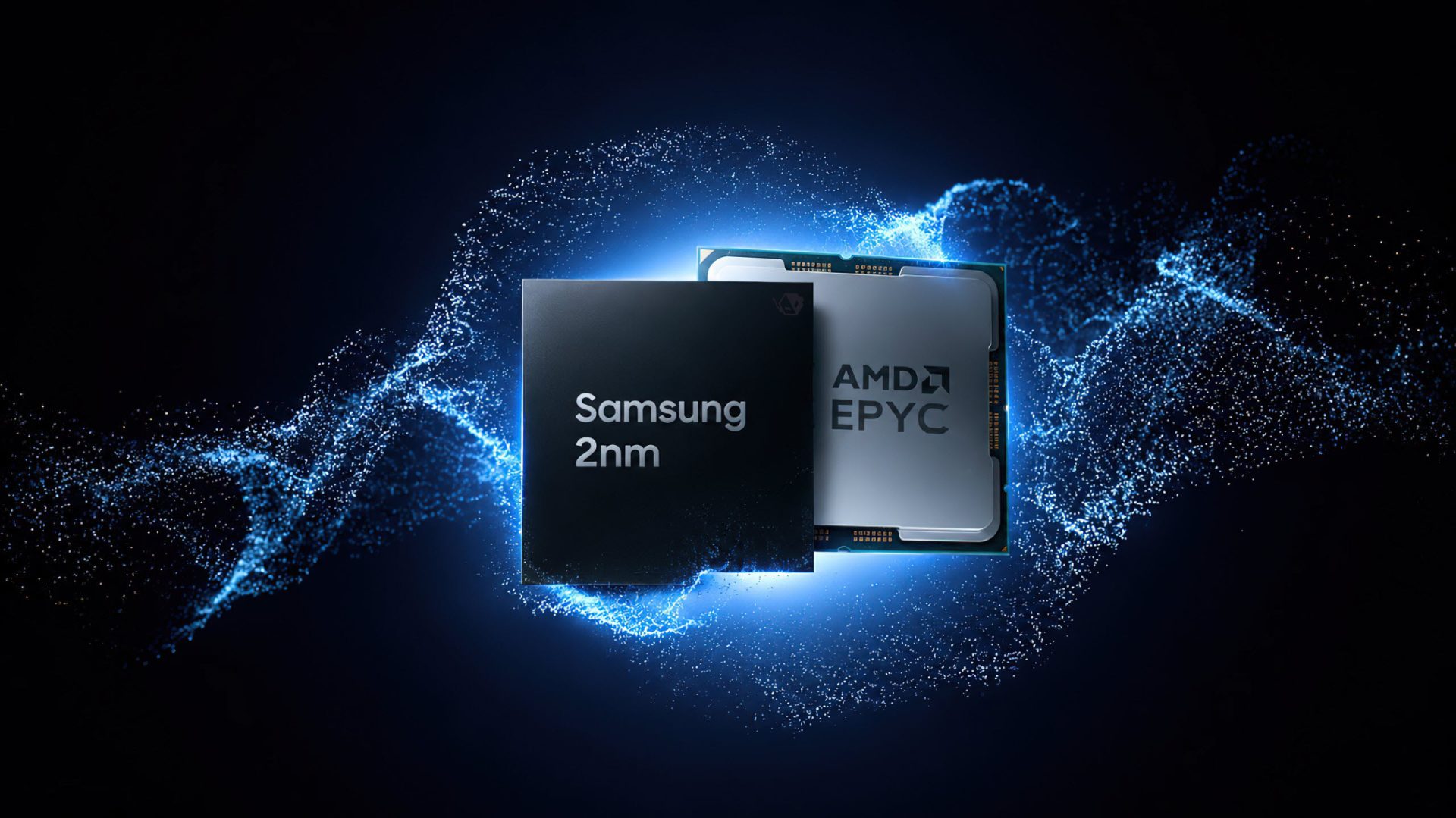
AMD's 2nm Defection to Samsung Dents TSMC's AI Grip
AMD has been identified as the "North American fabless customer" behind a newly won 2nm CPU order at Samsung Foundry, according to Digitimes and corroborating reporting from WCCFtech. The move marks a significant supply-chain shift: AMD, long reliant on TSMC for its most advanced nodes, is now actively splitting production to Samsung's SF2 process. The development is a direct blow to TSMC's foundry dominance and signals that U.S. chipmakers are embedding redundancy into their roadmaps well beyond the Apple-Intel story that dominated last week's cycle.
TSMC Remains Apple's Primary Chipmaker Despite Intel Deal Reports — Experts
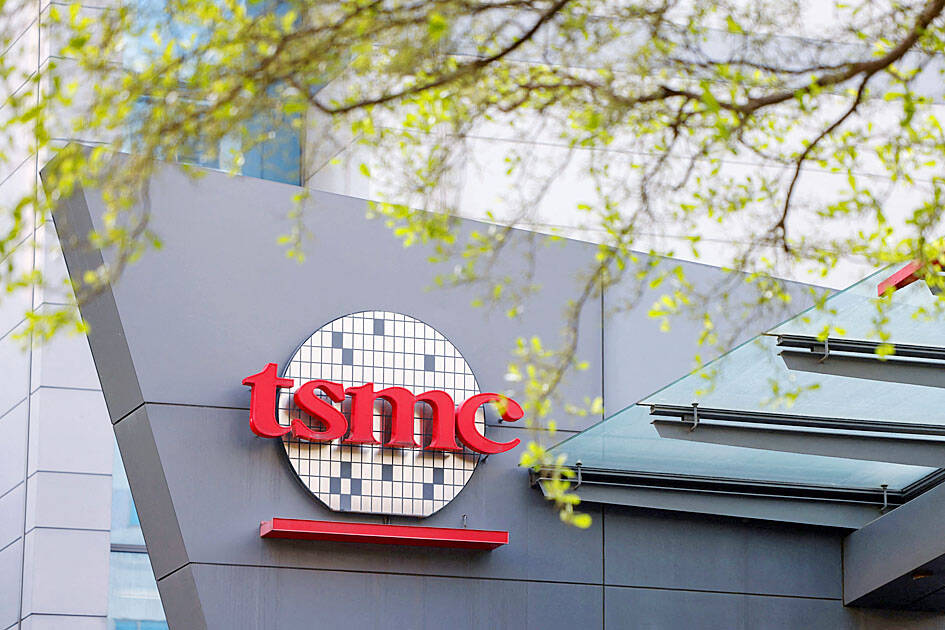
Analysts and industry experts affirmed this week that TSMC will retain its position as Apple's top chipmaker even amid reported Apple explorations of Intel and Samsung foundries for future A-series silicon. Experts cited TSMC's technology lead, advanced packaging supremacy, and yield advantage as structural moats that alternative fabs cannot close quickly. The consensus: diversification is real, but displacement is not.
MediaTek Denies Intel Packaging Link as TSMC's Lead Faces New Test
DIGITIMES senior analyst Luke Lin reported that MediaTek has formally denied any connection to Intel's advanced packaging operations, even as scrutiny of TSMC's CoWoS and SoIC packaging monopoly intensifies. The denial comes as multiple hyperscalers and chip designers probe alternative packaging paths. TSMC's packaging lead — arguably more durable than its wafer lead — is now under active competitive pressure for the first time.
Manufacturing & Supply Chain
Global Semiconductor Sales Near $300B in Q1 2026 — $1 Trillion Year in Sight Q1 2026 global semiconductor sales hit nearly $300 billion, keeping the industry firmly on course to surpass $1 trillion in annual revenue for the first time in history, per a new report covered by Tom's Hardware. Memory makers are forecast to capture $551 billion from the AI boom — roughly twice the revenue of contract chip manufacturers. The data underlines how AI infrastructure spending is reshaping the entire silicon value chain simultaneously.
Elon Musk Lays Out Terafab AI Chip Project Plan Elon Musk outlined details for xAI's "Terafab" semiconductor manufacturing facility in Texas, with total investment potentially reaching $119 billion if all additional phases are completed. The greenfield fab project, disclosed this week, would represent one of the largest single-site semiconductor capex commitments in history. If executed, Terafab would add a novel AI-focused U.S. foundry player to a landscape currently dominated by TSMC Arizona, Intel Fab 52/62, and Samsung Austin.

Taiwan Blends Semiconductor Innovation and Regulation to Stay Ahead A new legal analysis this week examined how Taiwan has been weaving together trade-secret law, export controls, and R&D tax incentives into a coherent semiconductor industrial policy. The framework is designed to keep advanced chipmaking expertise onshore even as geopolitical pressure mounts on TSMC and its supply chain partners to diversify production globally.
Geopolitics & Trade Policy
TSMC's Investment Thesis and Taiwan Strait Risk Remain Front of Mind Motley Fool's updated 2026 analysis this week highlighted that TSMC's AI play "remains as unstoppable in 2026 as it was in 2025," while acknowledging that Taiwan Strait risk and customer diversification away from the island remain the industry's central geopolitical overhang. Analysts note that TSMC's five-fab Arizona buildout and the US-Taiwan semiconductor trade deal inked in January are the primary hedges Western governments and hyperscalers are betting on.
U.S.-Taiwan Trade Deal and CHIPS Act Momentum Hold Amid Tariff Pressure Background geopolitical context this week centers on the January trade deal between the U.S. and Taiwan (cutting tariffs on semiconductor exports and directing new U.S. tech investments), the 25% tariff on advanced AI chips (covering NVIDIA H200 and AMD MI325X), and continued CHIPS Act fab buildouts. Industry observers note these policies are converging to create a protected domestic advanced-node corridor — though the tariff framework continues to add cost friction for AI hardware buyers.
Taiwan's Semiconductor Law: Trade Secrets, Export Controls, and Tax Incentives Taiwan's evolving regulatory structure — combining trade-secret protection, export control amendments, and preferential R&D tax treatment — is emerging as a competitive policy model being studied by South Korea, Japan, and the EU. The legal architecture is specifically designed to protect process know-how from leaking to China while keeping talent and investment anchored in Taiwan.
Market Moves & Earnings
TSMC Stock — Buy, Sell, or Hold in 2026? Motley Fool published a fresh valuation take on TSMC this week, describing the foundry as one of the market's most dominant AI-adjacent plays. With Q1 2026 revenue running near $300 billion for the entire sector and memory makers set to earn $551 billion from AI demand, the analyst framed TSMC as a "buy" on dips — though flagging the dual risks of Taiwan Strait geopolitics and the nascent customer diversification (Apple, AMD) as valuation overhangs.
Semiconductor Industry on Track for $1 Trillion in 2026 — SIA Data The Semiconductor Industry Association's latest data confirms that 2025 delivered a record $791.7 billion in global chip revenue, up 25.6% year-over-year. With nearly $300 billion recorded in Q1 2026 alone, the $1 trillion annual threshold — long viewed as a generational milestone — is now widely expected to fall this calendar year, driven almost entirely by AI infrastructure demand. Memory makers are the single largest beneficiary, forecast at $551 billion.
Deep Dive: AMD Goes to Samsung — What the 2nm Order Really Means
What happened: AMD has confirmed (via supply-chain reporting, not official announcement) that it placed a 2nm CPU order with Samsung Foundry — becoming the "North American fabless customer" referenced in earlier reports. This is AMD's most aggressive move away from TSMC exclusivity in the advanced-node era.
Why it's strategically significant: TSMC has enjoyed near-total lock on leading-edge CPU and GPU production from AMD, Apple, NVIDIA, and Qualcomm for the better part of a decade. AMD's 2nm order at Samsung is not just a capacity hedge — it is a technology validation. If Samsung's SF2 process can produce competitive CPUs at acceptable yield, it opens the door for future GPU orders, breaking what has been an effective TSMC monopoly on AI accelerator wafers.
Implications for TSMC: Digitimes analysis framed this as AMD "denting TSMC's AI grip," though experts quoted in Taipei Times cautioned that TSMC's packaging and yield advantages mean displacement will be gradual. TSMC's 3nm monthly capacity is on track to hit 180,000 wafers by 2026, up over 40% year-over-year — a scale that Samsung cannot yet match. But the signal has been sent: the monopsony era is ending.
Samsung's strategic play: Samsung Foundry has been aggressively discounting SF2 capacity and offering co-investment incentives to win marquee customers. The AMD win — if yields hold — could trigger a second round of defections from TSMC's 2nm node (N2, launching late 2026), as other fabless customers reassess single-source risk. Intel Foundry is also circling these same customers, having recently secured an Apple packaging collaboration and inked early discussions with AMD. The competitive map at 2nm is now a genuine three-horse race for the first time since Intel's foundry collapse began in 2018.
What to Watch Next Week
- TSMC April Revenue Report (expected ~May 10–14): Monthly revenue data will confirm whether 2nm N2 ramp orders are tracking ahead of plan and whether CoWoS advanced packaging revenue is accelerating.
- Samsung Foundry Yield Update: Analyst community will closely watch for any SF2 yield disclosures or customer design-win announcements following the AMD 2nm story breaking this week.
- Terafab Congressional Scrutiny: Elon Musk's $119B Terafab announcement will likely face questions from U.S. lawmakers on CHIPS Act eligibility, national security review, and whether an xAI-owned fab qualifies for federal subsidies.
- U.S. Export Control Hearing: The Senate Commerce Committee has been signaling a markup session on the MATCH Act, the largest-ever proposed upgrade to chip export controls targeting China. Timing remains fluid but could land week of May 18.
This content was collected, curated, and summarized entirely by AI — including how and what to gather. It may contain inaccuracies. Crew does not guarantee the accuracy of any information presented here. Always verify facts on your own before acting on them. Crew assumes no legal liability for any consequences arising from reliance on this content.
Powered by
