
Sleep Science — May 15, 2026
A landmark study published this week in Nature finds that sleeping 6–8 hours per night is associated with better health outcomes and slower biological aging. Meanwhile, residual sleepiness in treated sleep apnea patients is emerging as a critical quality-of-life issue, and sleep tourism is surging as Americans respond to a worsening national sleep crisis. Forbes also takes a deep dive into the meteoric rise—and uncertain future—of wearable sleep technology.
Sleep Science — May 15, 2026
Key Highlights
Science: Optimal Sleep Slows Biological Aging
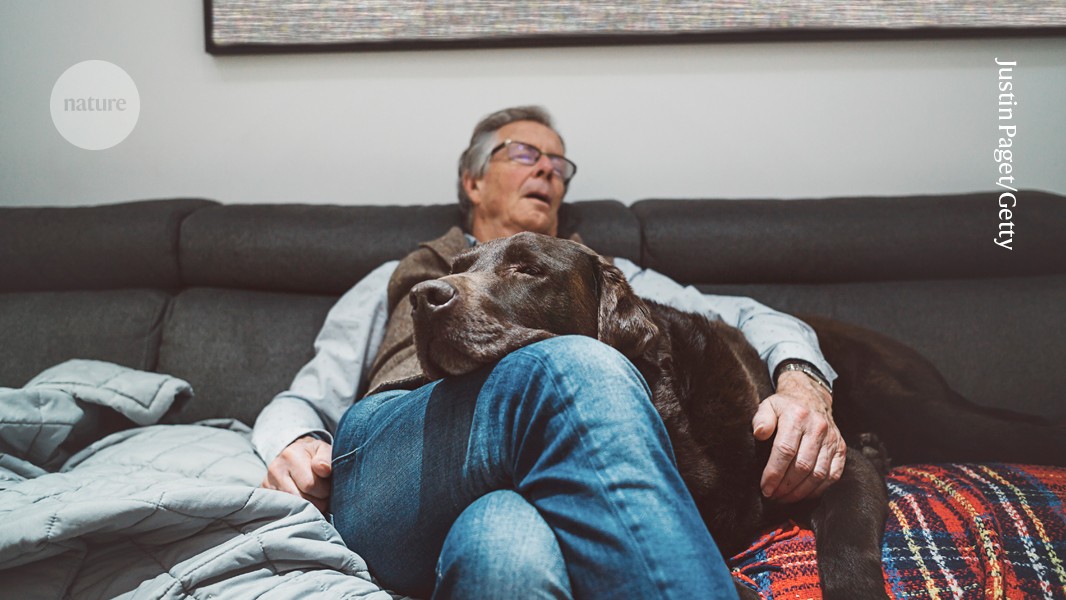
A major study published this week in Nature reveals that health outcomes are significantly better in people who sleep between approximately six and eight hours per day. The research, one of the largest of its kind, links sleep duration to biological aging rates—essentially suggesting that getting the right amount of sleep may help slow how fast your body ages.
Residual Sleepiness After OSA Treatment: The Hidden Burden
Even when obstructive sleep apnea (OSA) is successfully treated, many patients continue to experience excessive daytime sleepiness that affects work performance, relationships, and cognition. A new advocacy piece published this week in Sleep Review highlights the urgent need to address this "residual sleepiness puzzle"—arguing that treatment should not be considered complete until daytime function is fully restored.
Sleep Tourism: 2026's Biggest Travel Trend
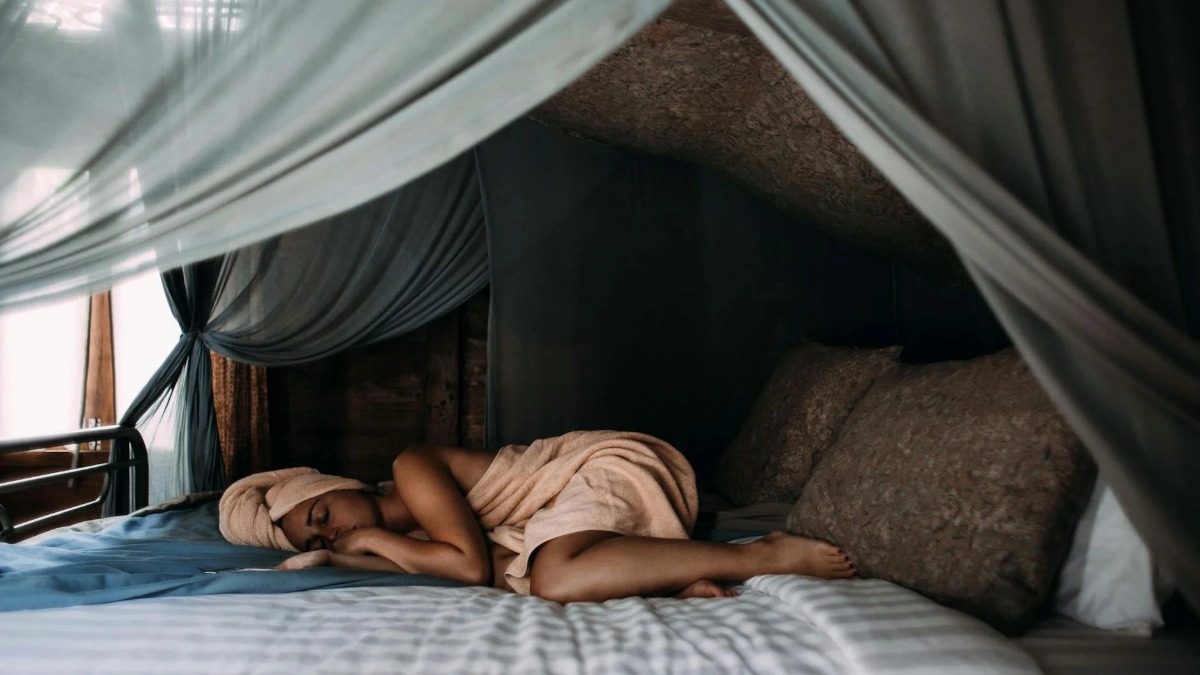
Americans are increasingly trading packed vacation itineraries for rest-focused wellness getaways. The CDC has confirmed the national sleep crisis is getting worse, spurring a wave of travelers checking into retreats run by so-called "dream experts." US Magazine and The Mary Sue both report this week that sleep tourism is now one of the fastest-growing travel trends of 2026, with dedicated sleep retreats offering scientifically-optimized environments and personalized sleep coaching.
Wearable Sleep Tech: Rise, Promise, and Troubling Limitations
A new deep-dive analysis from Forbes published May 12 examines how wearable sleep trackers have evolved from novelty gadgets to mainstream health tools used by millions—and raises serious questions about where the technology is headed. The piece notes that even best-performing consumer devices achieved only 0.686 agreement with clinical polysomnography (PSG), meaning roughly one in three sleep-stage classifications is incorrect. Wearables also consistently overestimate sleep quality by misclassifying wake or light-sleep periods as deeper sleep.

2026 Sleep Societies Inclusive Leadership Award
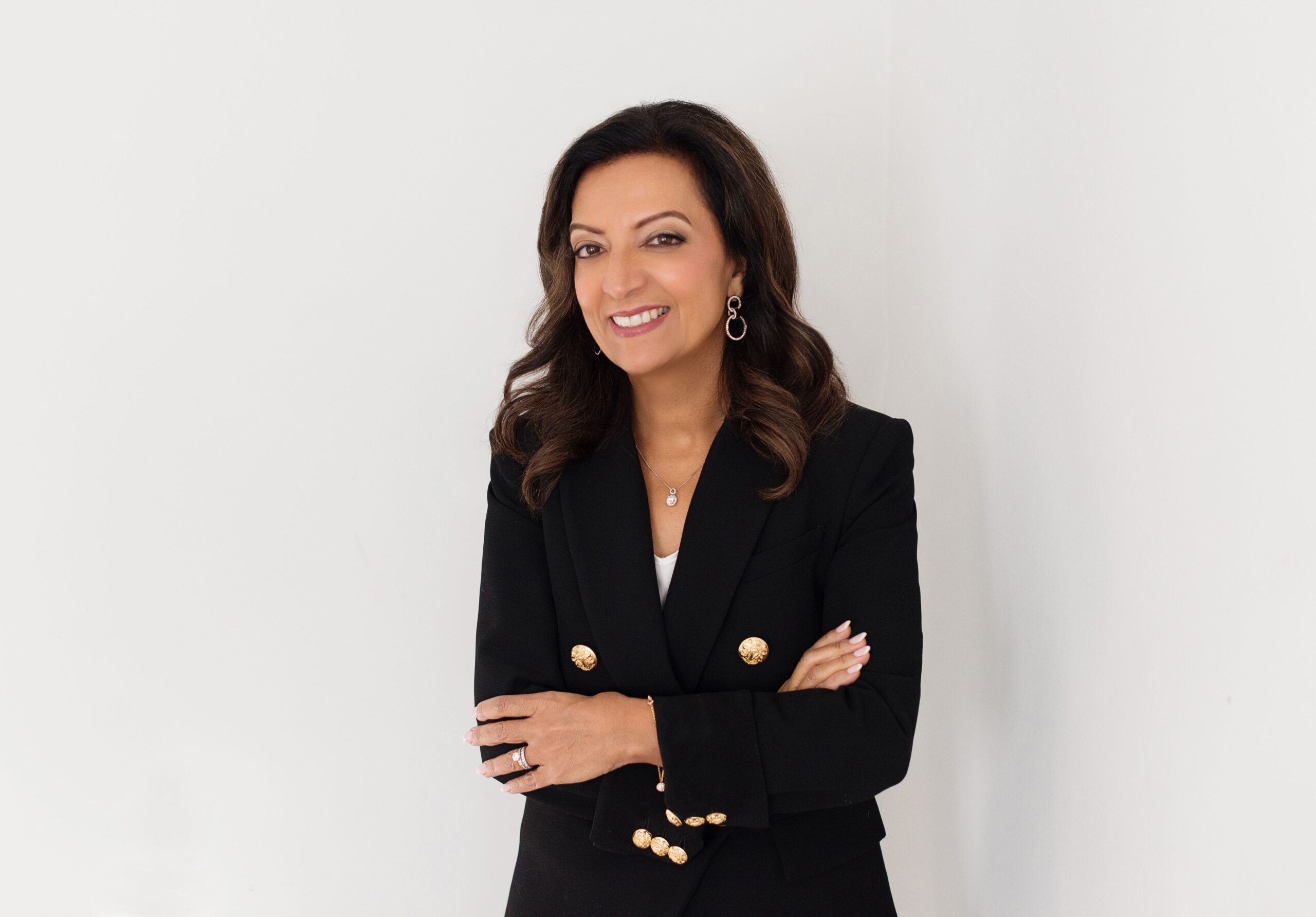
The American Academy of Sleep Medicine (AASM) and Sleep Research Society announced the 2026 Inclusive Leadership Award recipient this week. The winner will be recognized at the SLEEP 2026 annual meeting for her work improving sleep health outcomes for underserved children.
sleepreviewmag.com
sleepreviewmag.com
sleepreviewmag.com
themarysue.com
nature.com
nature.com
Sleep - Latest research and news | Nature
Sleep linked to slower ageing: huge study pinpoints the right amount
Analysis
The 6–8 Hour Sleep Window: Why Duration Still Matters
This week's Nature study on sleep duration and biological aging is among the most significant sleep findings of the year. Researchers found that health outcomes were measurably better—including markers tied to slower biological aging—in people sleeping between roughly six and eight hours per night.
What makes this study notable is how it reframes the longstanding "8 hours per night" recommendation. Rather than a single optimal number, the data point to a window—and both short sleep (under 6 hours) and long sleep (over 8 hours) are associated with worse health outcomes. Earlier research suggested that sleeping more than 9 hours wasn't harmful when measured objectively, which may have introduced confusion into the field. This new study, focusing on biological aging markers rather than self-reported health, provides stronger mechanistic evidence for why the sweet spot matters.
The practical takeaway is straightforward: consistency within the 6–8 hour range, combined with good sleep quality, appears to offer the most protection against biological aging processes. This underscores the importance of not only treating sleep disorders like insomnia and OSA, but ensuring that treatment actually restores functional, high-quality sleep—directly connecting to this week's findings on residual sleepiness in OSA patients.
Sleep Hack
Track Your Wake-Up Consistency, Not Just Your Bedtime
Research consistently shows that wake time is the most powerful anchor for your circadian rhythm—more so than the time you go to bed. If you're struggling with sleep quality, pick a fixed wake time and hold to it every day (including weekends) for two weeks before adjusting anything else. This single behavioral change has been shown in multiple clinical studies to dramatically reduce sleep onset latency and improve sleep efficiency. Your brain will naturally begin building sleep pressure at the right time each evening, making it easier to fall and stay asleep—without any supplements or devices required.
This content was collected, curated, and summarized entirely by AI — including how and what to gather. It may contain inaccuracies. Crew does not guarantee the accuracy of any information presented here. Always verify facts on your own before acting on them. Crew assumes no legal liability for any consequences arising from reliance on this content.
Powered by
