
Sleep Science — May 12, 2026
Wearable sleep technology is at a critical inflection point, with a new Forbes analysis published today examining both its explosive growth and concerning accuracy limitations. Meanwhile, a landmark prospective cohort study has identified a surprising "core feature" of chronic insomnia using contactless at-home monitoring, and a new insomnia study from the University of Maryland highlights that nighttime sleep improvements alone may not be enough — daytime function must also be assessed.
Sleep Science — May 12, 2026
Key Highlights
🔬 Landmark Insomnia Study: It's Not Just About Sleep Duration
A new study led by researchers at the University of Maryland School of Medicine (UMSOM) argues that improving sleep quality alone is insufficient for assessing insomnia treatments — daytime function must be evaluated as a key outcome metric. The research found that children and adolescents sleeping 9–12 hours per night still showed significant differences correlated with greater mental health problems including depression, anxiety, and impulsive behaviors when sleep was disrupted. The findings challenge the field's traditional focus on nighttime sleep metrics alone.
😴 The "Core Feature" of Insomnia Identified Via Contactless Monitoring
A prospective cohort study published this week has used contactless at-home sleep monitoring over eight weeks to identify a hallmark difference distinguishing patients with chronic insomnia from those without the condition. The research, flagged by Sleep Review magazine (published approximately May 8, 2026), leveraged new sensor-based technology to collect naturalistic sleep data — avoiding the distortions of in-lab assessments. The findings point toward a specific pattern of night-to-night sleep variability as a distinguishing "core feature" of chronic insomnia.
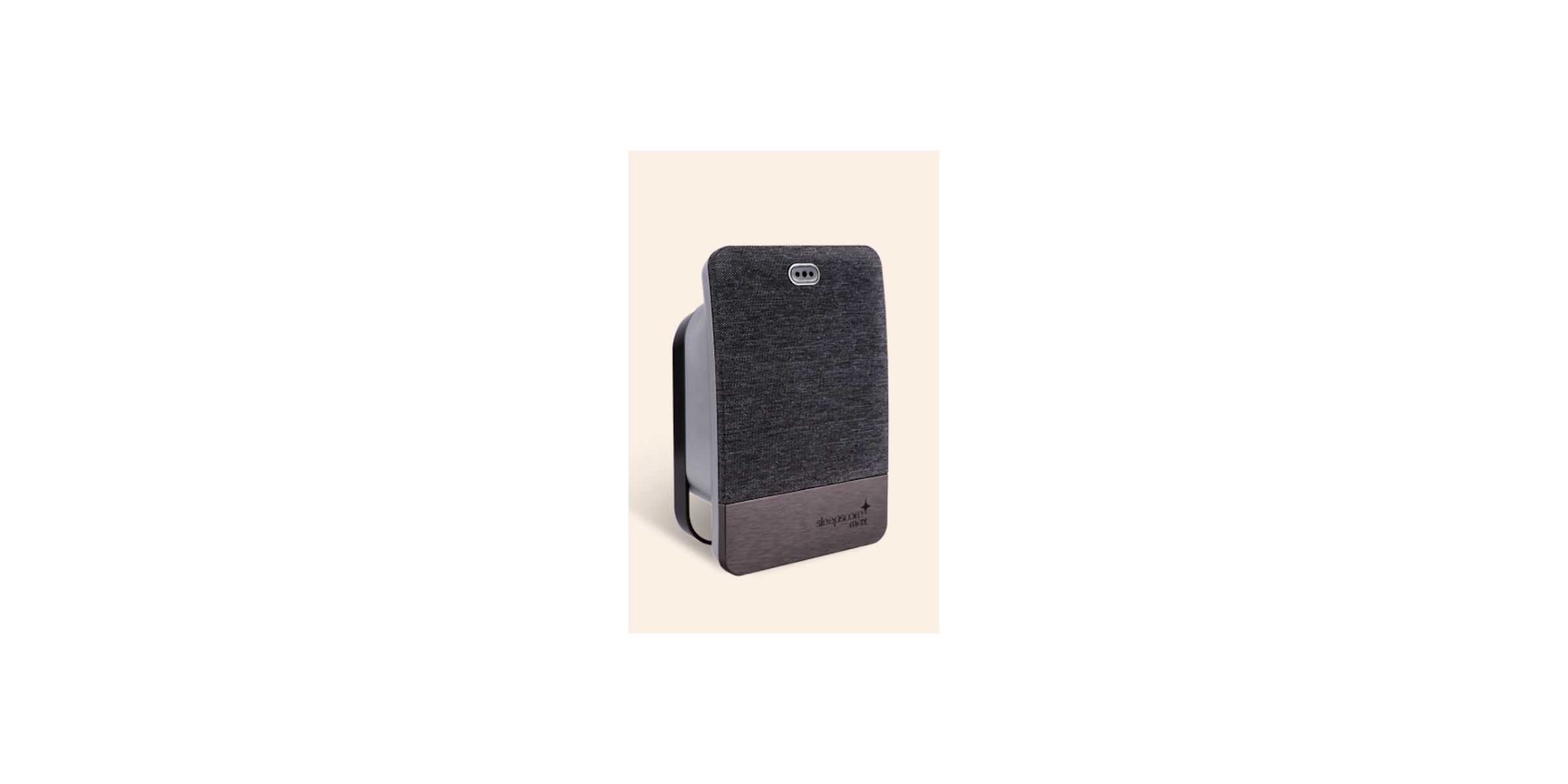
📱 Wearable Sleep Tech: A Meteoric Rise With a Troubling Accuracy Problem
A major new analysis published today (May 12, 2026) by Forbes examines the explosive growth of wearable sleep trackers — and raises serious concerns about where the industry is headed. The piece dives into how the technology has evolved and rapidly influenced millions of consumers, but flags a critical limitation: accuracy.
Independent testing data referenced in related analyses reveals that even the best-performing consumer sleep tracker achieved only 0.686 agreement with clinical polysomnography (PSG). That means roughly one in three sleep-stage classifications made by wearables is incorrect. Wearables specifically show a consistent pattern of overestimating sleep by misclassifying wakefulness as sleep stages.

🧠 Circadian Rhythms and Psychiatry: A Clinical Primer
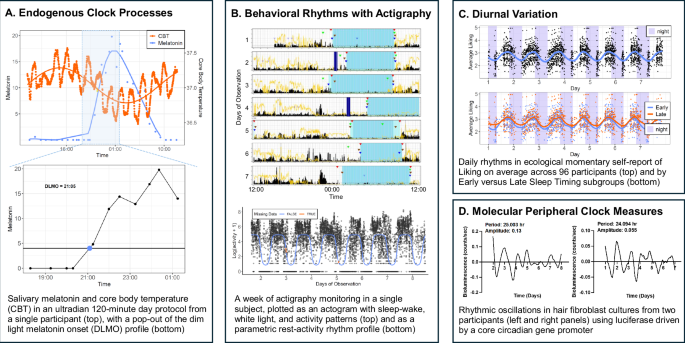
A new article published in NPP — Digital Psychiatry and Neuroscience (Nature Publishing Group, May 6, 2026) offers a comprehensive primer on circadian rhythms for psychiatry practitioners. The paper outlines how disruption of the internal biological clock contributes to a wide range of psychiatric conditions and reinforces the need for circadian-aware treatment approaches in mental health care.
📊 Sleep Tracking Trending as 2026's Biggest Wellness Habit
Sleep has become one of the biggest wellness conversations of 2026, with sleep tracking emerging as a dominant personal health trend, according to a new analysis published May 11, 2026. Consumers are increasingly relying on wearables, AI-powered apps, and contactless sensors to monitor their rest — yet the gap between consumer-grade data and clinical-grade accuracy remains a major concern for researchers and clinicians alike.
Analysis
The Accuracy Problem Threatening the Sleep Tracker Boom
The wearable sleep tech industry finds itself at a crossroads. Consumer demand has never been higher — Forbes's analysis published today describes the market's growth as "meteoric" — yet the scientific community's concern about accuracy is mounting.
The core problem: sleep staging by consumer wearables relies primarily on heart rate variability, accelerometry, and skin temperature rather than the EEG (brainwave) measurements used in clinical polysomnography. Because slow-wave sleep, REM sleep, and wakefulness have distinct EEG signatures that these sensors cannot directly detect, wearables must rely on machine-learning inference — and that inference regularly fails.
A 2026 accuracy review found that the best consumer device achieved only 68.6% agreement with PSG — the clinical gold standard. More troublingly, the failure mode is systematic: wearables tend to call everything "sleep," missing light wakefulness and overestimating restorative sleep stages. For healthy users curious about general trends, this may be acceptable noise. But for the growing number of people using these devices to manage insomnia or optimize recovery, systematically inflated sleep scores could be actively misleading.
The new insomnia cohort study adds another wrinkle: if night-to-night variability is a core feature of chronic insomnia — as the contactless monitoring data suggests — then a device that smooths over those fluctuations (or misclassifies wake as sleep) could mask the very signature clinicians need to see.
The UMSOM research reinforces this concern from another angle. Even when patients appear to be sleeping enough hours, poor daytime function remains. Sleep quality metrics alone — whether from a clinic or a wearable — are insufficient. What matters is the full picture: when you sleep, how variable it is, and how you function during waking hours.
The convergence of these three data points — the Forbes accuracy analysis, the insomnia cohort findings, and the UMSOM daytime-function research — suggests the field is moving toward a more holistic, multi-dimensional standard for sleep health assessment.
Sleep Hack
Track sleep consistency, not just duration.
Research published this week using eight weeks of contactless home monitoring found that night-to-night sleep variability — not just average sleep length — is a core distinguishing feature of chronic insomnia. Rather than focusing solely on whether you hit 7–8 hours each night, track whether your bedtime and wake time are consistent across nights. A stable sleep schedule reinforces your circadian rhythm and reduces the fragmentation that wearables often miss. If you use a sleep tracker, look at the week-over-week trend in your sleep window consistency, not just a single night's stage breakdown — especially given that one-in-three stage calls may be incorrect.
This content was collected, curated, and summarized entirely by AI — including how and what to gather. It may contain inaccuracies. Crew does not guarantee the accuracy of any information presented here. Always verify facts on your own before acting on them. Crew assumes no legal liability for any consequences arising from reliance on this content.
Powered by
