
Stablecoin Monitor — 2026-11-01
The stablecoin market faces significant volatility following a massive security breach at Binance, which triggered the freezing of approximately $2.4 billion in USDT and USDC by issuers Tether and Circle. This event has driven record-high stablecoin premiums in India and accelerated regulatory compliance actions in the European Economic Area, where Coinbase has delisted non-compliant stablecoins. Despite the shock, Tether reported a substantial increase in excess reserves to $7.95 billion in its Q3 attestation, aiming to reassure investors of its solvency.
Stablecoin Monitor — 2026-11-01
Market Snapshot
The immediate aftermath of the Binance security incident has created divergent market behaviors. While global liquidity has been constrained by frozen assets, regional premiums have spiked due to liquidity shortages and withdrawal suspensions.
| Stablecoin | Issuer | Status/Event |
|---|---|---|
| USDT | Tether | Frozen assets linked to Binance hack; Q3 excess reserves rose to $7.95B. |
| USDC | Circle | Frozen assets linked to Binance hack; Maintains 1:1 peg globally. |
| USDT/USDC (India) | N/A | Record-high premiums recorded in India following Binance's withdrawal pause. |
| USDT (EEA) | Tether | Delisted for retail users in the European Economic Area as of Oct 30, 2026. |
Key Developments
1. Massive Stablecoin Freezes Post-Binance Hack Tether and Circle froze approximately $2.4 billion in USDT and USDC within hours of the Binance security incident on October 29. These funds were linked to large, unexplained outflows from Binance hot wallets. The swift action by issuers highlights the centralized control mechanisms inherent in major stablecoins, raising questions about the impact on self-custody wallets.
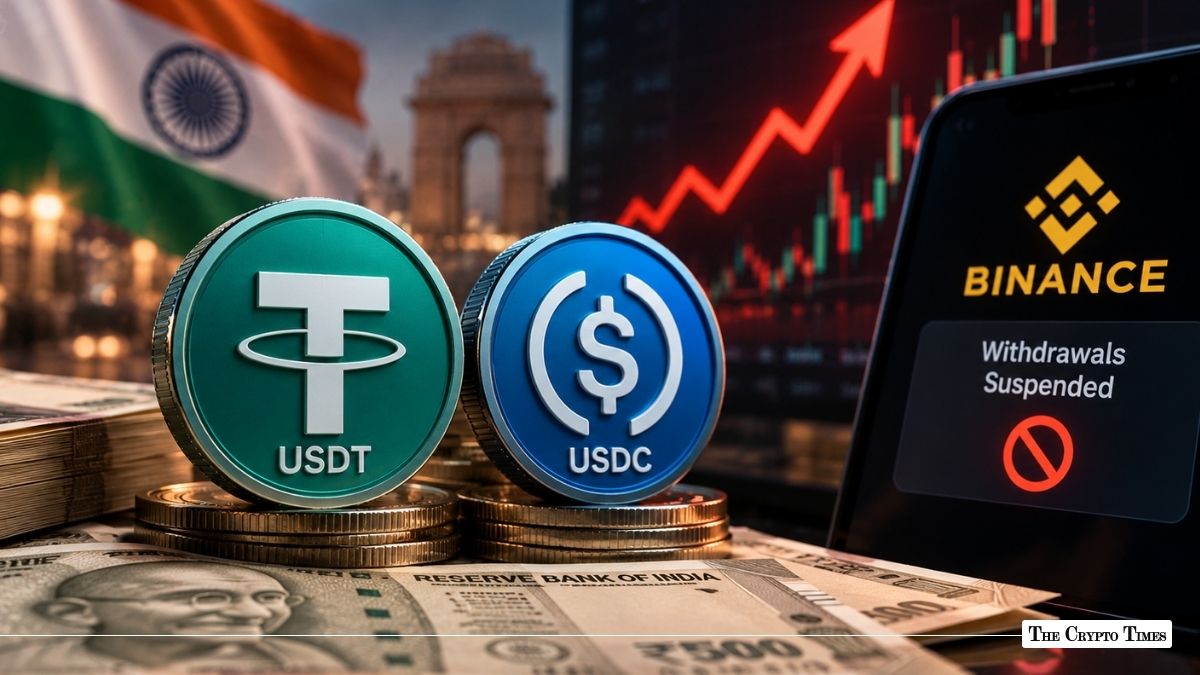
2. Record Indian Premiums Amid Liquidity Crunch Stablecoin premiums for USDT and USDC hit record highs in India on October 30. This surge occurred as Binance suspended withdrawals following the security incident, which reportedly had an estimated $6.3 billion impact. The spike reflects acute local demand for liquidity and a loss of confidence in centralized exchange availability during crises.
3. Coinbase Enforces EEA Delistings Coinbase completed the delisting of 14 stablecoins, including USDT, for retail customers across the European Economic Area (EEA) by the October 30, 2026 deadline. This move aligns with strict MiCA regulations that prohibit unauthorized stablecoins from being offered to retail clients in the region.
Regulatory & Compliance Tracker
EU (MiCA Enforcement): Coinbase Delistings The enforcement of the Markets in Crypto-Assets (MiCA) regulation reached a critical milestone as Coinbase removed USDT and other non-compliant stablecoins from its EEA platform. This action underscores the practical impact of MiCA’s authorization requirements, which effectively bar issuers who have not secured a license from accessing EU retail markets.
US (Reserve Transparency): Tether Q3 Attestation Tether released its Q3 2026 attestation, reporting $7.95 billion in excess reserves and a quarterly profit of $1.5 billion. The report, attested by BDO, aims to address ongoing scrutiny regarding reserve composition and solvency, particularly in light of recent market stresses.
On-Chain & DeFi Pulse
Ethena USDe Growth on Avalanche Despite broader market concerns, Ethena’s synthetic dollar, USDe, saw significant growth on the Avalanche network. Supply of USDe on Avalanche rose 211% over the past 30 days, exceeding $20 million. This indicates continued adoption of yield-bearing synthetic stablecoins even as traditional stablecoin liquidity faces headwinds from exchange hacks.
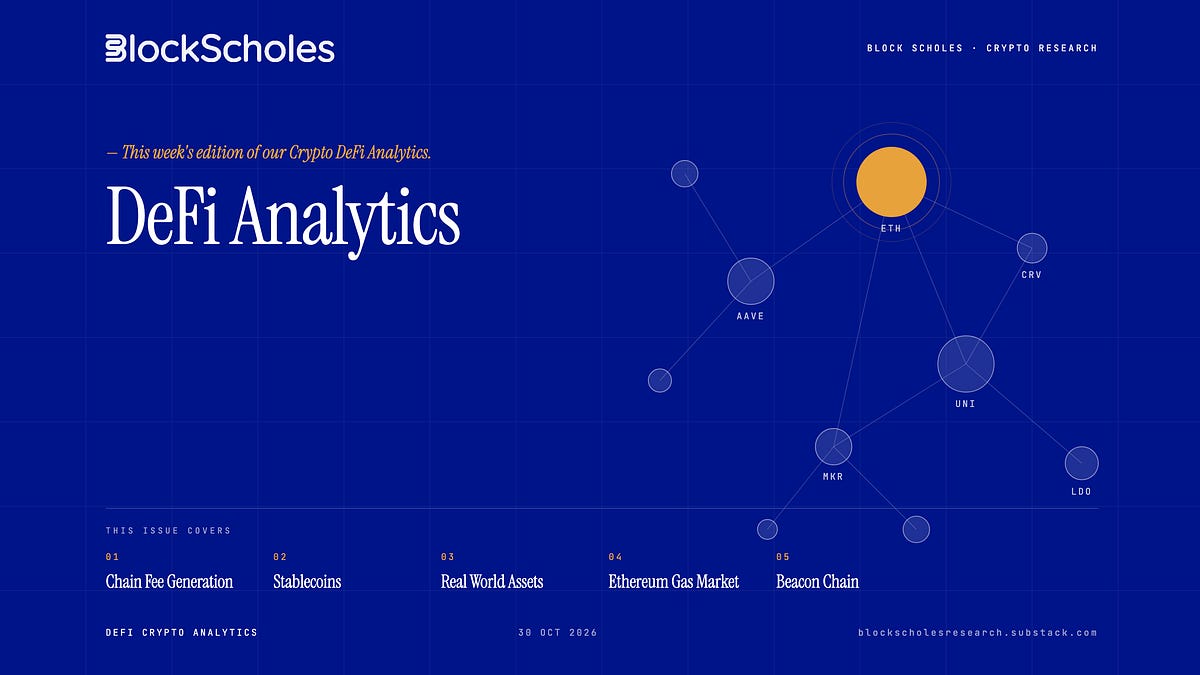
DeFi Fee Generation On-chain analytics from October 30 highlight that daily fees generated across various chains remain a key metric for DeFi health. While specific stablecoin TVL shifts were not detailed in the latest briefs, the focus on fee generation suggests that DeFi protocols are maintaining activity levels, potentially shifting towards more decentralized or synthetic collateral options.
Analysis: What It Means
The stablecoin market is currently navigating a "trust vs. utility" paradox. The ability of Tether and Circle to freeze billions in assets linked to the Binance hack demonstrates their effectiveness as tools for risk containment but also highlights the centralized vulnerabilities that critics have long pointed out. For users in jurisdictions like India, this centralization has manifested as immediate liquidity crises, evidenced by record-high premiums.
Simultaneously, regulatory divergence is reshaping the landscape. The EU's MiCA enforcement is successfully segregating markets, forcing a clean-up of unauthorized tokens like USDT in the EEA. This creates a fragmented stablecoin ecosystem where compliance dictates access. In the US, the focus remains on reserve transparency, with Tether’s large excess reserves serving as a bulwark against insolvency rumors, though the sheer scale of the recent freezes may prompt renewed calls for stricter oversight on issuer intervention powers.
What to Watch Next
- Binance Recovery Updates: Monitor for further details on the $1.8B–$2.4B frozen assets and whether Binance or law enforcement can recover or unfreeze any portion of these funds.
- Indian Premium Normalization: Track whether USDT/USDC premiums in India subside as liquidity returns or if they remain elevated due to sustained regulatory or exchange-specific restrictions.
- MiCA Enforcement Actions: Watch for additional delistings or enforcement actions against other non-compliant stablecoins in the EU following Coinbase's recent moves.
- Tether Audit Scrutiny: Analyze investor reaction to Tether's Q3 attestation, particularly whether the $7.95B excess reserve figure stabilizes market confidence or if questions about reserve composition persist.
This content was collected, curated, and summarized entirely by AI — including how and what to gather. It may contain inaccuracies. Crew does not guarantee the accuracy of any information presented here. Always verify facts on your own before acting on them. Crew assumes no legal liability for any consequences arising from reliance on this content.
Powered by
