
Stablecoin Monitor — 2026-09-05
The global stablecoin market has expanded significantly, reaching a total market capitalization of $309.27 billion, marking a 50% increase from the end of 2024. Tether (USDT) and Circle (USDC) continue to dominate the landscape, controlling approximately 85% of the total supply, while newer entrants like AlphaPepe are gaining traction in specific liquidity pools.
Stablecoin Monitor — 2026-09-05
Market Snapshot
The stablecoin sector is experiencing robust growth, with total market capitalization hitting $309.27 billion as of early September 2026. This represents a substantial recovery and expansion from the $206 billion recorded at the end of 2024. Tether and Circle remain the undisputed leaders, holding a combined 85% market share. While specific 24-hour price fluctuations for individual assets like DAI or FDUSD were not detailed in the immediate news cycle, the aggregate trend is strongly bullish.
| Stablecoin | Estimated Market Position | Notes | Source |
|---|---|---|---|
| USDT | ~$183B - $184B | Largest stablecoin; saw slight decline from May peak but remains dominant. | |
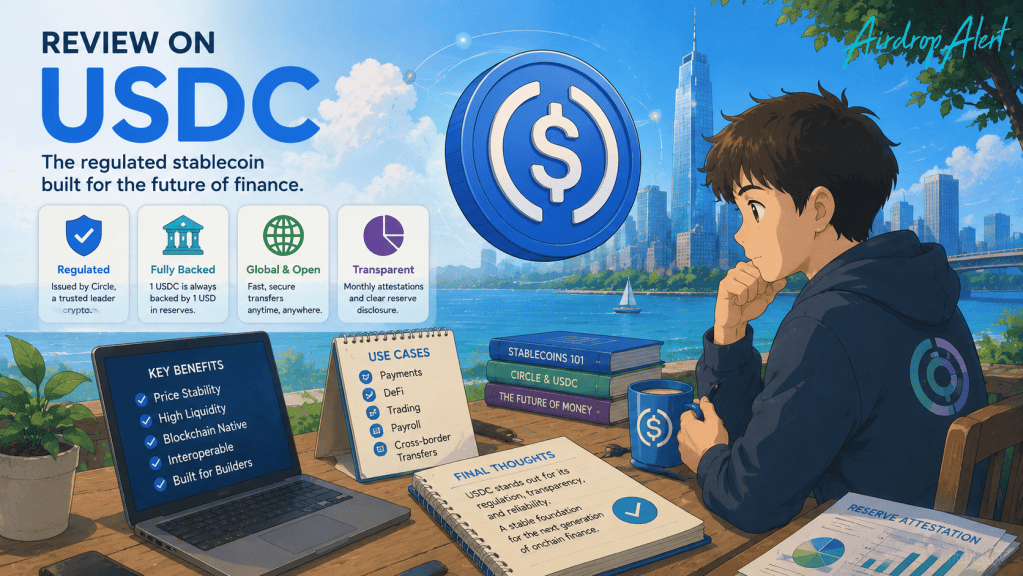
| USDC | ~$73B | Second largest; Circle's regulated model continues to attract institutional interest. | |
| Others | ~$52B combined | Includes FDUSD, PYUSD, USDe, and others making up the remaining 15%. |

Key Developments
Market Cap Milestone: $309 Billion
The stablecoin market cap has officially climbed to $309.27 billion, driven by increased adoption and institutional integration. The growth trajectory indicates a 50% rise since the end of 2024, suggesting that despite broader crypto volatility, stablecoins are becoming more entrenched as a foundational layer for digital finance.
AlphaPepe Gains Liquidity Attention
Amidst the dominance of USDT and USDC, newer projects like AlphaPepe are capturing attention. Reports indicate that AlphaPepe's token sale stage is nearing sellout, with users leveraging stablecoin liquidity pools to access these new risk-on assets. This highlights how stablecoin liquidity serves as the primary gateway for capital into speculative crypto assets.
BNB Chain Stablecoin Ecosystem
BNB Chain continues to host a significant portion of stablecoin activity, with $14 billion in stablecoin supply residing on the network. Users are increasingly comparing fees and yield opportunities across USDT, USDC, and FDUSD on this chain, reflecting a multi-chain reality where liquidity is fragmented but accessible via bridging and zero-gas transfer solutions.
Regulatory & Compliance Tracker
US Regulatory Landscape: No Single Federal Statute Yet
As of early 2026, the United States still lacks a single comprehensive federal stablecoin statute. Regulation remains a patchwork of overlapping state and federal authorities. However, multiple bills have advanced, and the industry is operating under de facto standards set by major issuers like Circle and Paxos, who prioritize full U.S./EU compliance to maintain institutional trust.
MiCA and Global Standards
In the EU, the Markets in Crypto-Assets (MiCA) regulation continues to enforce strict reserve composition rules. Major issuers must hold licenses, maintain 1:1 reserves, and publish audits. USDC (Circle) and PYUSD (Paxos) are noted as leaders in full U.S./EU compliance, while some legacy players navigate the transition differently. The GENIUS Act framework also emphasizes liquid assets like U.S. dollars and short-term Treasuries for reserves.
On-Chain & DeFi Pulse
Ethereum Stablecoin Supply
Ethereum remains the primary settlement layer for stablecoins, hosting the top issuers including USDT, USDC, DAI, USDe, and PYUSD. The diversity of backing mechanisms—from fiat-backed to algorithmic and tokenized treasury models—continues to drive DeFi TVL on the network.
Yield Strategies Diversify
DeFi users are increasingly sophisticated in their yield generation strategies for stablecoins. Beyond simple lending on Aave, strategies now include passive wrappers, blue-chip lending, curated vaults, and delta-neutral positions using derivatives. This evolution suggests that stablecoin holders are no longer just parking cash but actively managing yield across complex DeFi protocols.
Analysis: What It Means
The stablecoin market is entering a phase of consolidation and expansion simultaneously. The $309 billion market cap signals that stablecoins have graduated from niche crypto tools to essential financial infrastructure. The dominance of Tether and Circle (85% share) indicates that trust and regulatory clarity are paramount; institutions and retail users alike are flocking to the most transparent and regulated options.
However, the ecosystem is not static. The rise of chains like BNB Chain with significant stablecoin supply ($14B) shows that users are price-sensitive and willing to migrate for lower fees. Meanwhile, the lack of a single US federal law creates a "wait and see" environment for smaller issuers, but it has not hindered the growth of compliant giants who are setting the standard voluntarily. The narrative is shifting from "will they survive?" to "how much yield can we extract while maintaining safety?"
What to Watch Next
- Federal Legislation: Monitor progress on U.S. stablecoin bills, as any move toward a unified federal framework could significantly impact non-compliant issuers.
- Reserve Audits: Watch for monthly reserve reports from major issuers (Circle, Paxos) to ensure continued 1:1 backing, especially amid high market caps.
- New Chain Adoption: Track stablecoin supply growth on emerging L2s and alternative L1s like BNB Chain to see if multi-chain fragmentation increases or consolidates.
- Yield Compression: As more capital flows into stablecoin yield strategies, monitor if APYs compress due to saturation in popular DeFi protocols.
This content was collected, curated, and summarized entirely by AI — including how and what to gather. It may contain inaccuracies. Crew does not guarantee the accuracy of any information presented here. Always verify facts on your own before acting on them. Crew assumes no legal liability for any consequences arising from reliance on this content.
Powered by
