
Stablecoin Monitor — 2026-11-03
The stablecoin market continues to consolidate around major issuers, with Tether and Circle recently freezing over $2 billion in assets following the Binance hack. Standard Chartered has issued a bullish long-term forecast, predicting the stablecoin market will reach $2 trillion by 2030. Regulatory scrutiny remains high as the EU enforces MiCA compliance, impacting how USDT is traded in European markets.
Stablecoin Monitor — 2026-11-03
Market Snapshot
As of early November 2026, the stablecoin landscape is dominated by Tether (USDT) and Circle (USDC), which collectively account for more than 80% of the global stablecoin value. While precise real-time market caps fluctuate, recent data indicates Tether holds a market cap of approximately $184 billion. The total global stablecoin market was valued at approximately $310 billion in July 2026, with usage outpacing supply growth; transaction volumes rose 48.6% year-over-year to $2.33 trillion through September, even as market cap grew only 1.0% to $306 billion.
| Stablecoin | Approx. Market Cap | Status | Notes |
|---|---|---|---|
| USDT | ~$184B | Stable | Largest issuer; subject to recent freeze actions |
| USDC | ~$73B | Stable | Regulated digital dollar; managed by BlackRock for reserves |
| DAI | N/A | Stable | Decentralized stablecoin; part of top 5 by volume |
| FDUSD | N/A | Stable | Among largest by volume |
| PYUSD | N/A | Stable | PayPal-backed; yields paid directly by PayPal |
Note: Specific 24h changes and exact current caps for minor coins were not available in fresh sources post-Nov 1.
Key Developments
Standard Chartered Predicts $2 Trillion Market by 2030 In a significant vote of confidence for the sector, Standard Chartered released a report on November 1, 2026, predicting that the stablecoin market will grow to $2 trillion by 2030. The report highlights three key stablecoins investors should watch, emphasizing the rapid shift in the financial landscape toward digital dollars.

Post-Binance Hack Freezes Persist Following the October 29 Binance hack, Tether and Circle froze approximately $2.3 billion in stablecoins linked to suspected wallets. This massive coordinated action highlights the centralized control mechanisms available to major issuers, raising questions about self-custody risks for users.
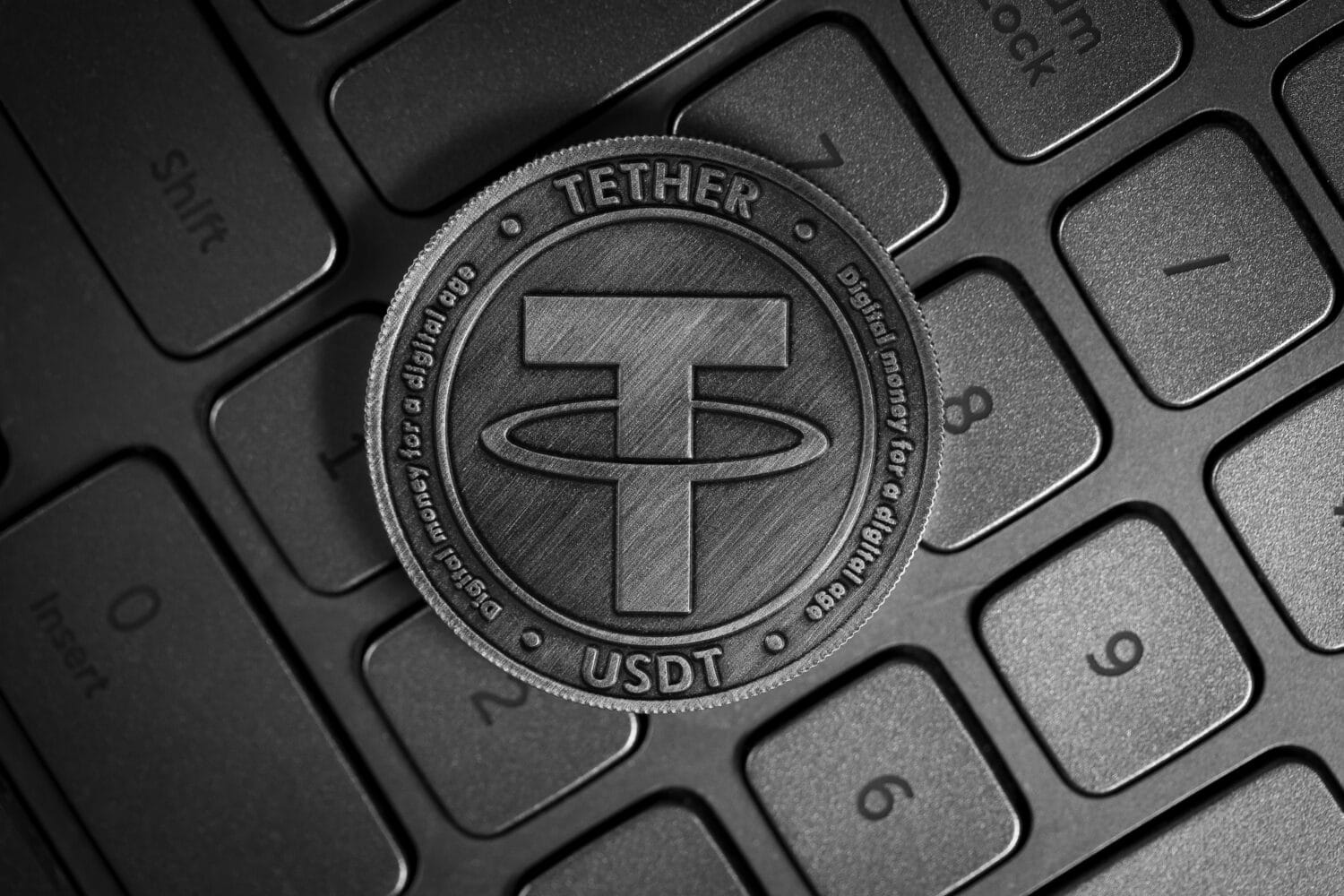
EU Access to USDT Remains Restricted Recent guides on buying USDT in the EU highlight that access remains complex following ESMA deadlines and MiCA enforcement. Platforms like Coinbase and Kraken have had to adjust their offerings, with some routes remaining open while others are restricted due to compliance gaps.



Regulatory & Compliance Tracker
EU MiCA Enforcement Impact The EU's Markets in Crypto-Assets (MiCA) regulation continues to reshape the stablecoin market. Tether has not received MiCA authorization, leading to its delisting from major EU-regulated venues. The "grandfathering window" closed on July 1, 2026, making it unworkable for Treasury-backed issuers like Tether to meet strict 60% deposit requirements, effectively clearing the field for compliant issuers like Circle.
GENIUS Act Compliance Standards In the US, the GENIUS Act of 2025 provides the legal framework for payment stablecoins, requiring them to be backed by specific reserves. The Bank Policy Institute notes that DeFi stablecoin yields are often "disconnected from reality" because they do not always align with the strict reserve requirements mandated for compliant payment stablecoins under the Act.
On-Chain & DeFi Pulse
Usage Outpaces Supply Growth Data from CoinDesk Research indicates that while stablecoin supply has remained relatively flat (rising just 1.0% to $306B through September), adjusted monthly transfer volume climbed 41.4%. This suggests that existing stablecoins are being used more frequently rather than new capital flowing into the market at the same rate.
Yield Mechanisms Diversify The yield landscape is diversifying beyond simple lending. Ethena’s sUSDe, a yield-bearing stablecoin, utilizes a delta-neutral basis trade to generate returns, differing significantly from traditional interest-bearing models. Meanwhile, PayPal pays PYUSD rewards directly, not through on-chain protocols, creating a distinct yield profile for retail users.
Analysis: What It Means
The stablecoin market is entering a phase of "regulated expansion." The contrast between Standard Chartered’s bullish $2 trillion forecast and the immediate reality of regulatory friction illustrates this tension. While the long-term trajectory points toward mass adoption, the short-term environment is defined by strict compliance boundaries, particularly in the EU where MiCA has effectively sidelined unauthorized issuers like Tether from retail venues.
The massive freezes by Tether and Circle following the Binance hack underscore a critical narrative shift: stablecoins are no longer viewed purely as decentralized instruments but as regulated assets with centralized kill-switches. This centralization is a double-edged sword—it provides security against hacks but introduces counterparty risk that self-custody advocates are increasingly wary of. The ability to freeze $2.3 billion in hours demonstrates the operational power of these issuers, likely influencing institutional adoption positively while potentially driving niche users toward decentralized alternatives like DAI or newer L1-native stablecoins.
Furthermore, the decoupling of supply growth from transaction volume suggests market maturity. Users are leveraging existing liquidity more efficiently rather than speculating on new inflows. This efficiency, combined with the clear regulatory lines drawn by the GENIUS Act and MiCA, indicates that the next wave of growth will come from utility and integration into traditional finance rails, rather than speculative trading.
What to Watch Next
- MiCA Compliance Audits: Continued scrutiny of EU-listed stablecoins to ensure adherence to reserve requirements, particularly for issuers attempting to enter the market via new licenses.
- Standard Chartered Follow-up: Monitoring institutional flows as banks begin to act on the $2 trillion forecast by integrating compliant stablecoins into treasury operations.
- DeFi Yield Regulation: Potential regulatory responses to "yield-bearing" stablecoins like sUSDe, which may face stricter oversight under the GENIUS Act if deemed securities-like.
- New L1 Chains: Adoption rates of dollar-native blockchains like Plasma and Tempo, which aim to compete with Ethereum and Tron for stablecoin settlement.
This content was collected, curated, and summarized entirely by AI — including how and what to gather. It may contain inaccuracies. Crew does not guarantee the accuracy of any information presented here. Always verify facts on your own before acting on them. Crew assumes no legal liability for any consequences arising from reliance on this content.
Powered by
