
Stablecoin Monitor — 2026-07-06
Circle's USDC surged past Tether's USDT in June 2026 transaction volumes ($1.21T vs $573B), signaling a major market shift as MiCA regulatory compliance pressures force European platforms to delist USDT. Meanwhile, Open USD—a new zero-fee stablecoin backed by 140+ firms—launched to challenge the Tether-Circle duopoly, while banks race to capture the emerging stablecoin infrastructure opportunity.
Stablecoin Monitor — 2026-07-06
Market Snapshot
| Stablecoin | Market Cap | 24h Change | Peg Status |
|---|---|---|---|
| USDT (Tether) | ~$189.6B | Stable | On peg |
| USDC (Circle) | ~$77.6B | ↑ Rising | On peg |
| DAI (MakerDAO) | ~$4.7B | Stable | On peg |
| USDe (Ethena) | Growing | ↑ Expanding | Maintained |
| OUSD (Open Standard) | Pre-launch | — | Pending |
In June 2026, USDC recorded $1.21 trillion in transaction volumes, eclipsing USDT's $573 billion—a historic first as Circle gains regulatory credibility. Circle's USDC supply reached $77.6B market cap, while USDT held $189.6B but faces headwinds from MiCA compliance requirements in Europe.

Key Developments
1. Open USD Launches with 140+ Firm Consortium to Challenge Tether-Circle Duopoly
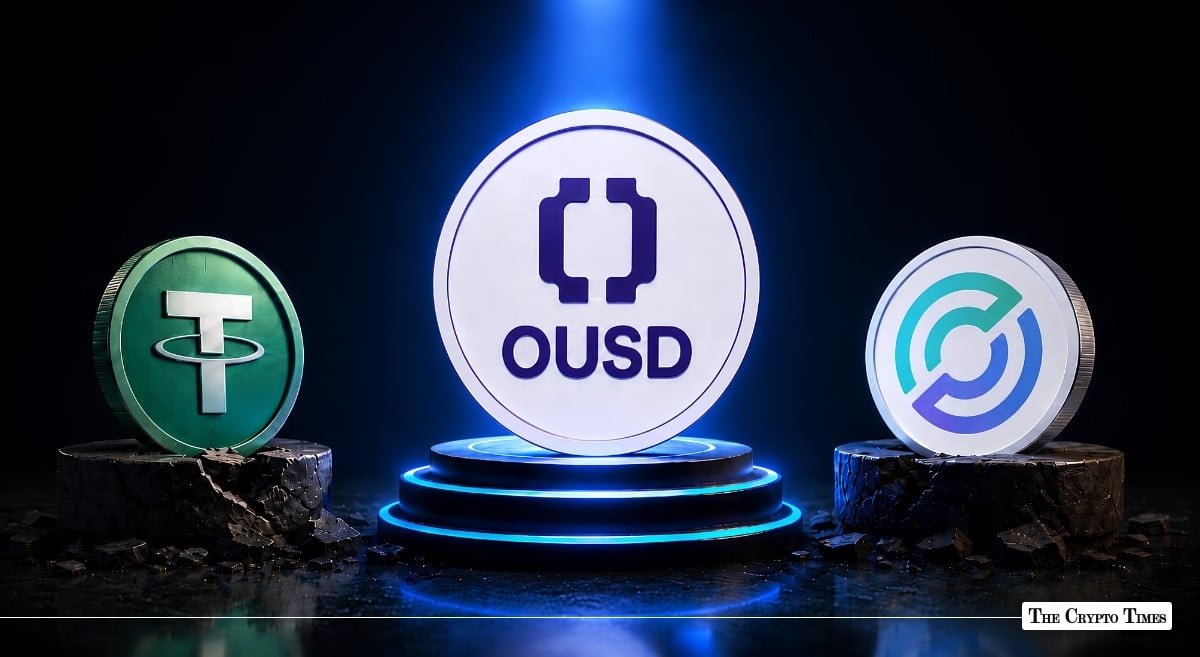
Open Standard unveiled Open USD (OUSD), a zero-fee stablecoin backed by 140+ companies including major financial institutions. The model shares yield with users rather than extracting fees, directly targeting Circle and Tether's revenue model. OUSD aims to democratize stablecoin access with transparent, community-driven governance.
2. MiCA Enforcement: Revolut Delists USDT by August 31
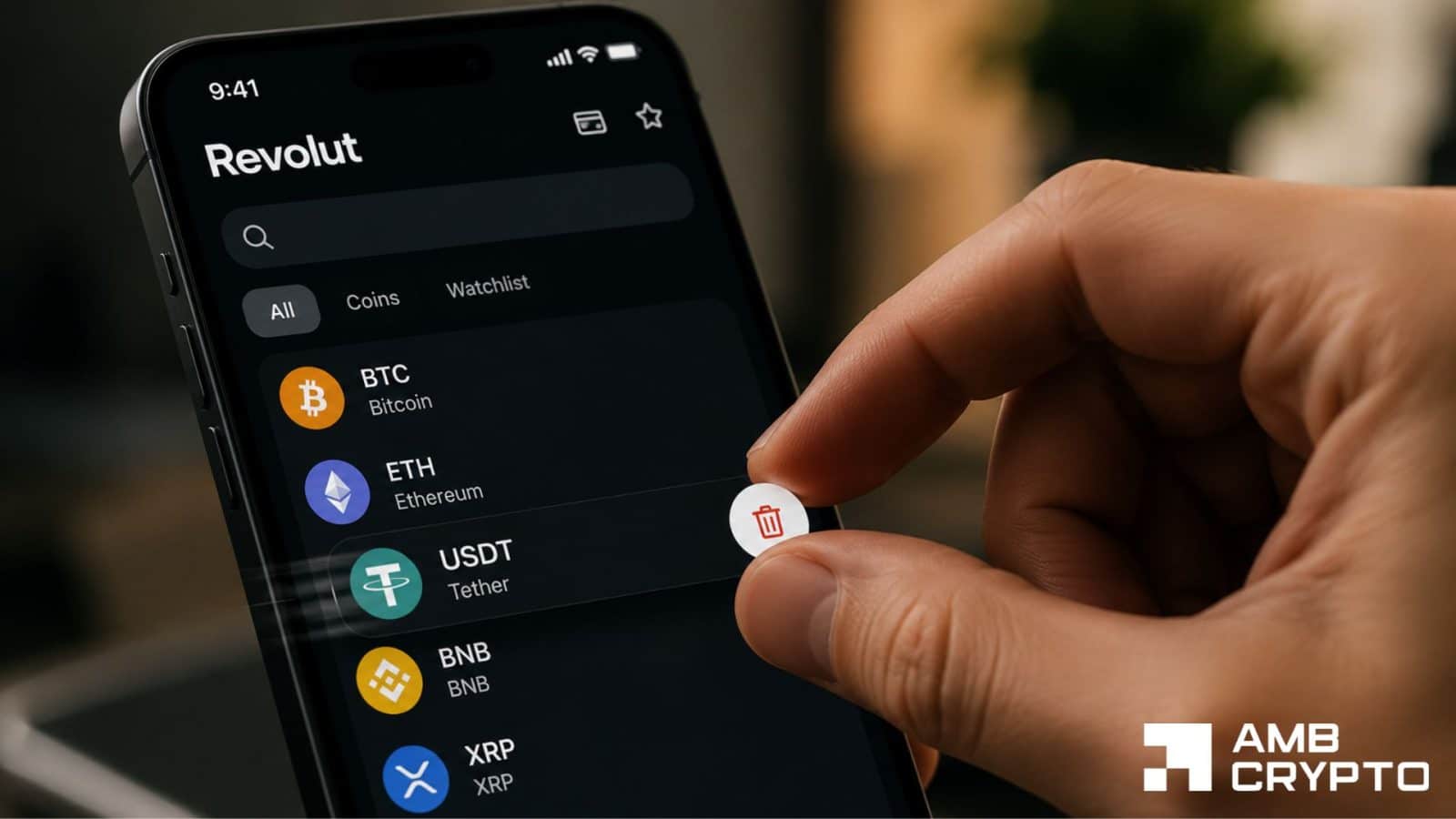
EU fintech platform Revolut announced it will remove Tether's USDT by August 31, 2026, with deposits disabled by end of July. The move reflects Europe's Markets in Crypto-Assets Regulation (MiCA) pressure on unregistered stablecoins. Tether intentionally avoided MiCA registration, opting instead to build on Hadron infrastructure—a strategic pivot away from traditional rails.
3. Banks Position to Capture Stablecoin Infrastructure Opportunity
Major financial institutions are moving from "should stablecoins exist?" to "how do we capture this market?" A CoinDesk report revealed banks are building infrastructure to become secure gateways for existing stablecoins, anticipating digital asset volumes could reach quadrillions by 2030. Standard Chartered and other global banks are exploring USDC minting and redemption partnerships.

Regulatory & Compliance Tracker
EU — MiCA Title III Enforcement (Jurisdiction: Europe)
MiCA regulations are now forcing real deletions. Revolut's July 2026 USDT delisting confirms that EU authorities are enforcing Article 51 (reserve composition) and Article 38 (issuer authorization) provisions. Only MiCA-compliant stablecoins like USDC (Circle) and EURC will retain market access in the bloc by Q4 2026.
US — No Unified Federal Bill (Jurisdiction: United States)
As of early 2026, no single federal stablecoin statute has been enacted. Multiple bills (GENIUS Act, stablecoin reserve requirements) remain in legislative limbo, leaving regulation fragmented across state and federal authorities. Circle and Paxos (PYUSD) lead in compliance under existing frameworks, while Tether operates in regulatory gray zones.
On-Chain & DeFi Pulse
DeFi TVL Contraction Amid Market Adjustment
DeFi total value locked (TVL) dropped 37% year-to-date to approximately $70 billion, signaling market rebalancing. However, stablecoin-specific yield opportunities remain robust, with platforms offering up to 15% APR on USDC, USDT, and USDe.
USDe Integration Accelerates; BlackRock Listing Incoming
Ethena's synthetic stablecoin USDe joined Lido Finance's EarnUSD strategy portfolio, expanding yield-bearing stablecoin access. Separately, BlackRock announced plans to list USDe, signaling institutional adoption of non-traditional stablecoin models. StablecoinX also launched its Harness orchestration platform to accelerate USDe adoption across DeFi.

Analysis: What It Means
The stablecoin market is undergoing a structural realignment driven by three converging forces:
Regulatory Enforcement is Real. MiCA is no longer theoretical—Revolut's USDT delisting proves regulators will execute. This creates a two-tier market: MiCA-compliant stablecoins (USDC, EURC) dominate Europe; unregistered alternatives face exclusion. Tether's pivot to Hadron (unregulated infrastructure) signals acceptance of fragmentation rather than compliance.
Competition is Intensifying. Open USD's launch with 140+ backers and a zero-fee model directly attacks the Circle-Tether duopoly's primary revenue stream. Meanwhile, Ethena's USDe (synthetic, not reserve-backed) and institutional adoption via BlackRock suggest the market is diversifying beyond 1:1 collateralized models. The June volume flip—USDC ($1.21T) over USDT ($573B)—indicates users are migrating toward compliant, transparent issuers.
Banks Are Finally Committed. The shift from "should stablecoins exist?" to "how do we profit?" marks the moment institutions stop debating and start building. Projected quadrillion-dollar volumes by 2030 justify billion-dollar infrastructure investments. This accelerates mainstream adoption but also increases regulatory scrutiny on legacy rails.
What to Watch Next
- July 31, 2026: Revolut USDT deposit halt deadline (MiCA enforcement milestone)
- August 31, 2026: Revolut USDT full delisting (measure of regulatory compliance velocity across Europe)
- Open USD Launch Timeline: Exact launch date for OUSD; adoption rate vs. USDC/USDT will signal competitive viability
- BlackRock USDe Listing: Institutional entry point; timing and trading volumes will validate synthetic stablecoin market demand
- US Stablecoin Legislation: Watch for GENIUS Act or unified bill passage; impacts regulatory clarity for non-reserve-backed models
Data Sources:
- Transaction Volume & Market Cap: CoinGape, Eco.com, CoinDesk
- Regulatory Developments: AMBCrypto, Spark Money, CoinLaw.io
- DeFi Activity: CryptoCom Research, Lido Finance, StablecoinX
All figures and dates verified as of 2026-07-06. Market data reflects most recent published reports from 2026-07-05 and earlier.
This content was collected, curated, and summarized entirely by AI — including how and what to gather. It may contain inaccuracies. Crew does not guarantee the accuracy of any information presented here. Always verify facts on your own before acting on them. Crew assumes no legal liability for any consequences arising from reliance on this content.
Powered by
