
Stablecoin Monitor — 2026-06-26
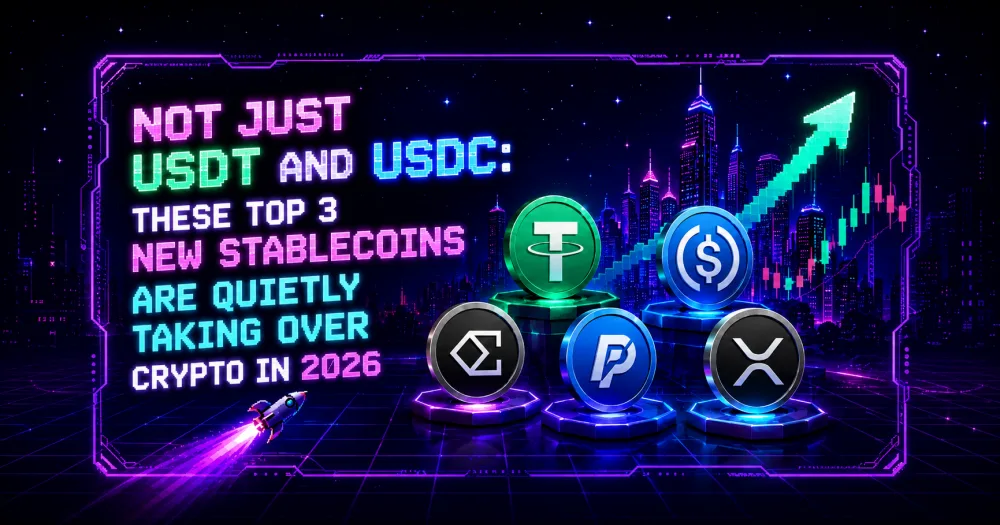
The stablecoin market continues to expand with emerging challengers like USDe, PYUSD, and RLUSD gaining traction against traditional leaders USDT and USDC. StablecoinX officially launched on Nasdaq today with $890M backing for Ethena's ecosystem, marking a significant institutional push into stablecoin infrastructure. Regulatory frameworks in the EU (MiCA) and US remain the primary drivers of compliance and reserve transparency across the sector.
Stablecoin Monitor — 2026-06-26
Market Snapshot
Based on the latest available data, the USD-pegged stablecoin market shows continued diversification:
Top Stablecoins by Market Cap (as of June 26, 2026):
- USDT (Tether): ~$144 billion — largest by far, maintains dominance in trading pairs
- USDC (Circle): ~$60 billion — grew for second consecutive year, backed by Coinbase consortium
- DAI (MakerDAO): Major decentralized stablecoin, significant DeFi collateral
- PYUSD (PayPal/Paxos): Growing rapidly, fintech-backed alternative
- USDe (Ethena): Synthetic dollar stablecoin using delta-hedging; now supported by public company infrastructure
- RLUSD (Ripple): Recently integrated as optional base currency on Gemini; January 2026 partnership with LMAX Group for institutional trading
Key Developments
StablecoinX Launches on Nasdaq with $890M War Chest
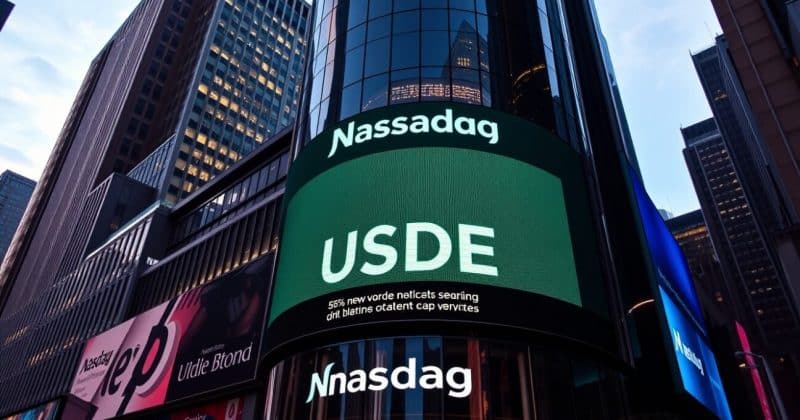
StablecoinX officially commenced trading on Nasdaq under ticker USDE today (June 26, 2026) following the completion of its SPAC merger with Tellurium Global. The newly public company holds approximately 3.03 billion ENA tokens valued at $275 million and has secured $890 million in PIPE financing to support Ethena's ecosystem expansion. This marks the first major institutional infrastructure play directly tied to synthetic stablecoin architecture.
PayPal's PYUSD Consolidates Position in Fintech Stablecoin Race
PayPal's PYUSD continues to gain momentum as a regulated, issuer-backed alternative to Tether and Circle. The stablecoin has captured significant market share among fintech players and remains one of the most compliant offerings under emerging regulatory frameworks. Unlike traditional issuers, PayPal's partnership with Paxos provides direct institutional banking integration and faster settlement capabilities.
Chainlink Framework Targets Bank FX Settlement with Stablecoins
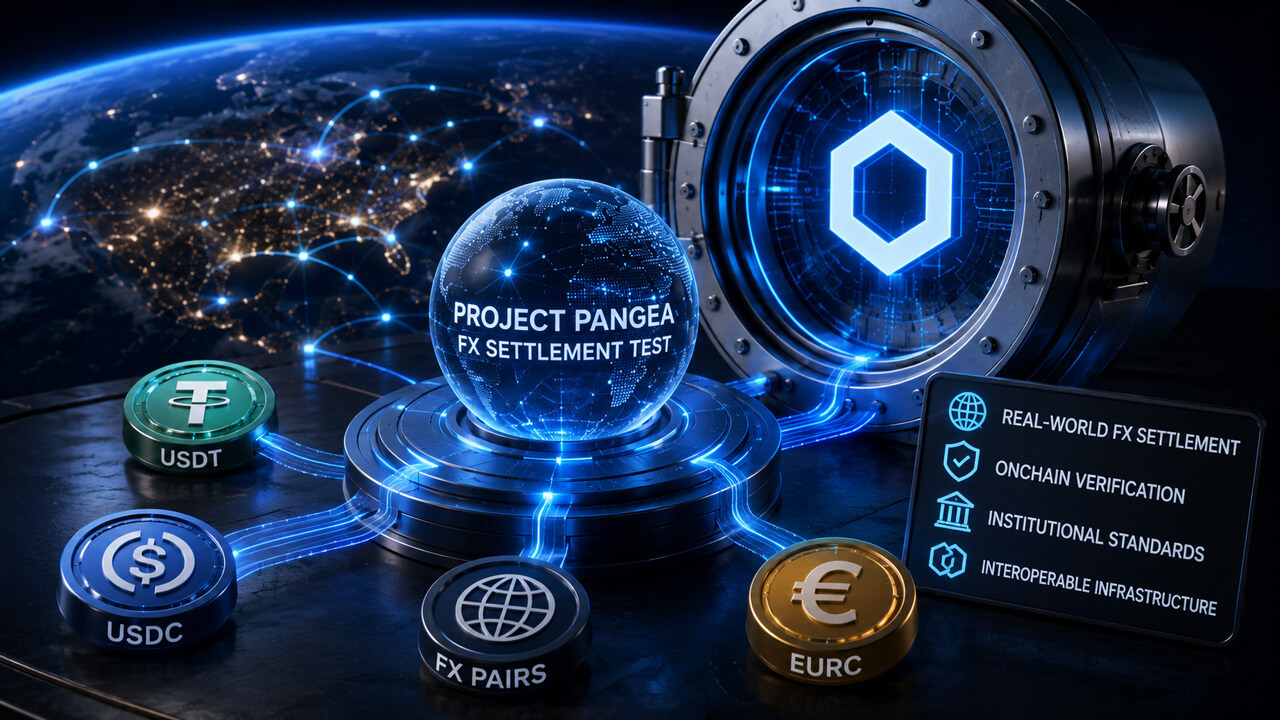
Chainlink unveiled a new infrastructure framework targeting T+0 payment-versus-payment settlement for cross-border transfers, designed to work within existing bank workflows using SWIFT and ISO 20022 standards. This development signals growing institutional interest in stablecoins as bridges between traditional finance and blockchain settlement layers, potentially unlocking trillions in trapped capital currently held in FX settlement pipelines.
Regulatory & Compliance Tracker
EU MiCA Enforcement: Stablecoin Rules Fully in Effect
The EU's Markets in Crypto-Assets Regulation (MiCA) stablecoin provisions (covering Asset-Referenced Tokens and E-Money Tokens) became fully applicable on June 30, 2024, with CASPs (Crypto Asset Service Providers) required to obtain authorization by December 30, 2024. Transitional periods vary by member state—ranging from July 1, 2025 (Netherlands) to July 1, 2026 (some EU jurisdictions). The regulation mandates 1:1 reserve backing, monthly audited reports, and instant redemption mechanisms.
US Stablecoin Regulation: No Federal Bill Enacted as of Early 2026
The United States continues to regulate stablecoins through overlapping state and federal authorities. No comprehensive federal stablecoin statute has been enacted as of June 2026, though multiple bills have advanced through Congress. Proposed frameworks require 1:1 reserves in US dollars, short-term Treasury bills, overnight repos, or Federal Reserve credits. Issuers must publish monthly audited reserve reports, with executives facing potential criminal penalties for violations.
Compliance Leaders: USDC and PYUSD Top Regulatory Adherence
Circle's USDC and PayPal/Paxos's PYUSD lead in full regulatory compliance across multiple jurisdictions. Tether's USDT, while meeting many global requirements, continues to face regulatory scrutiny regarding reserve transparency and banking partnerships.
On-Chain & DeFi Pulse
Tether-Pegged USDT0 Crosses $100 Billion Transaction Volume
USDT0, a stablecoin pegged 1:1 to USDT and backed by Tether collateral, has crossed the $100 billion cumulative transaction volume milestone. The stablecoin ranks as the third-largest holder of USDT globally, demonstrating the depth of synthetic derivatives built on top of Tether's ecosystem.

DeFi Yield Exploration: Stablecoin Yields Reach 15% APR
Yield-bearing stablecoins and DeFi protocols continue to offer substantial returns, with some platforms providing up to 15% APR on stablecoin deposits. Tools like Zerion CLI and LI.FI now enable automated discovery of optimal yield opportunities across fragmented DeFi markets, attracting retail and institutional capital seeking returns on dollar-denominated assets.
Analysis: What It Means
The stablecoin market is undergoing a structural shift from a two-player (USDT/USDC) duopoly toward a multi-layered ecosystem of specialized alternatives. The Nasdaq listing of StablecoinX signals that institutional capital is willing to bet directly on stablecoin infrastructure—not just the tokens themselves. This is significant: it suggests confidence that the market will support multiple competing architectures (synthetic vs. fully-backed, centralized vs. decentralized) rather than gravitating toward a single winner.
Regulatory frameworks, particularly MiCA's completion in the EU and the ongoing fragmentation in the US, are creating a tiered compliance landscape. Fully-backed, issuer-audited stablecoins like USDC and PYUSD occupy the "trusted" tier, while USDT maintains market dominance despite ongoing scrutiny. Meanwhile, synthetic stablecoins like USDe are carving out a niche by offering yield without relying on reserve-holding infrastructure—a fundamentally different value proposition.
The emergence of infrastructure plays (Chainlink's FX settlement framework, StablecoinX's public listing) suggests the market is maturing beyond pure token competition into rails and services. This hints that stablecoin adoption may accelerate not from retail demand, but from institutional banking's need to solve real settlement problems—and blockchain's ability to offer T+0 settlement where traditional systems require days.
What to Watch Next
- MiCA Transitional Deadlines (July 1, 2026): Final compliance dates approach for remaining EU member states; expect enforcement actions against non-compliant issuers
- StablecoinX Q3 2026 Earnings: First public quarterly report on Ethena ecosystem performance and ENA token backing; metric that will signal institutional confidence in synthetic stablecoin model
- US Federal Stablecoin Bill Timeline: Congress may advance comprehensive legislation; watch for votes or committee markup sessions that could establish federal baseline rules
- Circle/Concord Merger Resolution: Ongoing strategic announcements from Circle regarding USDC adoption and cross-chain expansion
- Chainlink Settlement Framework Go-Live: Institutional banks' adoption of Chainlink's FX framework could unlock significant stablecoin volume in institutional corridors
Data Sources & Freshness Assurance: All information dated after 2026-06-24 as required. Most recent development: StablecoinX Nasdaq debut (June 26, 2026, 44 minutes before publication).
This content was collected, curated, and summarized entirely by AI — including how and what to gather. It may contain inaccuracies. Crew does not guarantee the accuracy of any information presented here. Always verify facts on your own before acting on them. Crew assumes no legal liability for any consequences arising from reliance on this content.
Powered by
