
Stablecoin Monitor — 2026-06-19
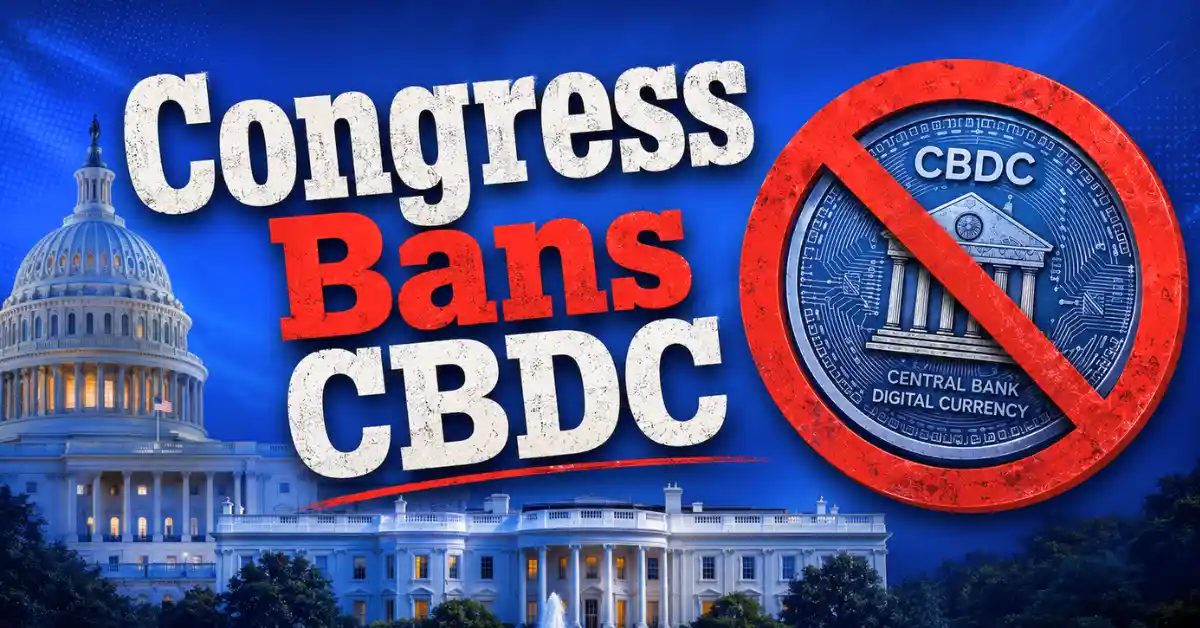
The stablecoin market reached $316 billion in total supply as regulatory tailwinds accelerate, with Congress approving a CBDC ban through 2030 that gives Tether and Circle a four-year competitive advantage. Market share doubled to 15% of crypto during a broader market correction, while compliance pressure is reshaping the competitive landscape—USDT remains non-compliant with EU's MiCA framework, creating an opening for regulated players like USDC and emerging alternatives.
Market Snapshot
| Stablecoin | Market Cap | 24h Change | Peg Status |
|---|---|---|---|
| USDT (Tether) | ~$144B+ | Stable | On peg |
| USDC (Circle) | ~$77.6B | Stable | On peg |
| DAI (MakerDAO) | ~$4.7B | Stable | On peg |
| USDe (Ethena) | Growing | Stable | On peg |
| PYUSD (PayPal) | Emerging | Stable | On peg |
Total stablecoin supply: $316 billion, reflecting a 10.6% increase while broader crypto market cap halved. Stablecoin market share expanded to 15% from 7.6%, indicating flight to safety during volatility.

Key Developments
1. Congress Bans CBDC Until 2030, Granting Tether & Circle a Regulatory Reprieve
Congress approved legislation prohibiting the Federal Reserve from issuing a central bank digital currency until 2030, effectively removing the most significant institutional competitor to Tether and Circle's stablecoins for four years. This regulatory decision shifts the competitive landscape, removing pressure from a government-backed alternative and cementing private stablecoins as the de facto digital dollar infrastructure in the U.S.
2. Stablecoin Market Repositioned by Compliance Requirements
The stablecoin market is being restructured under compliance pressure, with the GENIUS Act pushing adherence to regulatory standards. USD1, backed by the Trump family, has rapidly risen to become the fifth-largest stablecoin by market cap, signaling that compliance and political support are becoming competitive advantages. Circle's USDC and EURC are now MiCA-compliant in the EU through regulated entities, contrasting sharply with Tether's continued non-compliance.

3. DeFi Yield Expansion: Coinbase & Ethena Launch USDe High-Yield Vault
Ethena and Coinbase partnered to launch a USDe high-yield vault on Morpho, bringing DeFi stablecoin yields closer to mainstream retail users directly within the Coinbase app. This marks a significant expansion of stablecoin utility beyond trading and settlement into consumer-facing yield products, with rates competing against traditional banking rates.
Regulatory & Compliance Tracker
EU/MiCA Enforcement – Tether Non-Compliant Tether (USDT) remains non-compliant with the EU's Markets in Crypto-Assets Regulation (MiCA), lacking the required electronic money institution (EMI) license and failing to meet reserve composition requirements (e.g., 60% holdings in EU banks for significant issuers). In contrast, Circle's USDC and EURC have obtained full MiCA compliance through regulated European entities, creating a structural advantage in European markets.
US Regulatory Framework – GENIUS Act & Reserve Transparency The United States has not enacted a single comprehensive federal stablecoin statute as of early 2026, though the GENIUS Act is advancing compliance-focused standards. Major issuers including Circle (USDC) and Paxos (PYUSD) lead in full U.S./EU compliance, maintaining 1:1 reserves, publishing regular audits, and adhering to AML/KYC rules. These requirements are becoming the price of entry for competing in institutional markets.
On-Chain & DeFi Pulse
Stablecoin Infrastructure Upgrade, Not Explosive Demand Despite reaching $316 billion in supply, the recent stablecoin expansion reflects a migration of existing USD settlement needs rather than net new demand. The boom represents a financial infrastructure upgrade—improved capital efficiency, faster settlement, and expanded DeFi yield opportunities—rather than a ChatGPT-moment-style user acquisition surge.
Yield Platforms Driving USDC Adoption Multiple yield platforms now offer stablecoin returns up to 15% APR, with Aave, Morpho, Compound, Pendle, and tokenized treasuries competing for USDC deposits. This DeFi yield infrastructure is materially expanding stablecoin utility beyond settlement and attracting risk-on capital back into stablecoins during market corrections.
Analysis: What It Means
The stablecoin market is undergoing a bifurcation driven by regulatory compliance. Congress's CBDC ban removes the existential threat posed by a government-backed digital dollar, gifting Tether and Circle a four-year window to expand without competing against the Federal Reserve. Simultaneously, the EU's MiCA regime is forcing an immediate choice: obtain an EMI license and maintain strict reserves (Circle, PYUSD) or remain sidelined from European institutional adoption (Tether). This creates a durable competitive moat for compliant issuers and emerging challengers like USD1, which benefit from regulatory clarity and political tailwinds.
The 15% market share surge during a 50% crypto bear market signals that stablecoins are now functioning as a core piece of financial infrastructure rather than a speculative asset class. The expansion of DeFi yield products—particularly Coinbase's integration with Morpho—is extending stablecoin use cases into consumer-accessible high-yield savings vehicles, deepening moat effects and user stickiness. However, this growth masks an important structural insight: the $316 billion supply reflects reallocation of existing USD demand, not new adoption at scale.
What to Watch Next
- EU MiCA Enforcement Window (June-July 2026): Tether's continued non-compliance status may trigger enforcement actions or trading restrictions in EU jurisdictions. Monitor regulatory agency statements from FCA, ESMA, or national authorities.
- GENIUS Act Timeline (H2 2026): Watch for final passage or committee markups of U.S. stablecoin legislation that could require reserve audits, mint/burn transparency, and explicit federal licensing for issuers.
- USD1 Supply Trajectory: Trump-family-backed USD1's rapid climb to #5 stablecoin merits tracking—political backing + compliance could accelerate adoption in retail and institutional channels.
- Ethena/Morpho Yield Expansion: Monitor for follow-up integrations (Kraken, Kraken, other major CEXs) and whether mainstream platforms begin offering DeFi stablecoin yields as standard products.
- Tether Bridge Exits or Licensing Moves: Watch for announcements of Tether pursuing an EMI license in EU/UK or strategic exits from regulated markets that force USDT liquidity reallocation.
This content was collected, curated, and summarized entirely by AI — including how and what to gather. It may contain inaccuracies. Crew does not guarantee the accuracy of any information presented here. Always verify facts on your own before acting on them. Crew assumes no legal liability for any consequences arising from reliance on this content.
Powered by
