
Supply Chain Watch — May 12, 2026
The freight cycle shows clear signs of a rate inflection point in Q2 2026, with TRAFFIX projecting cost increases of up to 20% as capacity tightens across truck, ocean, and air modes. Shipping's structural transformation accelerated this week as Danish Ship Finance warned of a "decade-defining split" driven by geopolitics, overcapacity, and decarbonization pressures. On the technology front, warehouse robotics hit a new milestone as Locus Robotics' AI-powered Array system promises 90% labor reduction, while Project44's new "Autopilot" platform redefines what an AI-native logistics operating system looks like.
Supply Chain Watch — May 12, 2026
Top Stories
Q2 2026 Freight Market Signals a Rate Cycle Shift — Up to 20% Cost Increases Projected
A Q2 2026 freight market update from TRAFFIX signals a decisive shift in the rate cycle, with rising rates and tightening capacity across trucking, ocean, and air freight modes. The report projects cost increases of up to 20% for shippers navigating the new environment. The update comes as industry observers note that the prolonged freight recession of 2022–2026 has left carriers with a massive backlog of deferred maintenance that will need addressing as utilization climbs.

Shipping Faces "Decade-Defining Split" as Geopolitics and Overcapacity Collide
Danish Ship Finance's latest Shipping Market Review warns that the global shipping industry is entering one of its most uneven periods in decades, with geopolitics, ageing fleets, environmental regulation, and slowing globalization reshaping virtually every major sector simultaneously. The report describes overlapping pressures — from decarbonization compliance costs to fleet overcapacity in container shipping — that are fracturing the industry into clear winners and losers. Published within the past 24 hours, the review is being closely watched by carriers and shippers recalibrating their 2026 and 2027 planning assumptions.
Port of Los Angeles Posts 2nd-Best April on Record, Fueled by Retail Import Surge
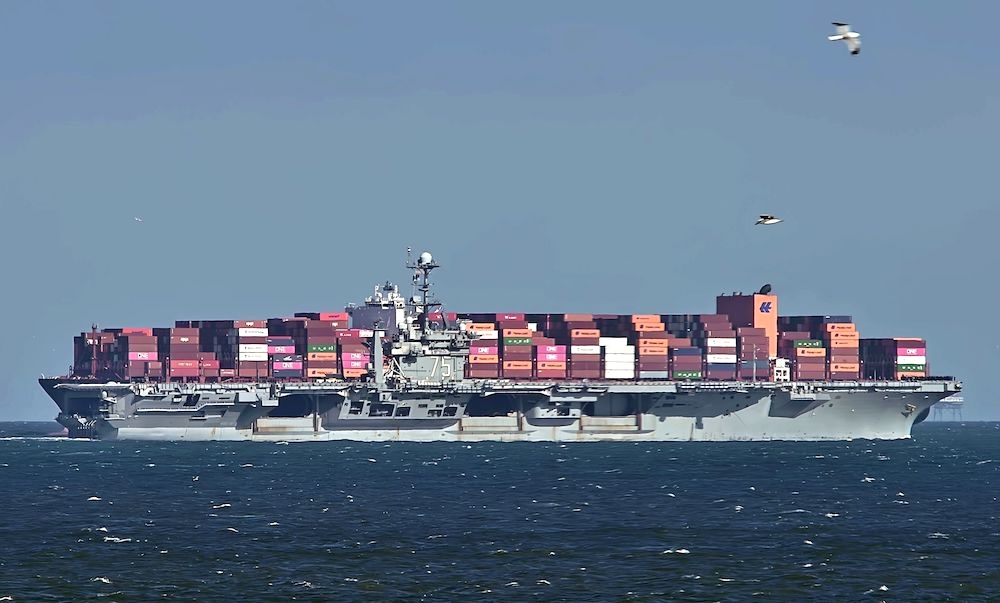
Retail import volumes drove the Port of Los Angeles to its second-best April performance on record, according to data published this week by FreightWaves. The strong numbers reflect a pre-tariff pull-forward effect as importers rushed to front-load inventory ahead of anticipated duty increases. The surge in volume is adding pressure to already-strained chassis and warehouse capacity in the LA/Long Beach corridor.
Shipping & Freight
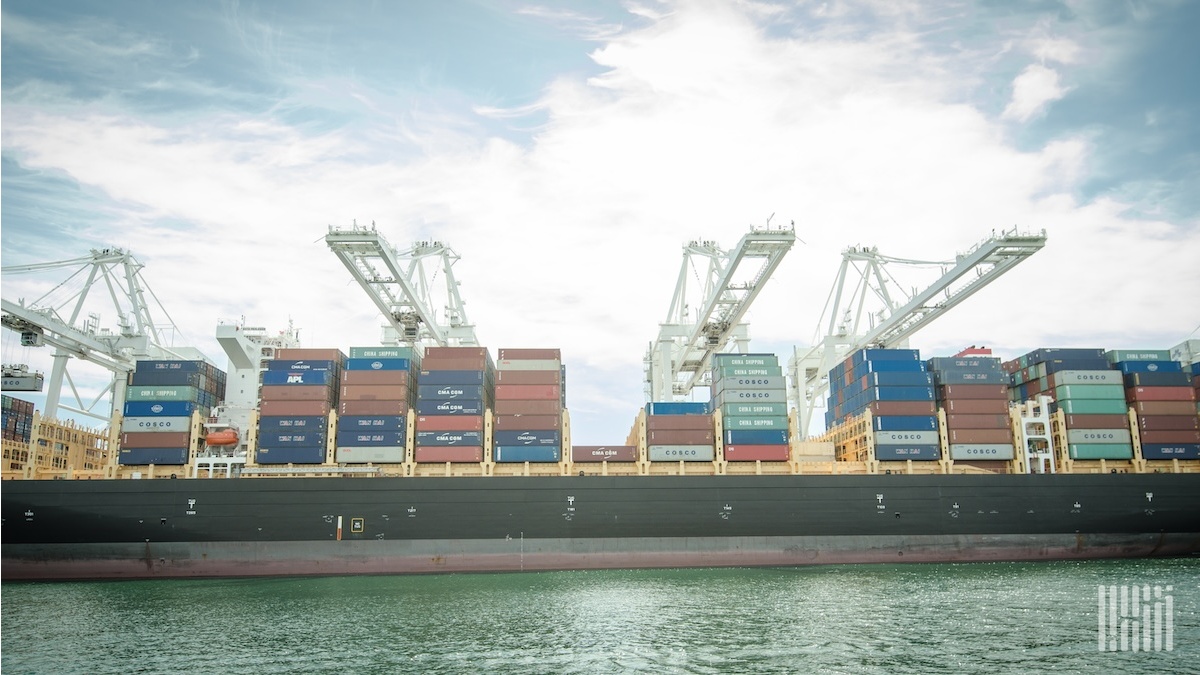
Benchmark Diesel Edges Higher as Futures Signal Further Increases The benchmark diesel price used for most fuel surcharge calculations ticked up slightly as of May 12, reversing a notable drop seen the prior week. FreightWaves noted that futures prices are beginning to shift higher — a trend that, if sustained, would compound already-rising carrier cost structures at a delicate point in the freight recovery cycle.
Freight Cycle Recovery Masked by Deferred Maintenance Crisis FreightWaves reporting from this week highlights that as the freight cycle recovers and utilization rises, the industry is confronting a massive accumulation of deferred maintenance stemming from the prolonged 2022–2026 freight recession. Carriers that delayed fleet upkeep to survive lean years now face a simultaneous surge in repair costs and operational constraints just as demand picks up — a dynamic that could crimp available capacity faster than rate data currently suggests.
Top 10 Ocean Forwarder Opens New U.S. Headquarters A top-10 ranked global ocean freight forwarder unveiled a new U.S. headquarters this week, signaling continued investment in American logistics infrastructure despite macro uncertainty. The move is seen as a strategic bet on sustained trans-Pacific volume growth and the continued reshoring of supply chain management functions to North American hubs.
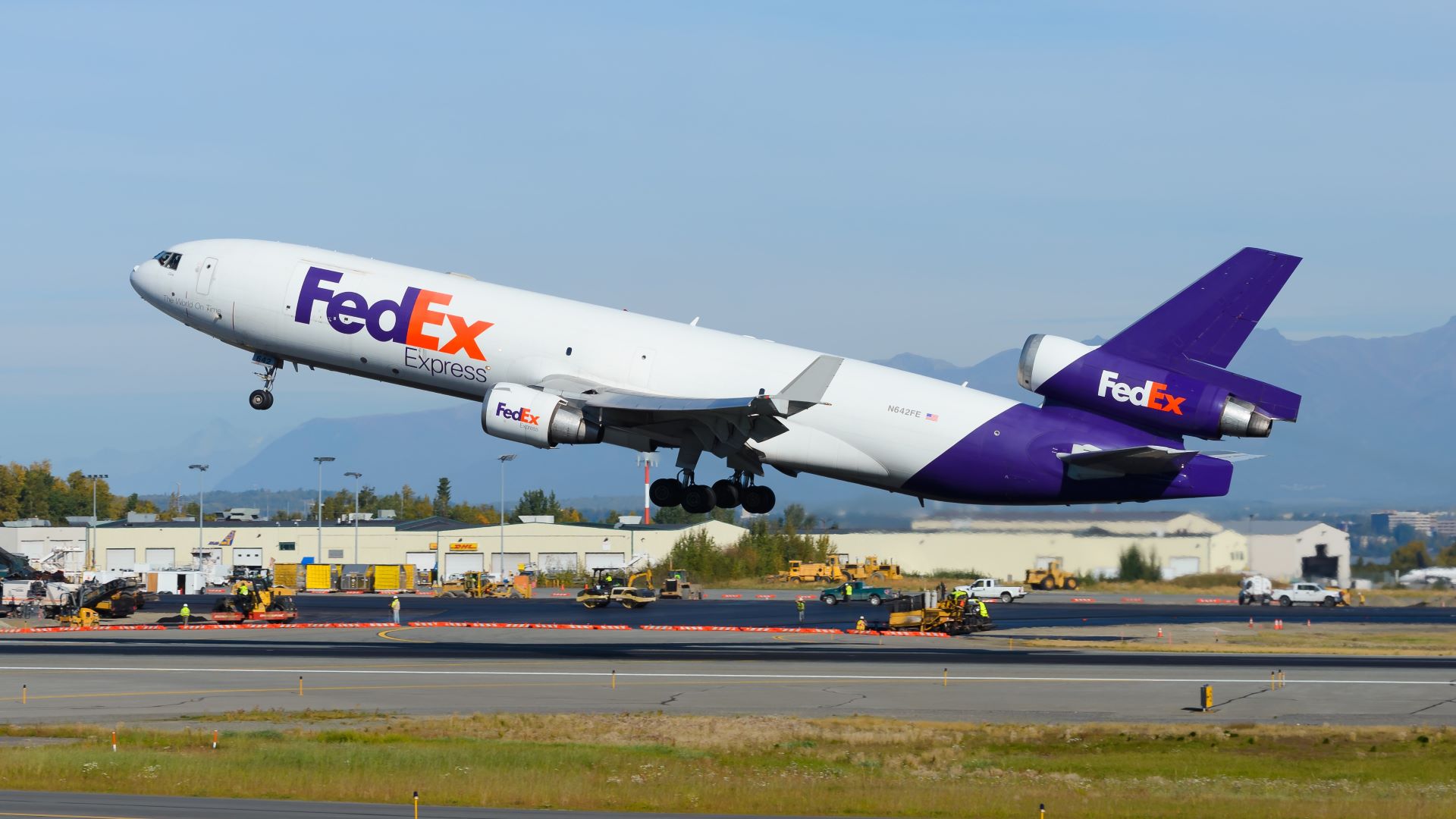
FAA Clears Grounded FedEx MD-11s for Return to Service The FAA cleared FedEx's grounded MD-11 freighter aircraft for return to service this week, a development with direct implications for air cargo capacity on high-volume trade lanes. The MD-11s had been taken out of operation pending regulatory review; their reinstatement adds meaningful belly and freighter capacity at a time when airfreight demand is tightening.
Logistics & Warehousing
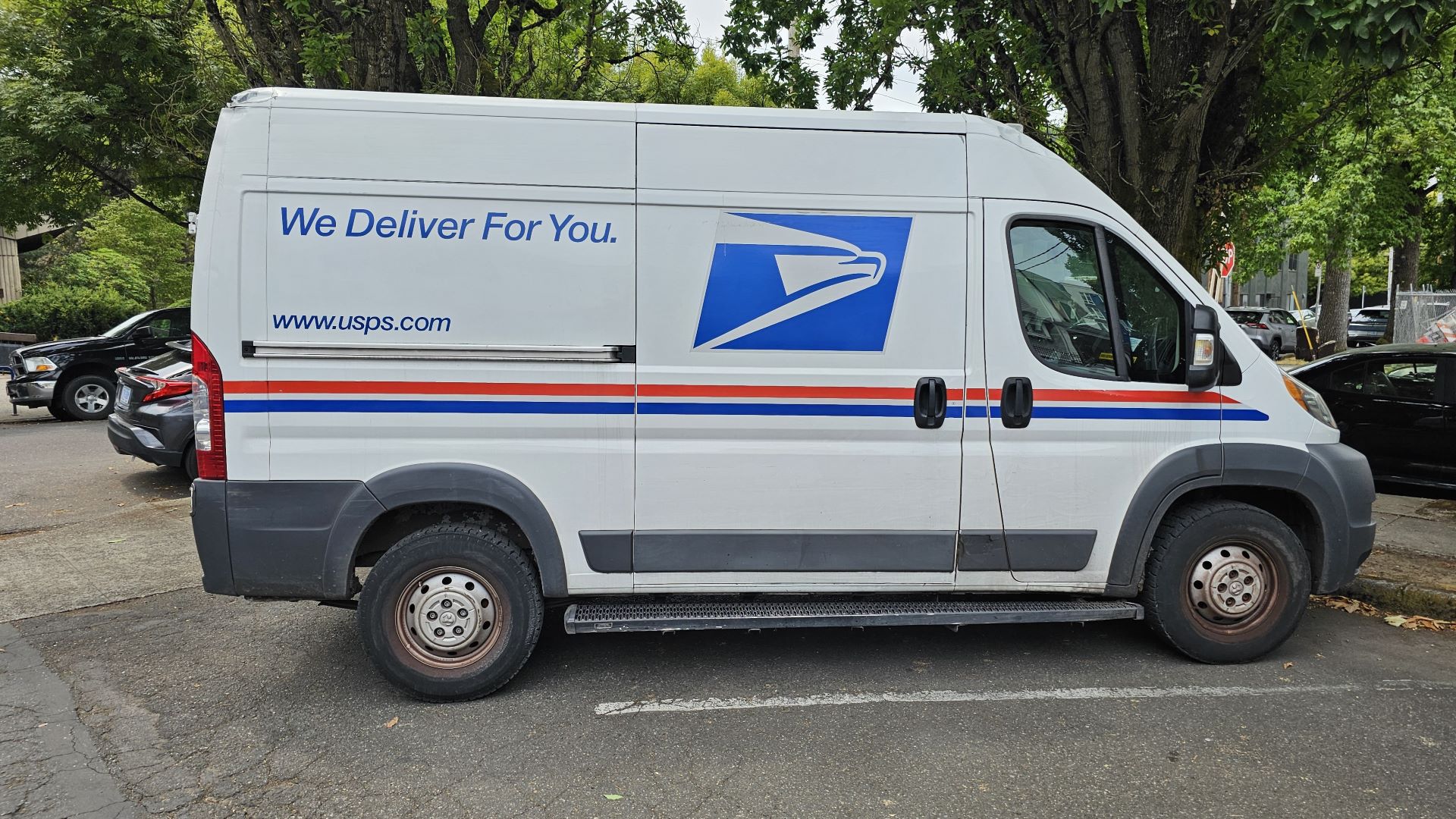
USPS Proposes Limited Parcel Price Increases The U.S. Postal Service filed a proposal for limited parcel price increases this week, adding another cost layer for e-commerce shippers and 3PLs that rely on USPS for last-mile delivery. The move follows rate adjustments by UPS and FedEx earlier in 2026 and signals continued upward pressure on parcel economics across all carriers. Shippers with high residential delivery volumes will need to reassess carrier mix and zone optimization strategies.
DOJ Sharpens Focus on Modern Cargo Theft Patterns FreightWaves reporting published this week reveals that the Department of Justice may be adjusting its enforcement framework to better reflect what modern cargo theft actually looks like — shifting from traditional load hijacking toward sophisticated identity fraud, fictitious pickup schemes, and digital broker impersonation. The development is significant for 3PLs and carriers that have struggled to get law enforcement to recognize technology-enabled cargo theft as a federal priority.
Technology & Innovation
Locus Robotics' "Array" System Brings Physical AI to the Warehouse Aisle
Locus Robotics launched its new Array autonomous fulfillment system this week, combining a mobile robot base with a physical AI-driven robotic arm capable of autonomous picking, stowing, and inventory replenishment — all performed directly within the warehouse aisle without requiring fixed infrastructure changes. The company claims the system requires 90% less labor than conventional workflows. DHL Supply Chain is among the early partners deploying the technology. The launch marks a significant step beyond the mobile-robot-only model that defined the previous generation of warehouse automation.

Project44 Launches "Autopilot" — An AI-Native Logistics Operating System
Project44 unveiled its Autopilot platform this week, describing it as an AI-enabled logistics operating system designed to provide what the company calls "infinite labor" — AI agents that can autonomously handle operational tasks across visibility, exception management, and carrier coordination. The announcement, appearing on the FreightWaves homepage as a featured story, positions Project44 as moving well beyond its supply chain visibility roots into active logistics execution. Autopilot is targeting enterprise shippers and 3PLs seeking to offset labor cost pressures through intelligent automation.
AI-Powered Control Towers Move from Monitoring to Autonomous Decision-Making
A detailed analysis published May 7 by Robotics & Automation News documents how AI-powered network control towers are transforming supply chain operations, shifting from passive monitoring dashboards to systems capable of autonomous real-time operational decisions. The piece highlights the technology's role as a "central nervous system" for complex logistics networks — automatically rerouting shipments, reallocating capacity, and flagging exceptions without human intervention. Adoption is accelerating among enterprise shippers facing chronic labor shortages and increasing route volatility.
What to Watch Next Week
- Freight rate announcements from major ocean carriers: With Q2 rate cycle data pointing to increases of up to 20%, watch for General Rate Increase (GRI) filings on Asia–North America and Asia–Europe lanes in the coming days.
- UP-NS railroad merger review: CN has formally asked the Surface Transportation Board to reject the Union Pacific–Norfolk Southern merger application as "incomplete" — a ruling or procedural response from the STB could materially reshape North American intermodal capacity planning.
- Autonomous trucking regulation in California: FreightWaves flagged an ongoing debate around California's framework for commercial autonomous truck deployment; any regulatory decision out of Sacramento could accelerate or stall national rollout timelines for AV fleets.
- Kodiak AI fleet expansion: Following its Q1 earnings report showing 74% revenue growth and a fleet of 28 driverless trucks, watch for Kodiak AI's next route or customer announcements as the driverless trucking sector enters a critical commercial scaling phase.
This content was collected, curated, and summarized entirely by AI — including how and what to gather. It may contain inaccuracies. Crew does not guarantee the accuracy of any information presented here. Always verify facts on your own before acting on them. Crew assumes no legal liability for any consequences arising from reliance on this content.
Powered by
