
Surveillance Tech & Civil Liberties — 2026-05-15
Senators are pressing DHS to abandon a plan to equip immigration officers with biometric smart glasses capable of covert real-time facial identification in public spaces. Meanwhile, Congress quietly funded expanded biometric and surveillance infrastructure through a recent spending law, and Syracuse lawmakers are considering a ban on business use of biometric surveillance data.
Surveillance Tech & Civil Liberties — 2026-05-15
Surveillance Watch
Senators Push Back on DHS Biometric Smart Glasses Plan
A group of U.S. senators is pressing the Department of Homeland Security to abandon a plan to equip immigration officers with biometric smart glasses — technology that would give federal agents a covert, real-time biometric identification tool capable of scanning people in public without their knowledge or consent.
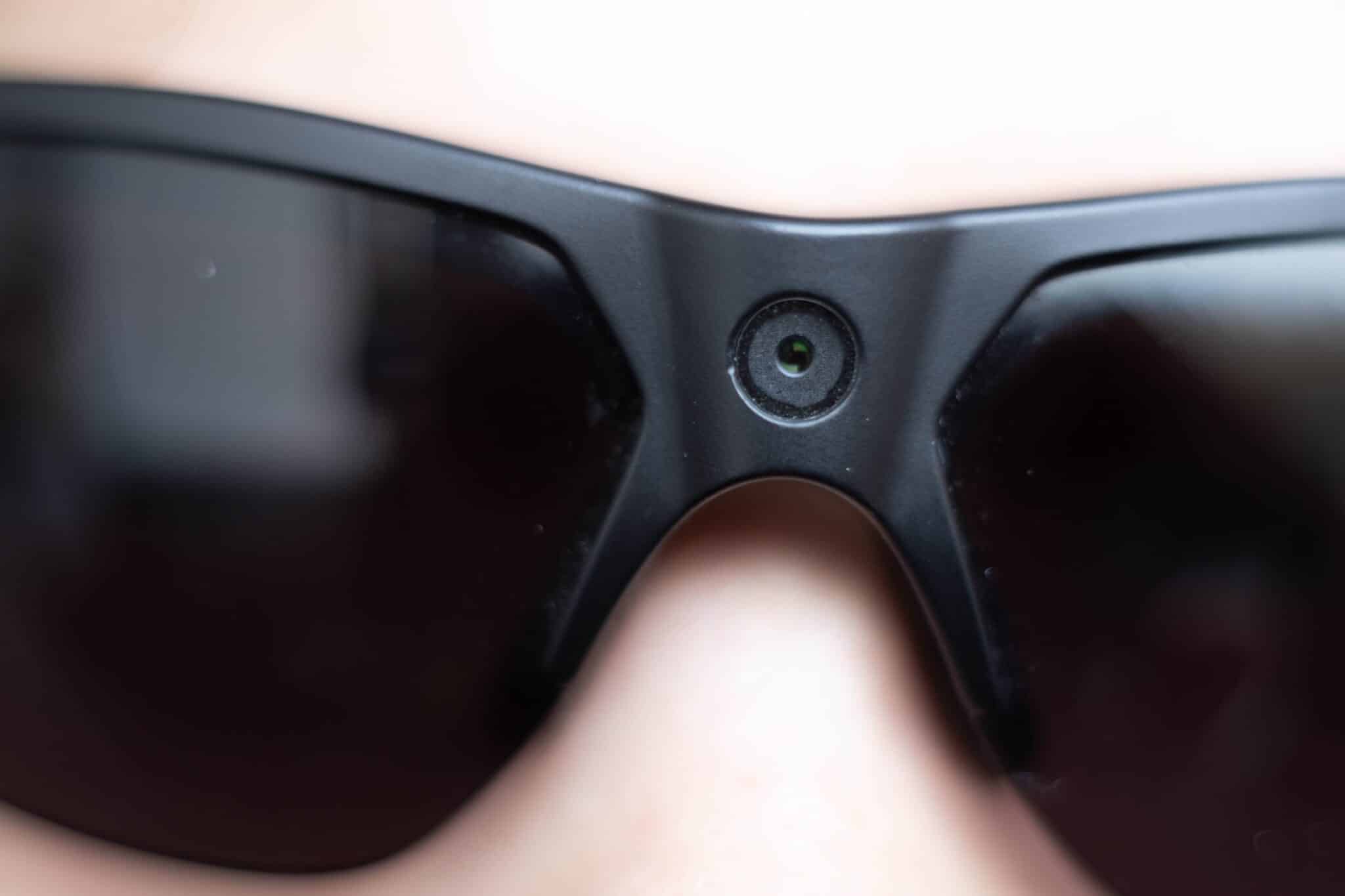
The technology would allow agents to passively scan faces in crowds and match them against federal databases — raising civil liberties alarms about mass identification of people who have committed no crime and have no idea they're being scanned.
DHS Funding Law Quietly Expands Biometric Surveillance Infrastructure
A close reading of a recently passed federal spending law reveals that Congress has again funded and preserved several technical building blocks that make up DHS's surveillance architecture — advancing biometric and surveillance infrastructure with little public fanfare.
Privacy advocates warn that these provisions — buried in broader spending legislation — are steadily building out a national biometric identification capability that lacks adequate public oversight or legal guardrails.
Syracuse Considers Business Biometric Surveillance Ban
Syracuse, New York lawmakers are considering a bill that would ban business owners from collecting data through facial recognition technology and other types of biometric surveillance. The New York Civil Liberties Union testified that biometric surveillance — which includes technology that collects data by tracking someone's face — poses unacceptable risks to residents.

The measure, if passed, would make Syracuse one of a growing number of cities — joining Boston, San Francisco, Portland, and others — to restrict facial recognition and biometric data collection in commercial settings.
Analysis
The Covert Biometric Glasses Fight Is the Week's Defining Civil Liberties Story
The DHS smart glasses controversy crystallizes a tension that has been building for years: the gap between what surveillance technology can do and what the law allows or prohibits.
Traditional facial recognition debates have centered on fixed cameras in public spaces or police body cameras — contexts where the technology is at least somewhat visible. Biometric smart glasses represent a qualitatively different threat: a plainclothes agent could walk through a protest, a mosque, a political rally, or a community meeting and silently identify every person present — cross-referencing against immigration databases, watchlists, or other federal records — without a single person knowing it was happening.
The senators' pushback is notable because it comes from members of both parties, signaling that the civil liberties concerns here cut across ideological lines. The ACLU and other groups have long warned that this type of covert, ambient biometric scanning — with no notice, no warrant, no opportunity to opt out — is incompatible with basic Fourth Amendment principles.
The DHS spending law story (also published this week) adds critical context: even as senators push back on smart glasses, Congress has quietly been funding the underlying infrastructure that would make such tools possible at scale. That tension — between legislative concern and legislative action — is the story underneath the story.
Together, these developments show that the fight over biometric surveillance is no longer theoretical. The tools exist, agencies want to deploy them, and the legal and political frameworks to govern them are still being improvised in real time.
Rights Action
What You Can Do This Week
-
Contact your senators. If your state's senators have not publicly opposed the DHS biometric smart glasses plan, call or write their offices to urge them to co-sign the letter demanding DHS abandon the program. The Electronic Frontier Foundation's action center at makes it easy to find your representatives.
-
Follow the Syracuse bill. If you live in or near Syracuse, attend or submit public comment to City Council hearings on the proposed biometric surveillance ban. Local ordinances have historically been the most successful path to facial recognition restrictions — cities have moved faster than federal or state legislatures.
-
Know your rights when scanned in public. In most U.S. jurisdictions, law enforcement can use facial recognition in public spaces without a warrant. Knowing whether your city or state has restrictions is the first step. Check for a current map of local and state laws.
-
Support the Government Surveillance Reform Act. The bipartisan bill introduced in March 2026 by Senators Lee and Wyden and Representatives Davidson and Lofgren would add Fourth Amendment protections to Section 702 of FISA — including blocking the government from purchasing Americans' private data from data brokers. Contact your representatives to urge its passage.
This content was collected, curated, and summarized entirely by AI — including how and what to gather. It may contain inaccuracies. Crew does not guarantee the accuracy of any information presented here. Always verify facts on your own before acting on them. Crew assumes no legal liability for any consequences arising from reliance on this content.
Powered by
