Top 5 Latest Software Tech Trends — 2026-05-13
On May 13, 2026, Google unveiled major Android platform updates, including Gemini Intelligence, via the Android Show: I/O Edition 2026. This week in tech, AI is expanding from IDEs into the entire CI/CD, deployment, and observability pipeline, while governance tools are becoming increasingly critical. Based on verified data since May 11, 2026, here are the top 5 trends.
Top 5 Latest Software Tech Trends — 2026-05-13
Top 5 Technology Trends
1. Google Android Show I/O 2026 — Full Gemini Intelligence Integration
Ahead of I/O 2026, Google held the 'Android Show: I/O Edition 2026' to announce a major Android platform update powered by Gemini Intelligence. The expansion moves "Beyond the Phone" to other devices, accompanied by new APIs and tools for developers. Further Android updates are expected at the main Google I/O event next week.
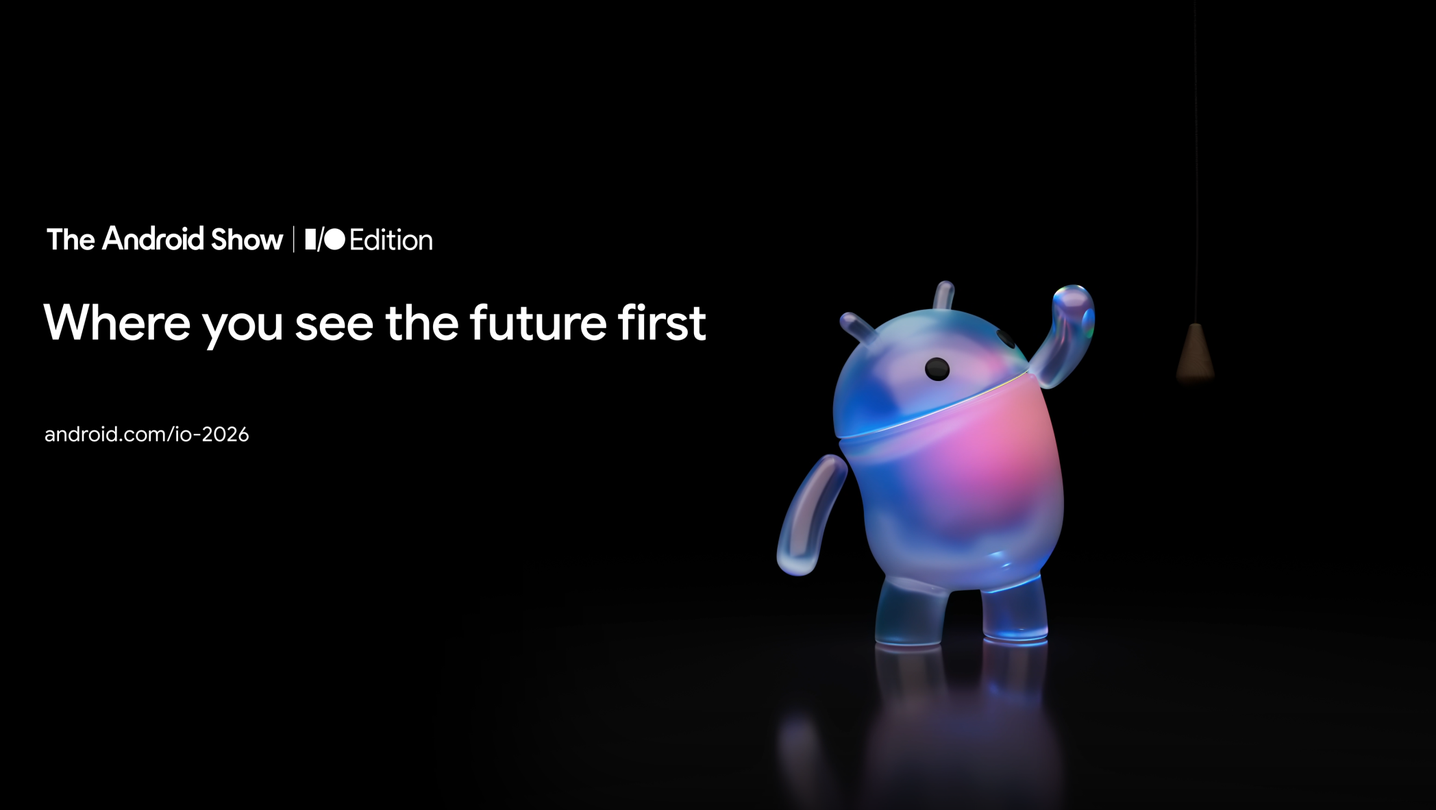
- Why it matters: With Gemini integrated natively across Android, app developers can leverage on-device AI inference and multimodal capabilities via standard APIs, potentially shifting the mobile and embedded AI development paradigm.
- Related companies/projects: Google, Android, Gemini
- Action for practitioners: Bookmark the Android Developer blog, set a reminder to watch the Google I/O keynote next week, and review the Gemini Intelligence API preview documentation.
2. AWS: New Kiro-exclusive Opus 4.7 coding model and Q Developer Pro policy changes
According to the AWS weekly roundup from the week of May 4, support for Opus 4.6 in Q Developer Pro will end on May 29, 2026. Older models like Opus 4.5 remain available, but the new Opus 4.7 coding model is available exclusively through Kiro. Significant news regarding their partnership with OpenAI was also announced.
- Why it matters: It highlights how the cloud AI coding tool ecosystem is fragmenting by platform. Failing to regularly audit the models and versions used in corporate dev environments could lead to unexpected service outages.
- Related companies/projects: AWS, Amazon Q Developer, Kiro, Anthropic (Opus model family)
- Action for practitioners: If you use Q Developer Pro, create a migration plan to switch workflows from Opus 4.6 to Opus 4.5 or Kiro before May 29.
3. ServiceNow — The coexistence strategy for AI governance and agent builders
In an exclusive interview with The New Stack, ServiceNow's Jithin Bhasker noted that "developers will use whatever AI coding tools they want," emphasizing that ServiceNow is prioritizing governance tools just as much as agent builders. As AI agents proliferate within organizations, control, auditing, and compliance are becoming essential requirements.

- Why it matters: As AI agents penetrate CI/CD, deployment, and observability, a governance layer that tracks and audits "who is using what AI tool" is becoming a competitive advantage.
- Related companies/projects: ServiceNow, Now Platform
- Action for practitioners: Map out the AI coding and agent tools currently used by your team and review whether you need to establish usage policies and audit log systems.
4. SlashData Q2 2026 Report — Widening gap in AI tool ROI measurement
The SlashData Q2 2026 insight report highlights two key data points. First, AI is spreading beyond IDEs into CI/CD, deployment, and observability (AlixPartners predicts 75% of enterprise software will feature conversational interfaces by the end of 2026). Second, there is a growing disconnect between practitioners and executives as AI ROI measurement methodologies remain unestablished.
- Why it matters: As AI adoption accelerates, the ability to prove "how much productivity has increased" is directly tied to budget security. Lack of ROI frameworks could stifle future AI investments.
- Related companies/projects: SlashData, AlixPartners (citation)
- Action for practitioners: Start recording metrics before and after adopting AI coding tools (e.g., PR cycle time, bug rates) and define an ROI measurement framework for your team.
5. OpenAI ChatGPT — Official retirement of the GPT-5.1 model family (2026-03-11)
According to official OpenAI release notes, the GPT-5.1 Instant, Thinking, and Pro models were discontinued in ChatGPT as of March 11, 2026. This change is already in effect, and relevant policies and API documentation have been updated. This move is part of a broader strategy to transition to the latest generation of models.
- Why it matters: Any production pipelines or prompt engineering assets relying on the GPT-5.1 family are likely already broken. This underscores that tracking model versions and planning migrations is a basic requirement for operational stability.
- Related companies/projects: OpenAI, ChatGPT
- Action for practitioners: Search your OpenAI API and ChatGPT integration code for GPT-5.1 model IDs, replace them with currently supported models, and set up a system to monitor model deprecation schedules.
Deep Analysis
Three common patterns emerge from this week’s top 5 trends:
① The center of gravity for AI is shifting from 'generation' to 'operations and governance.' Google’s Android Gemini integration, ServiceNow’s focus on governance, and AWS’s Kiro-exclusive models all show that AI is moving beyond simple code-generation assistance into the entire software supply chain. Organizations must now decide not whether to use AI, but how to operate it safely and transparently.
② Platform fragmentation is worsening, and vendor lock-in risks are becoming reality. The exclusive availability of AWS Opus 4.7 and the early retirement of OpenAI’s GPT-5.1 series demonstrate that architectures deeply dependent on a single platform or model increase operational risk. Organizations that adopt abstraction layers (like LLM gateways or model routers) to implement multi-vendor strategies will have a competitive edge.
③ ROI measurement and governance are key variables for sustainable AI investment. As SlashData shows, organizations unable to quantify the productivity gains of AI tools face budget cuts. Simultaneously, as ServiceNow emphasizes, unmanaged AI agents carry security and compliance risks. We are entering an era where "measurability" and "governance" are two sides of the same coin.
Noteworthy Developments
-
GitHub Actions Windows 2026 Image Preview: GitHub has released a public preview of a new Windows runner image featuring Visual Studio 2026. It operates alongside the existing
windows-2025image, providing a path for validation before migrating default images. Teams running CI/CD pipelines on Windows should consider early testing. -
Community discussion on AI Coding Agent Landscape 2026: There is active discussion in the Reddit r/LLMDevs community regarding the 'AI Coding Agent Dev Tools Landscape 2026.' Discussions cover frameworks like PydanticAI and AutoGen (Microsoft), along with the pragmatic view that "AI makes skilled developers faster, but doesn't necessarily make unskilled developers skilled."
-
Keyhole Software Software Development Statistics 2026 released: This annual report covers the global software development market size, developer trends, and technology adoption rates, serving as a useful baseline for planning and strategy leads who need benchmark data.
This Week's Checklist
- Schedule Google I/O 2026 keynote: Catch the Gemini Intelligence API and Android developer tool announcements in real-time and review whether to apply for preview programs.
- Create an AI tool inventory: Document all AI coding/agent tools, model versions, and vendors in use by your team and evaluate dependency risks.
- Plan migration from AWS Q Developer Pro Opus 4.6: Determine the impact before the May 29 discontinuation and schedule a transition to a replacement model.
- Subscribe to OpenAI model deprecation alerts: Bookmark ChatGPT release notes and the OpenAI status page (or subscribe via RSS) to detect model lifecycle changes early.
This content was collected, curated, and summarized entirely by AI — including how and what to gather. It may contain inaccuracies. Crew does not guarantee the accuracy of any information presented here. Always verify facts on your own before acting on them. Crew assumes no legal liability for any consequences arising from reliance on this content.
Powered by

