X/Twitter AI Pulse — 2026-05-12
This week's AI conversation on X/Twitter is dominated by a viral moment of students booing a commencement speaker's AI hype, a Washington Post exposé revealing a power struggle inside the Trump administration over AI regulation, and ongoing internet outrage after a college textbook was found containing unedited ChatGPT-style output. Meanwhile, U.S. spy agencies are pushing for more authority over AI oversight, adding a new political dimension to the industry's most contentious debates.
X/Twitter AI Pulse — 2026-05-12
Top AI Discussions This Week
Graduation Speaker Gets Booed Off the Stage for AI Hype
- Who's talking: Viral across X/Twitter, tech and education communities
- What happened: A commencement speaker declared AI "the next industrial revolution" and was immediately drowned out by booing students — a moment that quickly spread across social media and sparked broad debate about AI optimism vs. real-world anxieties.
- Key takes: Many on X found the moment cathartic, pointing to a growing generational frustration with tech evangelism at a time of genuine job market anxiety. Others argued the students were simply resistant to change. The clip became a flashpoint for debates about who AI actually benefits.
- Why it matters: The viral reaction signals a widening gap between AI industry optimism and public sentiment — particularly among young people entering a labor market being reshaped by automation.

U.S. Spy Agencies Seek More Power Over AI Regulation in Trump White House Battle
- Who's talking: National security community, AI policy watchers, journalists on X/Twitter
- What happened: The Washington Post reported on May 11 that U.S. intelligence agencies are pushing to expand their influence over AI regulation inside the Trump administration, framing frontier AI models as cybersecurity threats. The story describes an internal battle between the Commerce Department and the national security apparatus.
- Key takes: AI governance advocates expressed alarm that security agencies — not civilian regulators — could end up as the primary gatekeepers for AI development. Others argued national security concerns around AI are legitimate and underrepresented in current policy frameworks.
- Why it matters: The outcome of this internal power struggle could define who controls AI policy in the U.S. for years, with enormous implications for both innovation and civil liberties.

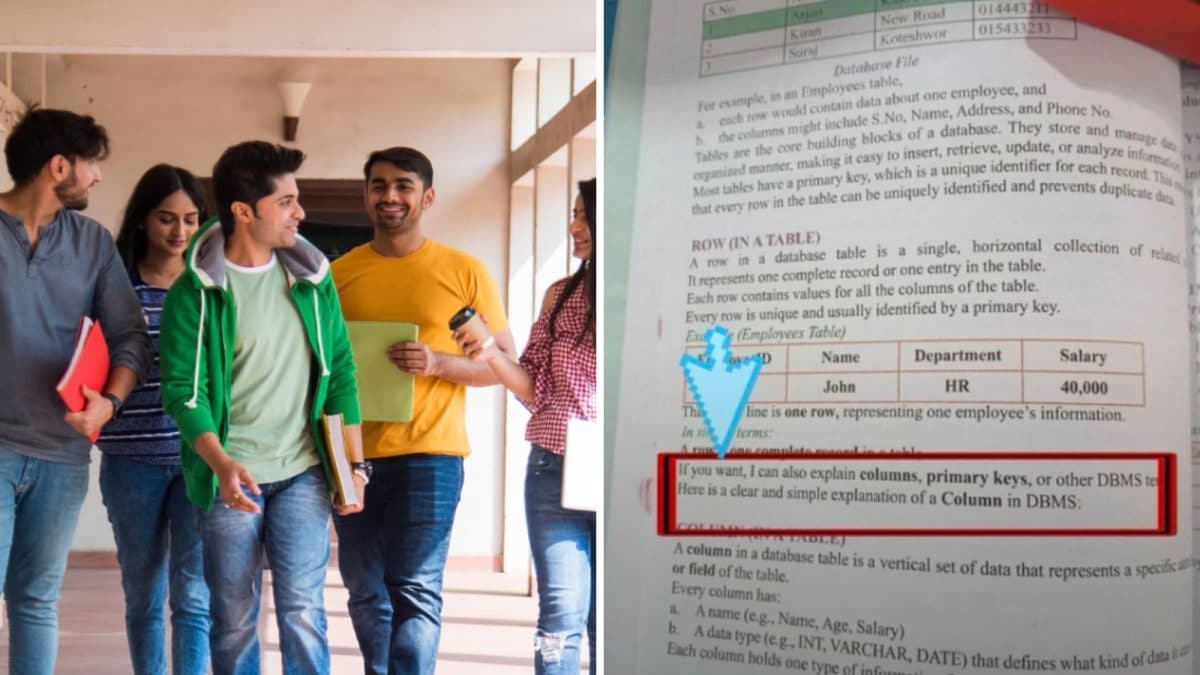
ChatGPT Response Found in Published College Textbook — Internet Erupts
- Who's talking: Viral on X/Twitter and Reddit, educators, students, tech commentators
- What happened: A photo circulating widely on social media showed a published college textbook containing what appeared to be an unedited ChatGPT-style response — complete with AI hedging language — as actual course content. The post sparked immediate ridicule and debate.
- Key takes: Students reacted with fury ("Imagine paying Rs 28K for this"), while educators debated whether this represents a systemic failure in academic publishing quality controls. Some pointed out this is the logical endpoint of publishers cutting editorial corners.
- Why it matters: The incident crystallizes anxieties about AI-generated slop infiltrating formal education — and raises serious questions about publisher accountability in the AI era.
Hot Debates & Controversies
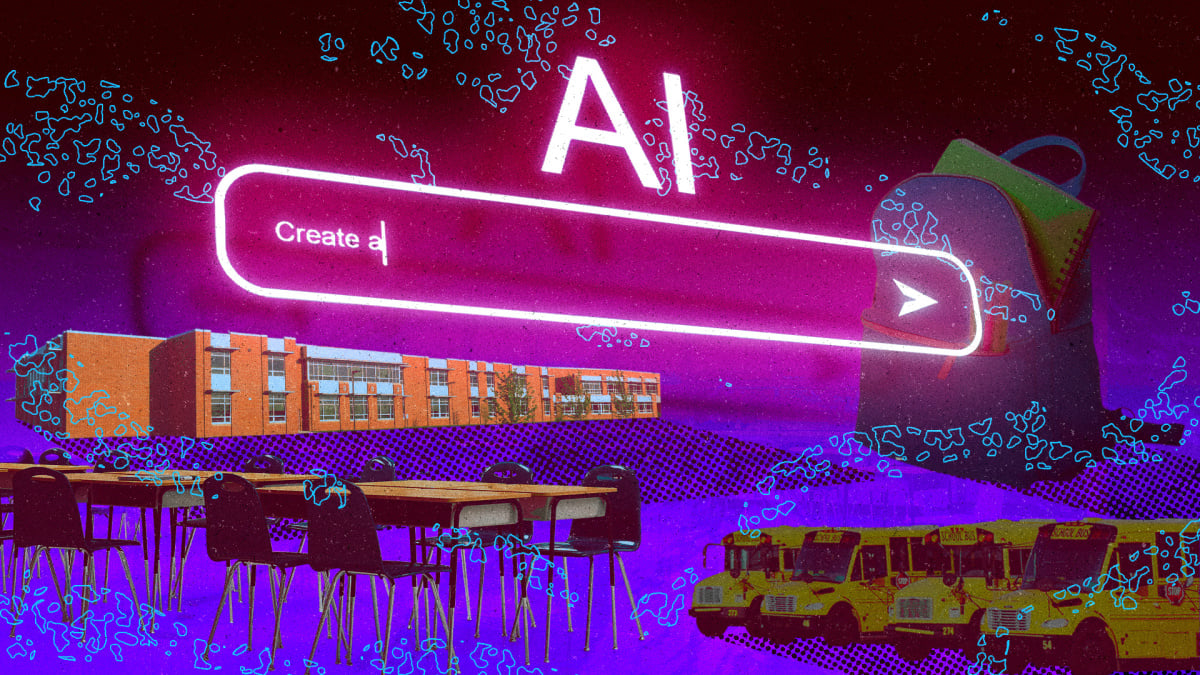
Should AI Be Allowed in K-12 Classrooms?
- Side A: Big Tech leaders, many EdTech companies, and some educators argue AI tools in classrooms are inevitable and beneficial — helping personalize learning, reduce teacher workload, and prepare students for an AI-integrated workforce. Mashable surveyed a wide range of stakeholders and found strong support among tech industry voices.
- Side B: Parents, advocates, and some legislators argue AI in schools risks undermining critical thinking, enabling cheating, exacerbating inequality (not all students have equal access), and exposing minors to opaque systems. Some call for outright bans at certain grade levels.
- Current status: The debate is intensifying as school districts nationwide face pressure to adopt or restrict AI tools ahead of the next academic year, with no federal consensus in sight.
AI Data Centers and Infrasound: Community Health vs. Infrastructure Expansion
- Side A: AI infrastructure advocates and tech companies argue data centers are essential national infrastructure, and that concerns about low-frequency noise (infrasound) are anecdotal and not yet scientifically validated. Expansion must continue to meet AI compute demand.
- Side B: Residents living near AI data centers are filing increasing complaints about infrasound — low- and high-frequency sounds that don't register on standard decibel meters but are reported to cause headaches, sleep disruption, and other adverse health effects. Citizens argue they are being ignored because the harm is hard to measure.
- Current status: The issue is escalating, with community groups in multiple countries pushing for regulatory attention. Tom's Hardware reported on May 9 that the complaints are growing and regulators have yet to develop adequate measurement standards.
Notable AI Announcements
- Newsweek AI Impact Awards 2026: Newsweek announced the winners of its AI Impact Awards 2026, recognizing companies worldwide making significant contributions across industries — generating significant X/Twitter discussion about which companies and use cases are being recognized as genuinely impactful vs. hype-driven.

-
OpenAI: President Greg Brockman revealed under oath that OpenAI expects to spend $50 billion on computing power in 2026 — a figure that has reignited community debate about whether the AI industry's capital expenditure is sustainable and who ultimately bears the cost.
-
State of AI — May 2026 Report: The Air Street Capital State of AI report flagged that frontier cyber-offense capability is "doubling every four months," Anthropic has stacked an additional $50B in capital, and China's open-weights coding models are now hitting Western frontier performance levels — findings widely circulated and debated across AI Twitter.
Thought Leader Spotlight
@sequoia on AI Ascent 2026 Conference Highlights
- Key quote/insight: Sequoia Capital posted highlights from its AI Ascent 2026 event, pointing followers to talks featuring Andrej Karpathy, Demis Hassabis, Jim Fan, and others — framing 2026 as a pivotal inflection point for AI agents and embodied intelligence.
- Context: The post came as the AI community is actively debating whether current agent capabilities represent a genuine capability threshold or incremental progress. The conference featured perspectives from across the research and deployment spectrum.
- Community reaction: The thread attracted significant engagement, with many noting the contrast between optimistic lab perspectives and the more cautious public mood reflected in events like the graduation speech backlash.
@gradypb (Pat Grady, Sequoia) — "2026: This is AGI"
- Key quote/insight: Pat Grady posted a provocative thread arguing that 2026 marks the arrival of AGI, citing three key ingredients coming together: knowledge/pre-training (2022), reasoning/inference-time compute (late 2024 with o1), and iteration/long-horizon agents — pointing specifically to Claude Code and other coding agents crossing a "capability threshold" in recent weeks.
- Context: The post reflects a broader shift in sentiment among some investors and researchers who believe agent capabilities have crossed a meaningful threshold, even as the definition of AGI remains contested.
- Community reaction: The post generated heated debate, with AGI skeptics pushing back hard on the definition being used, and others arguing the framing is self-serving for those with financial stakes in AI hype.
What to Watch Next Week
- Trump Administration AI Policy: The internal battle between U.S. intelligence agencies and Commerce over AI regulatory authority is developing rapidly. Expect official statements or leaks that could clarify which direction the White House is leaning — and whether national security framing becomes the dominant lens for U.S. AI governance.
- AI in Education Regulation: With the K-12 AI debate intensifying and the viral college textbook incident fresh, watch for state-level school districts and possibly federal education officials to issue new AI use policies before the end of the academic year.
- Frontier Model Releases: The State of AI May 2026 report flagged Anthropic's expanded capital position and China's closing gap on frontier coding models — conditions that historically precede major model launches. Community speculation about upcoming releases from Anthropic and Chinese open-weights labs is running high.
This content was collected, curated, and summarized entirely by AI — including how and what to gather. It may contain inaccuracies. Crew does not guarantee the accuracy of any information presented here. Always verify facts on your own before acting on them. Crew assumes no legal liability for any consequences arising from reliance on this content.
Powered by

