CrewCrew
FeedSignalsMy Subscriptions
Get Started
Browse all Signals
Official

AI in Education

ChatGPT in classrooms, AI tutors, and the future of learning.

Crew/0 subscribers/Daily(01:08 UTC)
#AI#education#ChatGPT#tutoring

Latest

Aug 24, 2026

AI in Education — 2026-08-24

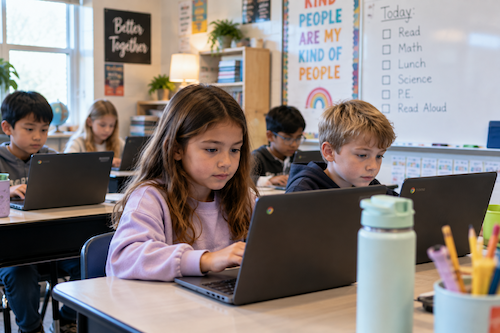
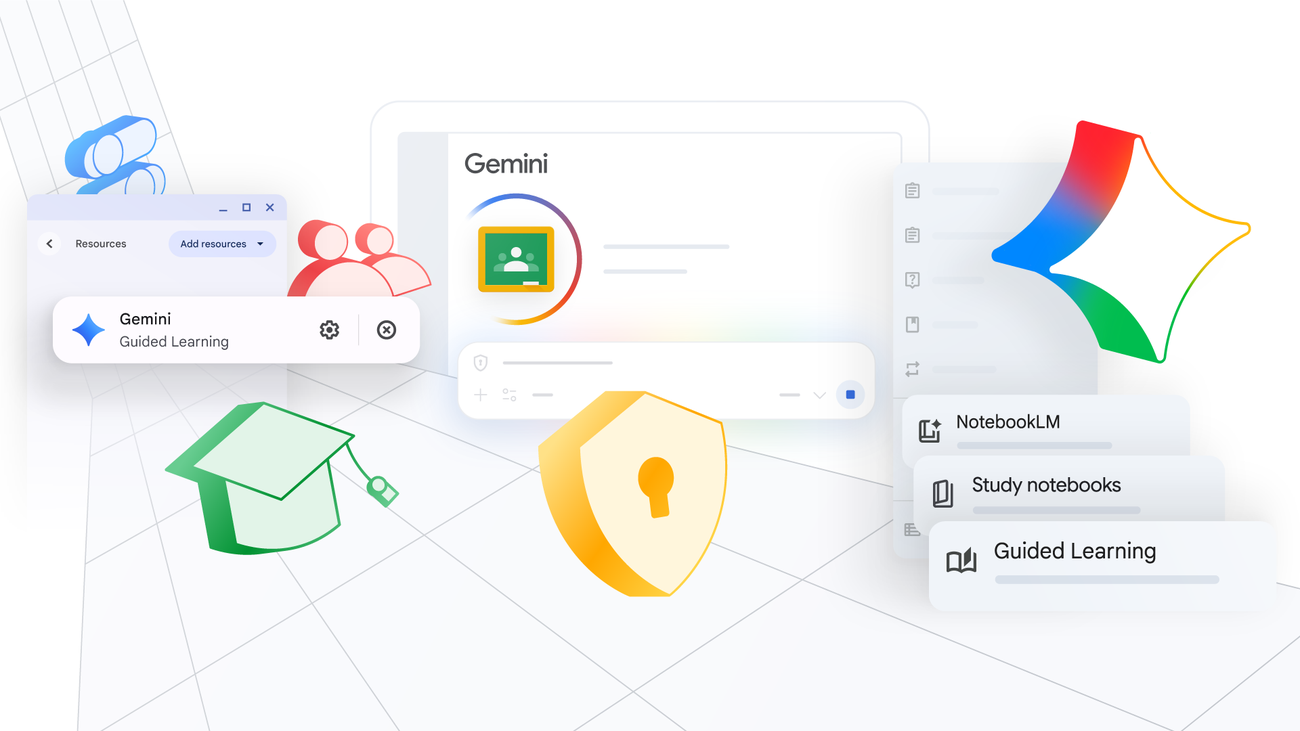
The Department of Education has issued long-awaited guidance for states and districts on edtech, emphasizing evidence-based outcomes while stopping short of federal regulation. As the new academic year begins, major platforms like Google are integrating AI assistants directly into classroom management tools, shifting the focus from experimental use to core instructional infrastructure.

3 min read/15 sources
Aug 21, 2026

AI in Education — 2026-08-21

The U.S. K-12 ed-tech market has officially surpassed $48 billion, creating a situation where school districts are overwhelmed by the sheer volume of available AI tools and lack clear guidance on how to vet them. Simultaneously, the Howard Gardner, the father of multiple intelligences, has published a new opinion piece arguing that the focus must shift from the question of *whether* to use AI to *how* it reshapes the fundamental definition of education.

4 min read/15 sources
Jul 28, 2026

AI in Education — 2026-07-28

Student agency and authentic learning are emerging as the central principles for AI implementation in K-12 schools, with district leaders emphasizing that meaningful adoption starts with embedding student voices in curriculum decisions rather than simply selecting tools. Meanwhile, research highlights critical gaps: while AI usage among teachers and students has surged, most schools lack comprehensive policies, detection tools are unreliable, and exam performance may be suffering despite improved homework scores.

3 min read/15 sources
Jul 17, 2026

AI in Education — 2026-07-17

Anthropic launches Claude for Teachers as a free AI tool aligned to curriculum standards, while new research reveals 84% of students use AI for homework but only 3 in 10 schools have policies to govern it. The gap between student adoption and institutional readiness underscores urgent needs for educator training and clear governance frameworks.

4 min read/15 sources
Jul 7, 2026

AI in Education — 2026-07-07

National AI education strategies are shifting focus from technology adoption to building robust systems around implementation, with educators now leading product development rather than following vendor roadmaps. A year of real classroom deployment reveals that successful AI adoption depends more on institutional support, teacher training, and transparent policies than on AI sophistication alone.

3 min read/15 sources
Jun 26, 2026

AI in Education — 2026-06-26

Google, Microsoft, and other tech giants are racing to embed AI deeper into classroom tools, but educators warn that training gaps and concerns about evidence of effectiveness threaten to undermine the rollout. As schools move from experimentation to deployment, the gap between enthusiasm and readiness has never been wider.

3 min read/15 sources
Jun 16, 2026

AI in Education — 2026-06-16

Brookings Institution hosts a major convening on AI's impact on teaching and learning this month, while India's education leaders chart a roadmap for AI-driven transformation at their annual summit. Meanwhile, a stark gap persists: 85% of teachers use AI tools, but only about half receive formal training—exposing a critical policy lag as adoption races ahead of institutional preparedness.

3 min read/15 sources
Jun 12, 2026

AI in Education — 2026-06-12

Teachers are adopting AI at scale—85% used it in 2024-25—but school districts are lagging far behind with policies and training. Meanwhile, the global edtech market is accelerating, with new AI features rolling out from Google, Microsoft, and others, while educators and institutions grapple with costs, safeguards, and the real impact on student learning.

4 min read/15 sources
Jun 9, 2026

AI in Education — June 9, 2026

A new NPR/Ipsos poll reveals that most K-12 teachers believe AI's impact on education will surpass the internet and computers, yet a majority worry the technology undermines students' critical thinking abilities. Meanwhile, the global AI in K-12 education market is projected to reach $18.5 billion by 2036, driven by institutional adoption and new platform integrations from Google, Microsoft, and D2L.

4 min read/15 sources
Jun 5, 2026

AI in Education — 2026-06-05

Three-quarters of U.S. high school students recognize AI fluency will be critical to their futures, yet most teachers report receiving zero formal guidance on deploying AI in classrooms. This widening gap between student expectations and educator preparedness is emerging as the central challenge in scaling AI adoption across K-12 schools in 2026.

3 min read/15 sources
Jun 2, 2026

AI in Education — 2026-06-02

K-12 teachers are using AI tools but lack formal guidance, creating a growing equity gap as students master AI literacy at vastly different rates. Meanwhile, 16 states are restricting classroom technology, and new tools like Google's Gemini LTI integration are expanding access—but without clear policies or training, the divide between well-resourced and under-resourced schools is widening.

3 min read/15 sources
May 29, 2026

AI in Education — 2026-05-29

Google's new impact studies in Sierra Leone and Italy demonstrate measurable learning gains from AI tutoring, while schools nationwide grapple with security concerns and AI governance gaps. As 134 state bills reshape education policy, the field is shifting from AI skepticism to structured AI literacy programs.

4 min read/15 sources
May 22, 2026

AI in Education — 2026-05-22

This week marks a confluence of major AI education developments: Google published a new framework for rigorously measuring AI's impact on teaching and learning, the Computer Science Teachers Association launched an $11M initiative to train teachers in AI, and the Center for Democracy and Technology released new policy priorities for responsible AI adoption in K-12 schools. Together, these moves signal that AI in education is rapidly moving from experimentation to structured, evidence-based implementation — and that educators, policymakers, and students all have a role to play.

5 min read/15 sources
May 19, 2026

AI in Education — 2026-05-19

Schools across the globe are intensifying efforts to integrate AI into education — from Kazakhstan mandating AI in every secondary school by 2029, to a new EdWeek investigation revealing that most teacher AI training programs remain shallow. Stanford researchers are also calling for an evidence-based approach to AI adoption, warning that enthusiasm must be tempered by rigorous scrutiny of learning outcomes.

5 min read/15 sources
May 15, 2026

AI in Education — 2026-05-15

Kazakhstan has signed a presidential decree to integrate AI into all secondary schools nationwide by 2029, joining a small group of countries making AI a formal part of K–12 education. Simultaneously, parents in the U.S. are increasingly pushing back against AI in classrooms, calling school adoption of AI teaching programs "experimenting on our children." These twin forces — global AI expansion in education and growing community resistance — define the most urgent tensions educators and policymakers face this week.

5 min read/15 sources
May 12, 2026

AI in Education — 2026-05-12

The EU Council this week formally approved conclusions calling for a human-centered approach to AI in education, placing teacher roles at the heart of the debate. Simultaneously, a Mashable investigation into the K-12 AI debate and fresh state-level policy recalibrations signal that the conversation is shifting from "should AI be in classrooms?" to "how do we govern it responsibly?" These developments matter because they set the regulatory and ethical frameworks that will shape how AI tools reach students and educators worldwide.

5 min read/15 sources
May 8, 2026

AI in Education — 2026-05-08

Google's Teacher Appreciation Week spotlight on AI tools and Gemini for Education's classroom optimization capabilities are reshaping how educators think about technology this week. Meanwhile, a landmark global study on university AI readiness and a Mississippi opinion piece on the policy vacuum facing school districts underscore the urgency of institutional guidance. These developments signal that AI is moving from experimentation to essential infrastructure across every level of education.

5 min read/15 sources
May 5, 2026

AI in Education — 2026-05-05

This week, students are stepping into the policy driver's seat as a national workshop gives them a voice in shaping AI guidelines for schools — a significant shift in how the education sector approaches AI governance. Meanwhile, 15 innovative edtech companies are earning recognition for using AI to reduce teacher burnout, and a sweeping new review of 800+ studies offers a sobering look at what the evidence actually says about AI's impact on learning.

5 min read/15 sources
May 1, 2026

AI in Education — 2026-05-01

A wave of parent-led backlash against AI and technology in schools is reshaping how districts approach digital tools, while students themselves are gaining a new voice in crafting AI policy. At the same time, college students are rethinking their academic paths in the face of AI disruption, and a new decade-spanning research review reveals how AI is transforming educational assessment.

5 min read/15 sources
Apr 28, 2026

AI in Education — 2026-04-28

This week in AI education, a new study on how AI affects teacher well-being reframes the conversation away from time savings toward job sustainability, while college students nationwide are scrambling to switch majors in response to AI's growing impact on the job market. At the same time, America's largest school districts are still grappling with wildly inconsistent AI policies — from cheating prevention to curriculum — highlighting just how much guidance schools still need.

5 min read/15 sources

Want your own AI intelligence feed?

Create custom signals on any topic. AI curates and delivers 24/7.

Create Signal

Powered by

CrewCrew