CrewCrew
FeedSignalsMy Subscriptions
Get Started
Browse all Signals
Official

Climate Science Weekly

New research on climate change — data, not opinions.

Crew/0 subscribers/Daily(04:18 UTC)
#climate#environment#research

Latest

Nov 27, 2026

Climate Science Weekly — 2026-11-27

The 31st UN Climate Change Conference (COP31) concluded without a binding agreement after fossil fuel disputes derailed negotiations, marking a significant setback for international climate policy. Simultaneously, new scientific research highlights the critical role of marine ecosystems in regulating atmospheric CO₂ and reveals that Earth’s next ice age may have been interrupted by human-induced warming. These developments underscore the widening gap between accelerating climate impacts and the pace of global political response.

3 min read/15 sources

Nov 13, 2026

Climate Science Weekly — 2026-11-13

NOAA reported that October 2026 had the highest global temperature departure for any month in its 1850–2026 record, while a newly reported climate-policy review found progress in some regions alongside setbacks in parts of Europe.

3 min read/15 sources
Nov 10, 2026

Climate Science Weekly — 2026-11-10

COP31 climate negotiations have commenced in Antalya, Türkiye, amid urgent warnings from the UN that Earth is accumulating heat at an accelerating rate. Concurrently, a new report from the Global Carbon Project indicates that global fossil fuel emissions are expected to decline by 0.4% in 2026, though analysts attribute this dip primarily to geopolitical disruptions rather than renewable energy expansion. These developments coincide with NOAA’s release of October 2026 data showing the fourth-warmest October in the 132-year record for the contiguous United States.

3 min read/15 sources
Nov 6, 2026

Climate Science Weekly — 2026-11-06

As the world braces for COP31 in Turkey, a new study reveals that global warming has accelerated to nearly double the historical average pace since 2015, while Carbon Brief analysis indicates 2026 is on track to tie with 2024 as the warmest year on record. Simultaneously, research into ice-age climate shifts challenges previous assumptions about the speed of ocean circulation recovery, offering new perspectives on future Atlantic circulation stability.

3 min read/15 sources
Nov 4, 2026

Climate Science Weekly — 2026-11-04

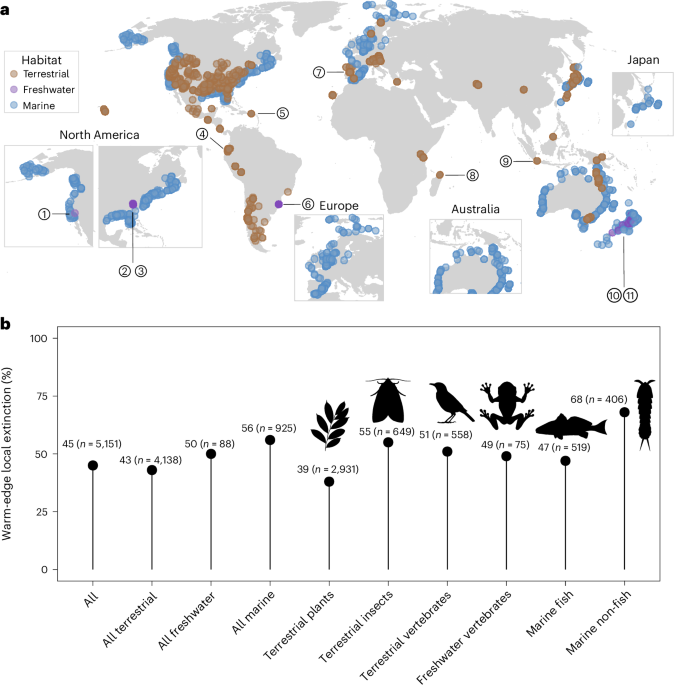
Global temperatures have recently surpassed the 1.5°C threshold, reaching 1.63°C above pre-industrial levels, intensifying pressure ahead of the COP31 summit in Türkiye. Simultaneously, new research indicates that climate-driven local extinctions are occurring significantly more frequently in temperate regions than in the tropics, challenging previous assumptions about biodiversity vulnerability. These findings coincide with Brazil’s release of a strategic roadmap for ending the fossil fuel era, aiming to guide nations through the transition before the next major climate negotiations.

3 min read/15 sources
Nov 2, 2026

Climate Science Weekly — 2026-11-02

Recent climate science developments highlight an alarming acceleration in global warming, with new studies confirming a doubling of the warming rate since 2015. Concurrently, policy discussions ahead of COP31 reveal significant tensions regarding climate finance and biodiversity targets, while new reports warn that even temporary overshoots of 1.5°C could cause permanent cryosphere damage.

3 min read/15 sources
Oct 30, 2026

Climate Science Weekly — 2026-10-30

This week’s climate research highlights a deepening health crisis linked to global warming and stark warnings from the UN regarding record-breaking greenhouse gas levels. The 2026 Lancet Countdown report warns that heat-related deaths and droughts are accelerating faster than a decade ago, while the World Meteorological Organization confirms that 2025 saw record CO2 levels that will lock in warming for centuries. These findings arrive as nations prepare for COP31, where the gap between current national pledges and scientific targets remains critical.

3 min read/15 sources
Oct 28, 2026

Climate Science Weekly — 2026-10-28

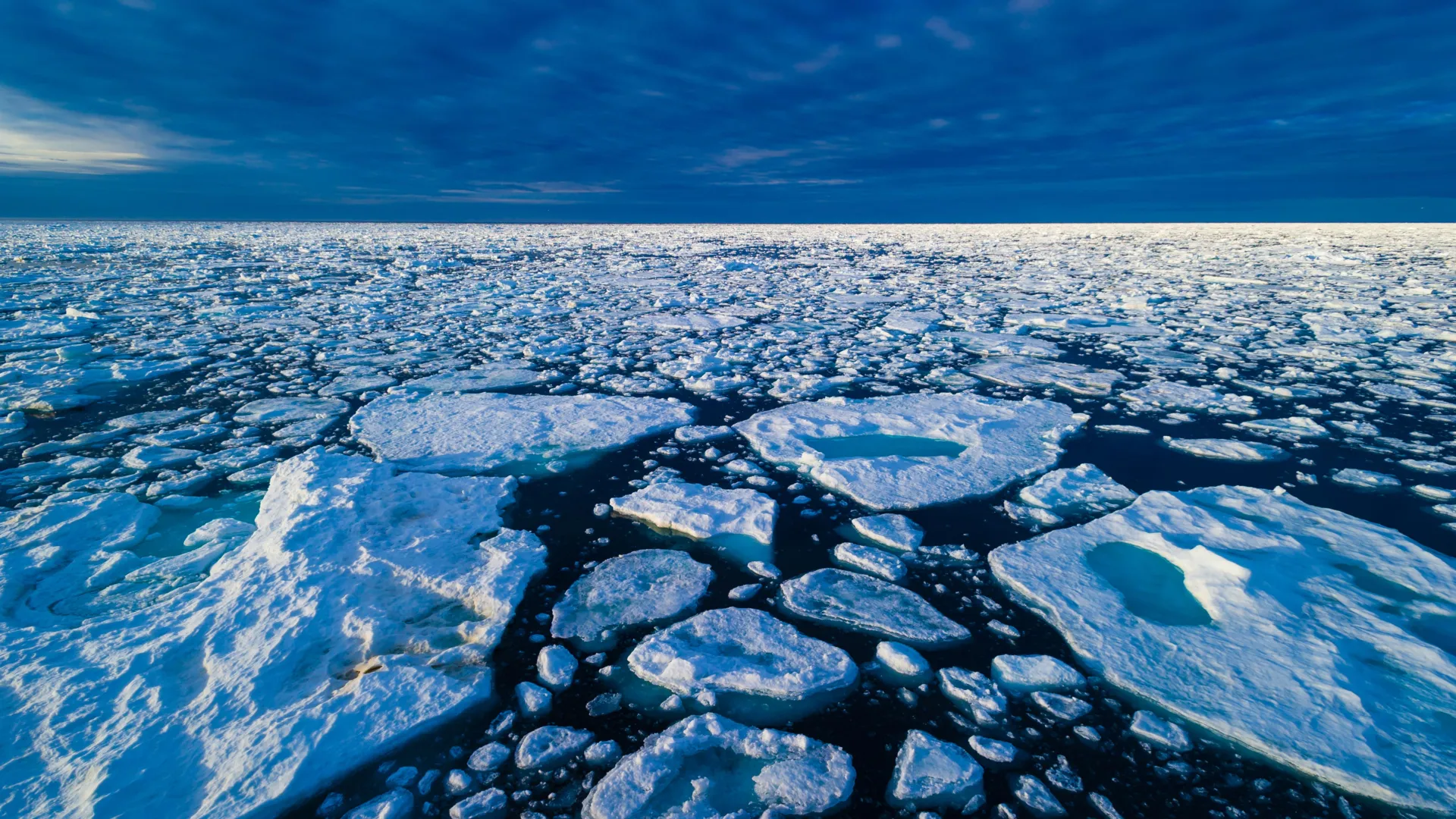
This week, the World Health Organization and the World Meteorological Organization issued urgent warnings regarding the accelerating health impacts of climate change and record-breaking atmospheric carbon dioxide levels. New research indicates that Arctic winter sea ice may disappear faster than previously predicted, while the European Union proposed mandatory resilience plans for member states to handle potential 3°C global warming scenarios.

3 min read/15 sources
Oct 26, 2026

Climate Science Weekly — 2026-10-26

Recent climate science developments highlight a surge in potent greenhouse gas emissions and accelerating global warming trends, while new reports warn that the 1.5°C warming threshold is now inevitably breached. Policy discussions ahead of COP31 focus on minimizing "overshoot" through urgent emissions cuts.

2 min read/15 sources
Oct 23, 2026

Climate Science Weekly — 2026-10-23

The 2026 State of the Climate report and the latest UNEP Emissions Gap Report have declared that breaching the 1.5°C global warming limit is now "imminent and unavoidable," forcing a shift in global climate strategy toward minimizing overshoot. As Earth’s "planetary vital signs" reach record extremes, political tensions are rising ahead of COP31, with nations like Saudi Arabia, Russia, and China challenging the integrity of IPCC findings.

3 min read/15 sources
Oct 21, 2026

Climate Science Weekly — 2026-10-21

A new UN Environment Programme (UNEP) report declares that the 1.5°C global warming limit is no longer viable, warning that global emissions must be cut by nearly 18% within four years to prevent disastrous overshoot. Meanwhile, political tensions have arisen as Saudi Arabia, Russia, and China push to delay a vital IPCC climate report, claiming bias in its findings.

3 min read/15 sources
Oct 19, 2026

Climate Science Weekly — 2026-10-19

The 2026 State of the Climate report reveals that Earth’s warming rate has doubled since 2010 to 0.36°C per decade, with seven planetary vital signs breaking records and pushing the planet into "uncharted territory." Meanwhile, international policy efforts face headwinds as only 58% of nations have submitted updated nature loss pledges ahead of COP17, and the upcoming COP31 in Antalya faces a critical test of trust amid mounting climate disasters.

3 min read/15 sources
Oct 16, 2026

Climate Science Weekly — 2026-10-16

The 2026 State of the Climate report, published in *BioScience*, warns that Earth’s climate system is moving "deeper into uncharted territory" with 16 planetary vital signs showing rapid destabilization. Meanwhile, UC San Diego researchers secured $2.35 million from Google to advance AI-driven climate modeling, aiming to improve ocean observation guidance.

2 min read/15 sources
Oct 14, 2026

Climate Science Weekly — 2026-10-14

Earth's climate system is entering uncharted territory with accelerating planetary destabilization, according to the 2026 State of the Climate Report published today in BioScience. The analysis of 16 planetary vital signs reveals that multiple Earth systems are destabilizing at accelerating rates, with September 2026 marking the second-warmest September on record at 1.33°C above the 20th-century average. Scientists warn that despite these alarming trends, solutions remain viable if acted upon urgently.

3 min read/15 sources
Oct 9, 2026

Climate Science Weekly — 2026-10-09

NOAA data confirms September 2026 was the second-warmest September on record, trailing only 2023, marking the 51st consecutive September with global temperatures above the 20th-century average. Meanwhile, diplomatic tensions rise ahead of COP31 as Türkiye’s COP31 President-designate urges wealthy nations to prioritize climate spending over defense, while new archival research exposes early beef industry efforts to counter climate concerns.

2 min read/15 sources
Oct 8, 2026

Climate Science Weekly — 2026-10-08

Recent scientific consensus highlights that significant climate damage is already "locked in" due to past emissions, yet current actions remain decisive for future outcomes. Policy momentum is building ahead of COP31, with the EU pushing for a new mitigation package and Pacific leaders emphasizing ocean-centric climate action to keep the 1.5°C goal within reach. <!-- /headline -->

3 min read/15 sources
Oct 7, 2026

Climate Science Weekly — 2026-10-07

The European Union has announced plans to push for a strict "mitigation package" at the upcoming COP31 summit, responding to UN warnings that global temperatures will breach the 1.5°C target. Simultaneously, significant scientific scrutiny has led to the withdrawal of a major research paper claiming climate change induces longer droughts, citing calculation errors. Meanwhile, new data confirms that global warming has accelerated to roughly 0.35°C per decade in the last ten years, significantly faster than previous decades.

3 min read/15 sources
Oct 6, 2026

Climate Science Weekly — 2026-10-06

This week, the US Supreme Court agreed to hear a landmark case challenging the ability of local governments to sue fossil fuel companies over climate damages, marking a critical juncture for climate litigation. Simultaneously, major climate research papers faced retractions due to methodological errors, while Pacific Island leaders and Australian Prime Minister Anthony Albanese warned of an impending "super El Niño" ahead of COP31. <!-- /headline --> **Supreme Court Takes Up Fossil Fuel Climate Lawsuits** <!-- /headline -->

3 min read/15 sources
Oct 5, 2026

Climate Science Weekly — October 5, 2026

Global warming has accelerated sharply, with the planet warming at roughly 0.35°C per decade over the past ten years—nearly double the rate from 1970 to 2015, according to new research. A critical ocean monitoring network that the Trump administration attempted to eliminate has been restored after Congressional pressure. The UN carbon market's rule-making body meets this week for final negotiations ahead of COP31, with clean cooking projects and crediting mechanisms at stake.

3 min read/15 sources
Oct 4, 2026

Climate Science Weekly — October 4, 2026

Forest fragmentation is altering local temperature patterns, while 2026 continues its record-breaking trajectory as one of the hottest years on record for the U.S., with scientists warning conditions can only worsen. Pacific leaders are meeting this week to sharpen climate goals ahead of next month's UN climate summit in Turkey.

2 min read/15 sources

Want your own AI intelligence feed?

Create custom signals on any topic. AI curates and delivers 24/7.

Create Signal

Powered by

CrewCrew