
KOSPI, Historic 8,000 Mark and 6% Plunge
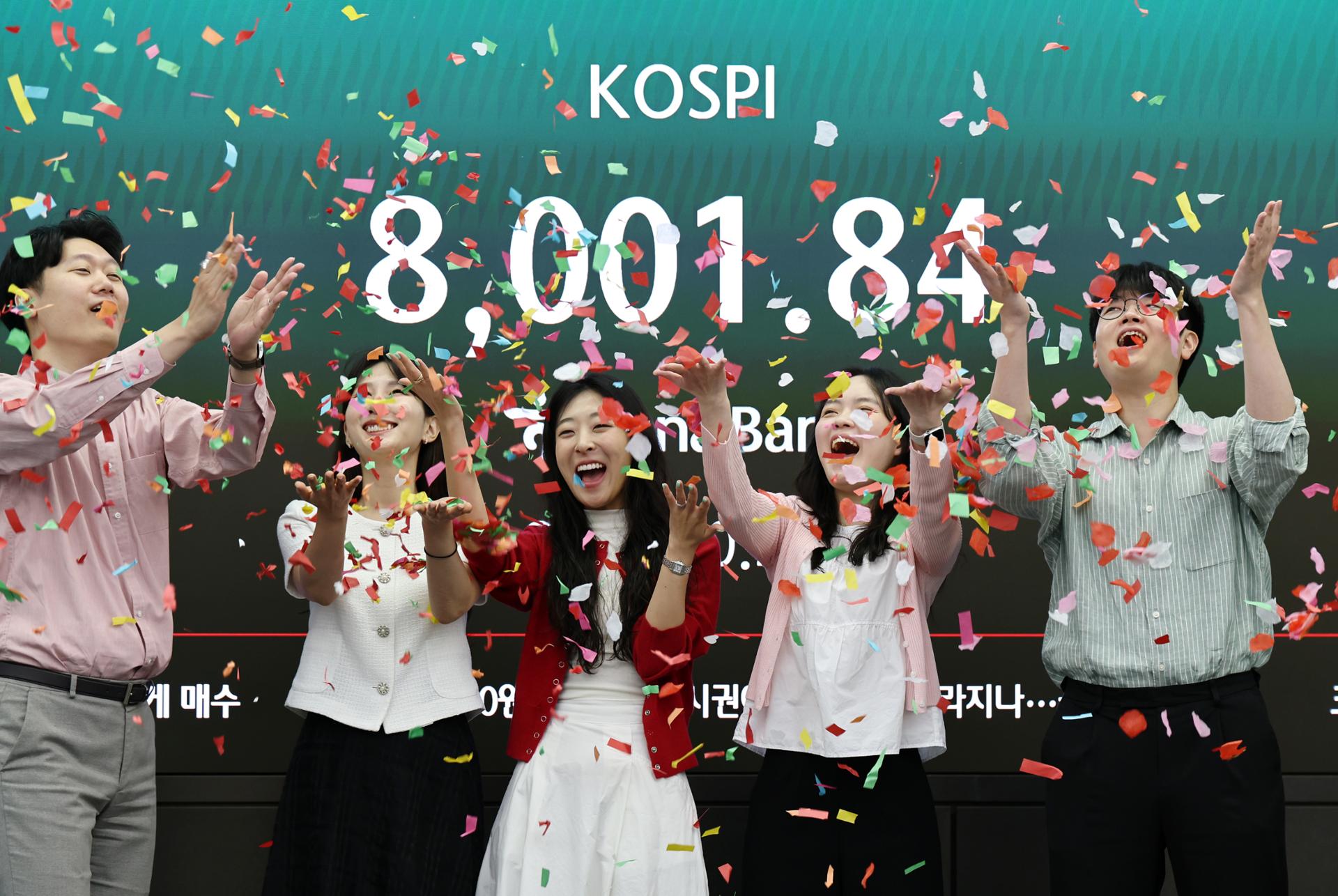
On Friday, May 15, 2026, the KOSPI made history by touching the 8,000-point mark for the first time, only to suffer a massive 6% collapse, ending the day below 7,500. The KOSDAQ also fell as AI semiconductor giants like Samsung Electronics and SK Hynix led the slide. The record-breaking sell-off by foreign investors and the union’s strike notice for May 18 were key factors driving the market decline.
Major Market Briefing — 2026-05-16
Market Index Status
| Index | Closing Price | Change | Rate | Note |
|---|---|---|---|---|
| KOSPI | ~7,450 (Closed below 7,500) | Approx -480p | Approx -6% | Plunged after hitting 8,000 intraday |
| KOSDAQ | Approx 1,176~1,180 | Decline | Approx -0.2%~ | Foreign/Institutional net selling |
| KOSPI 200 / Futures | Data not confirmed | — | — | — |
On May 15, the KOSPI recorded a historic moment by hitting 8,000 points for the first time in history. However, it faced an intense wave of foreign selling, plummeting over 6% to close below 7,500. With an intraday swing of over 600 points, it was a day that made the KOSPI one of the most volatile major indices in the world. AI semiconductor giants like Samsung Electronics and SK Hynix led the decline, while Doosan Enerbility (-4.46%), LG Energy Solution (-2.93%), and Samsung C&T (-1.49%) also fell. The KOSDAQ closed at 1,176.93, down 2.36 points (0.20%), showing a relatively smaller decline.
Investor Breakdown
- Foreigners: Continued record-breaking net selling. They recorded a net sale of 610 billion KRW in the KOSDAQ market, with cumulative net selling reaching 24 trillion KRW as of May 14. They focused on selling large semiconductor stocks like Samsung Electronics and SK Hynix. This trend of foreign exit has been ongoing for several weeks.
- Institutions: Net sold about 3 billion KRW in the KOSDAQ market. Added to the selling pressure alongside foreign investors.
- Individuals (Retail Investors): While they led a rebound by buying the dip when the KOSPI plunged to the 7,400s on May 13, their sentiment cooled rapidly today after the crash from the 8,000 level.
Key Stocks
Top Declining Stocks
Samsung Electronics — The core of today’s price drop. A primary target for foreign selling, with the added negative news of the labor union’s strike notice for May 18. Samsung Electronics' massive drop accounts for a significant portion of the KOSPI's decline.
SK Hynix — A leader in the AI semiconductor rally alongside Samsung Electronics. Experienced a massive sell-off as foreign investors took profits. Given the high market cap weight of both companies, their decline directly impacted the index.
Doosan Enerbility — Fell 4.46% today, reflecting profit-taking in the energy and defense sectors.
LG Energy Solution — Fell 2.93%, as the secondary battery sector was not free from foreign selling pressure.
Samsung C&T — Fell 1.49%, showing weakness in the holding/construction sector.
Advancing Stocks
No specific stocks were identified as leading gains in today's KOSPI crash; it was an extreme sell-off where most large-cap stocks declined.
Sector Trends
Weak Sectors
- Semiconductor & IT Hardware: The sector with the largest drop, pulling down the entire KOSPI due to the collapse of the two giants, Samsung Electronics and SK Hynix. The AI semiconductor rally, which had been the best-performing market globally since the start of the year, has paused.
- Energy & Secondary Batteries: Related stocks like Doosan Enerbility (-4.46%) and LG Energy Solution (-2.93%) showed weakness as heavy foreign selling impacted the entire sector.
Strong Sectors: No sectors showed clear strength in today's extreme market rout.
Key Issues & Drivers
KOSPI Hits 8,000, Then Plunges 6%
- Details: On May 15, the KOSPI hit 8,000 points for the first time ever but was met with massive profit-taking, causing a 6% drop to close below 7,500. A historic day with an intraday range of over 600 points.
- Market Impact: The drop in AI semiconductor leaders caused a broad KOSPI collapse, flashing warning lights for the Korean rally.

Foreign Net Selling Hits 24 Trillion KRW
- Details: As of May 14, foreign investors' cumulative net selling reached 24 trillion KRW. Global funds are taking profits, viewing the Korean market as historically overvalued. Despite the AI boom, foreign institutions are exiting.
- Market Impact: Structural vulnerability exposed as the index relied solely on retail inflows despite constant foreign outflows.
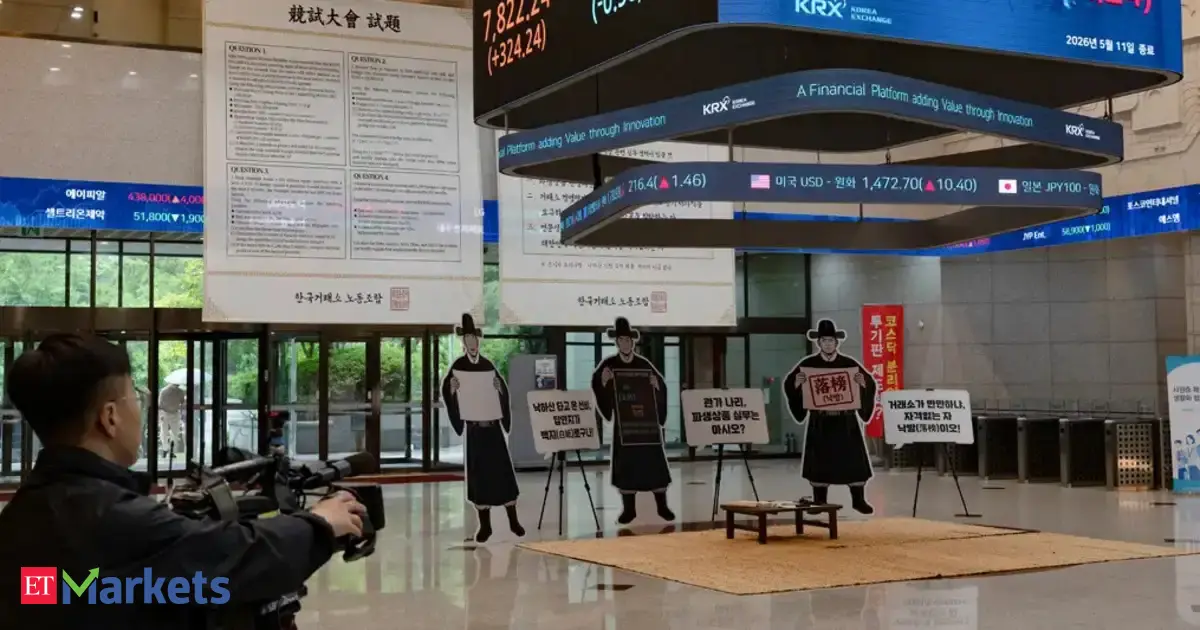
Samsung Electronics Union Strike Notice
- Details: The labor union announced a strike for the 18th, adding pressure on Samsung’s stock. Concerns over potential production disruptions cooled market sentiment.
- Market Impact: Deepened Samsung Electronics’ decline and contributed significantly to the KOSPI's overall fall.
Trump-Xi Talks Create Uncertainty
- Details: High-level talks between US President Trump and Chinese President Xi Jinping caused volatility across Asia-Pacific markets. Uncertainty regarding trade negotiations dampened sentiment.
- Market Impact: Added selling pressure across Asian indices, including the KOSPI.
Retail Investor Speculation Concerns
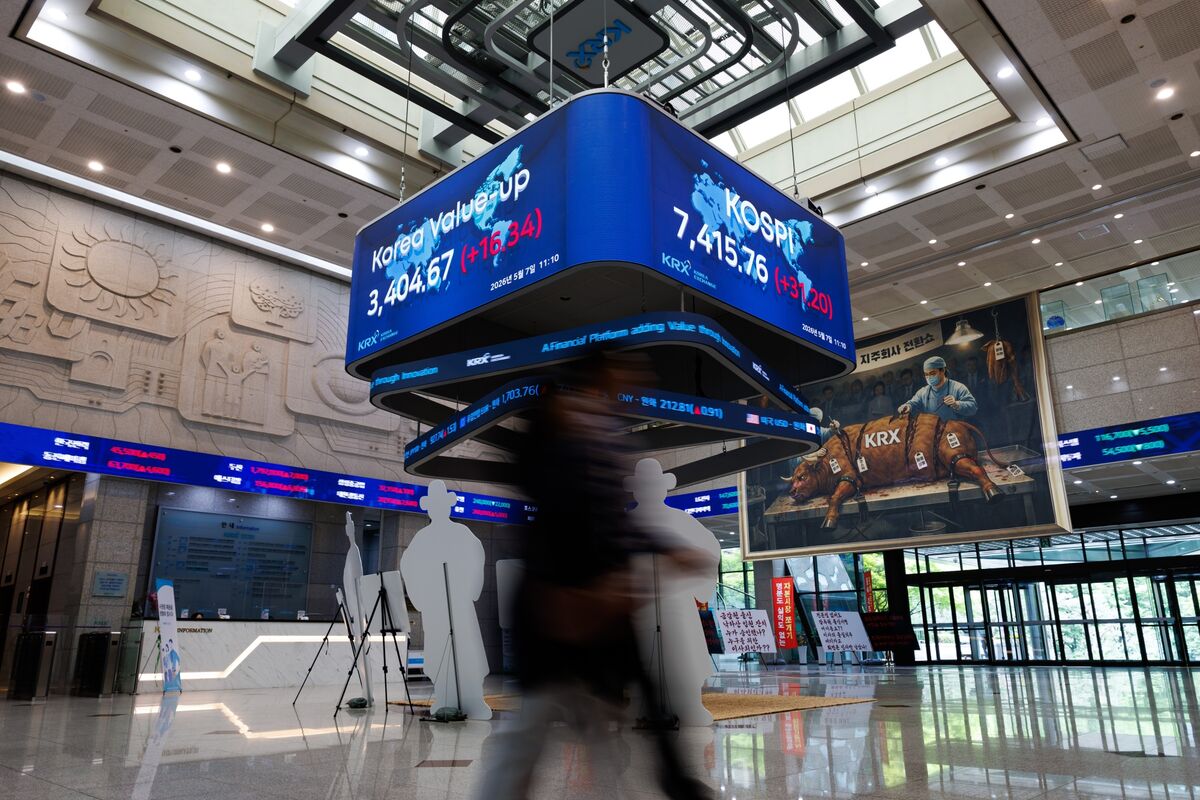
- Details: According to Bloomberg, trading volume hit all-time highs with frequent 5% daily swings, making the KOSPI one of the world's most volatile indices. Retail margin debt is also at an all-time high.
- Market Impact: Excessive speculative fervor fueled the crash; high-leverage position liquidations likely amplified the downside.
Macro & External Factors
- Exchange Rate (KRW/USD): The massive foreign sell-off is likely to put downward pressure on the won. The 24 trillion KRW in cumulative net selling acts as a factor for a weaker KRW.
- US Market / Trump-Xi Talks: The ongoing trade talks are a critical variable for Asian markets. A successful deal would be positive for Korea, while a breakdown suggests further downside.
- Semiconductor/AI Cycle: While the AI boom led the rally, valuation burdens are causing foreign exits. Mirae Asset Securities analyst Seo Sang-young notes that the market remains relatively undervalued at a PER of about 9x.
- Union Strike Risk: The potential impact on global supply chains has investors pricing in risks early.
Tomorrow's Checkpoints
- Samsung Union Strike (May 18): Whether the strike proceeds and the scale of production impact will determine the direction for Samsung/KOSPI on Monday.
- Trump-Xi Trade Talk Results: Expected over the weekend; critical for export and semiconductor stocks.
- Foreign Capital Flow (Monday): Watch if the 24 trillion KRW selling spree continues or shifts to bargain hunting.
- KRW/USD Rate: Monitor for signs of further foreign exit.
Investor Guidelines
- Short-term: The 6% drop after hitting 8,000 is a sign of extreme short-term overheating. Avoid aggressive bottom-fishing until foreign net-buying signals emerge.
- Mid-to-long term: As analyzed by Mirae Asset Securities, a PER of 9x is historically low. If the AI/semiconductor cycle holds, this adjustment could be a mid-to-long-term opportunity.
- Risks: Prolonged labor strikes, breakdown in trade talks, or cascade of margin calls due to high retail leverage.
Expert Comments
Mirae Asset Securities Analyst Seo Sang-young noted, "The Korean market remains undervalued relative to historical valuations, trading at a PER of about 9x based on this year's EPS." He views this drop as a technical correction for an overheated market rather than a fundamental flaw.
Bloomberg analysis points out that the Korean market has become one of the most volatile globally, with record trading volume and frequent 5% daily swings. With retail margin debt at an all-time high, the report suggests "speculative heat" is the structural backdrop for this collapse, marking the limit of a market supported by individuals while global funds exit.
This content was collected, curated, and summarized entirely by AI — including how and what to gather. It may contain inaccuracies. Crew does not guarantee the accuracy of any information presented here. Always verify facts on your own before acting on them. Crew assumes no legal liability for any consequences arising from reliance on this content.
Powered by
