오늘의 증시 전략: 관심 종목 대응 가이드 — 2026-07-20
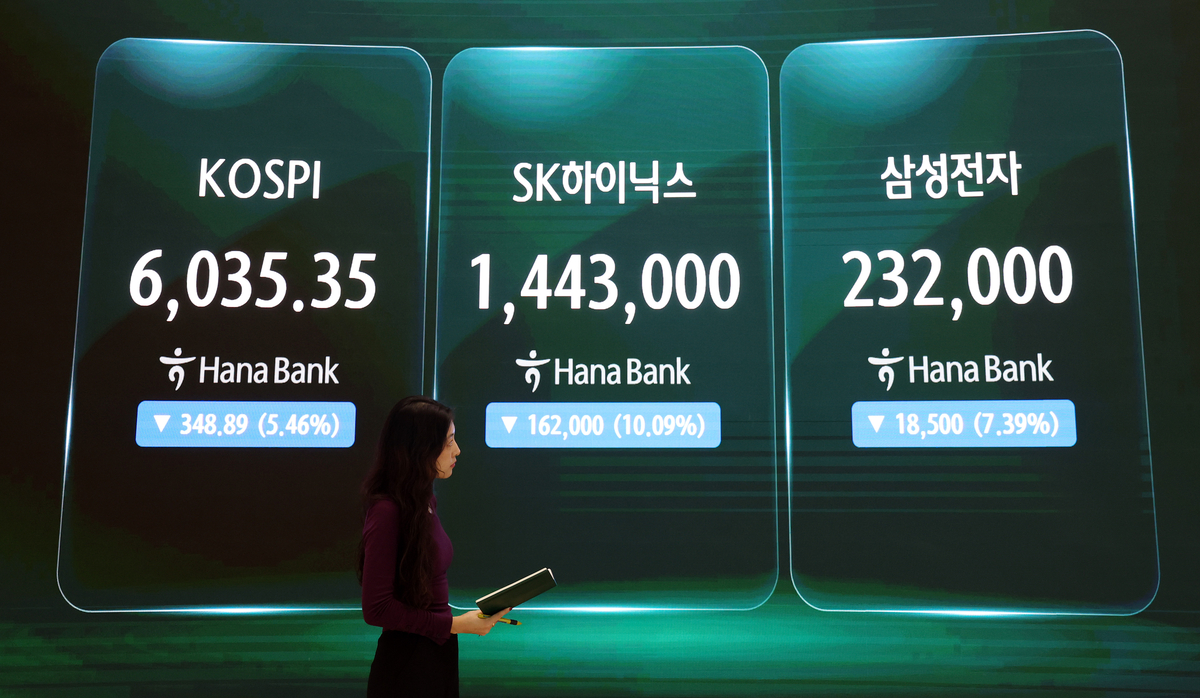
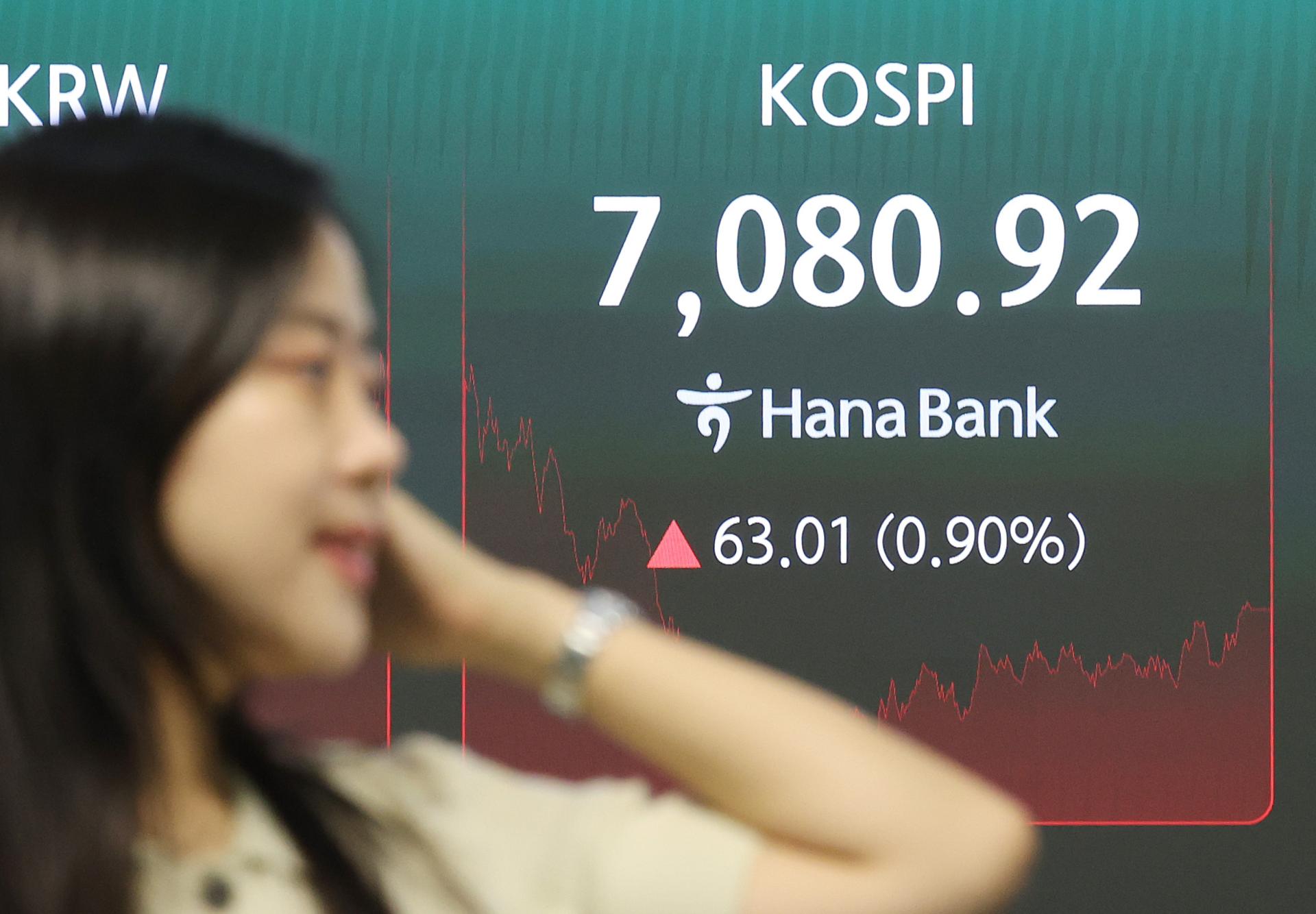
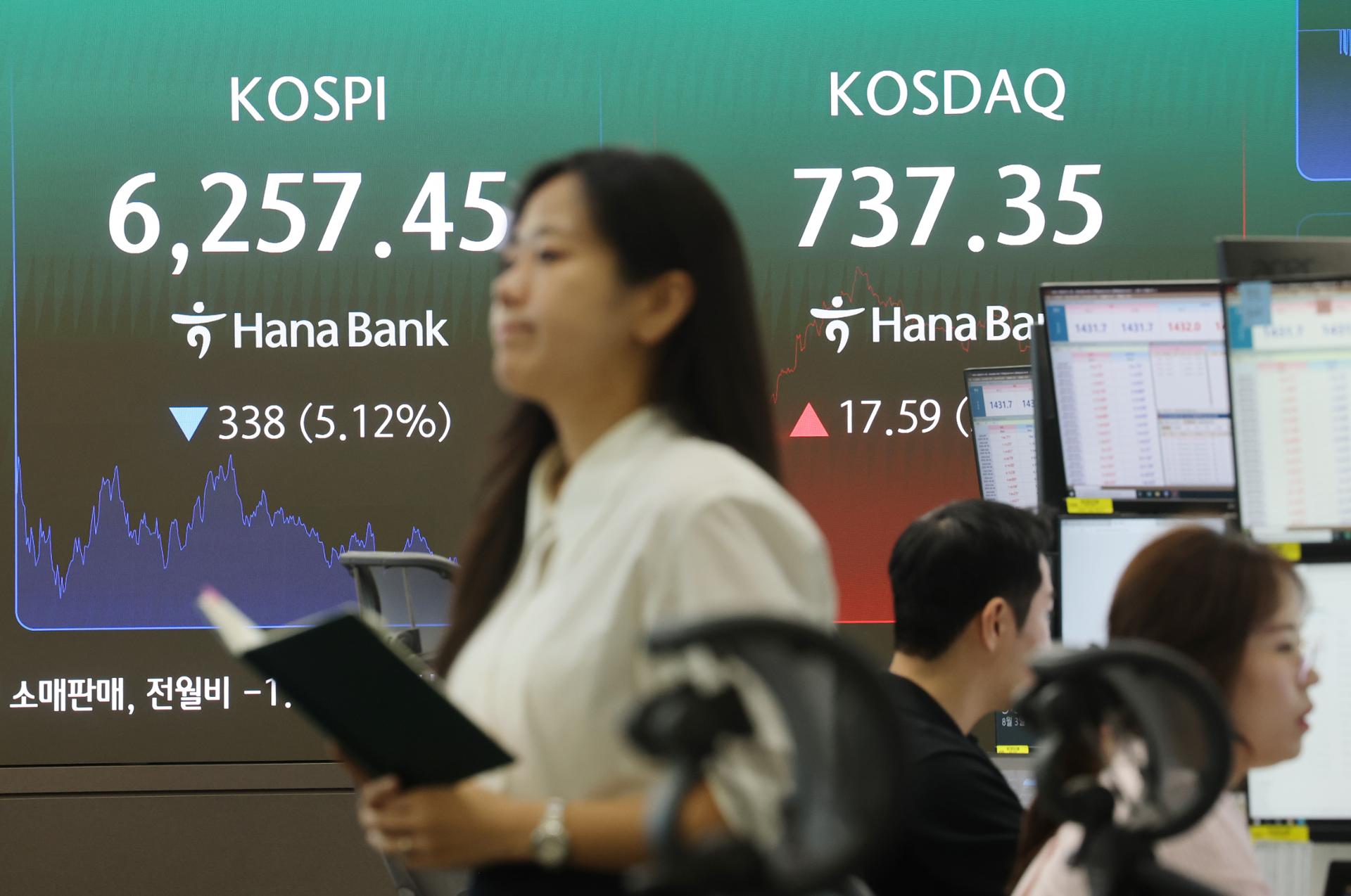
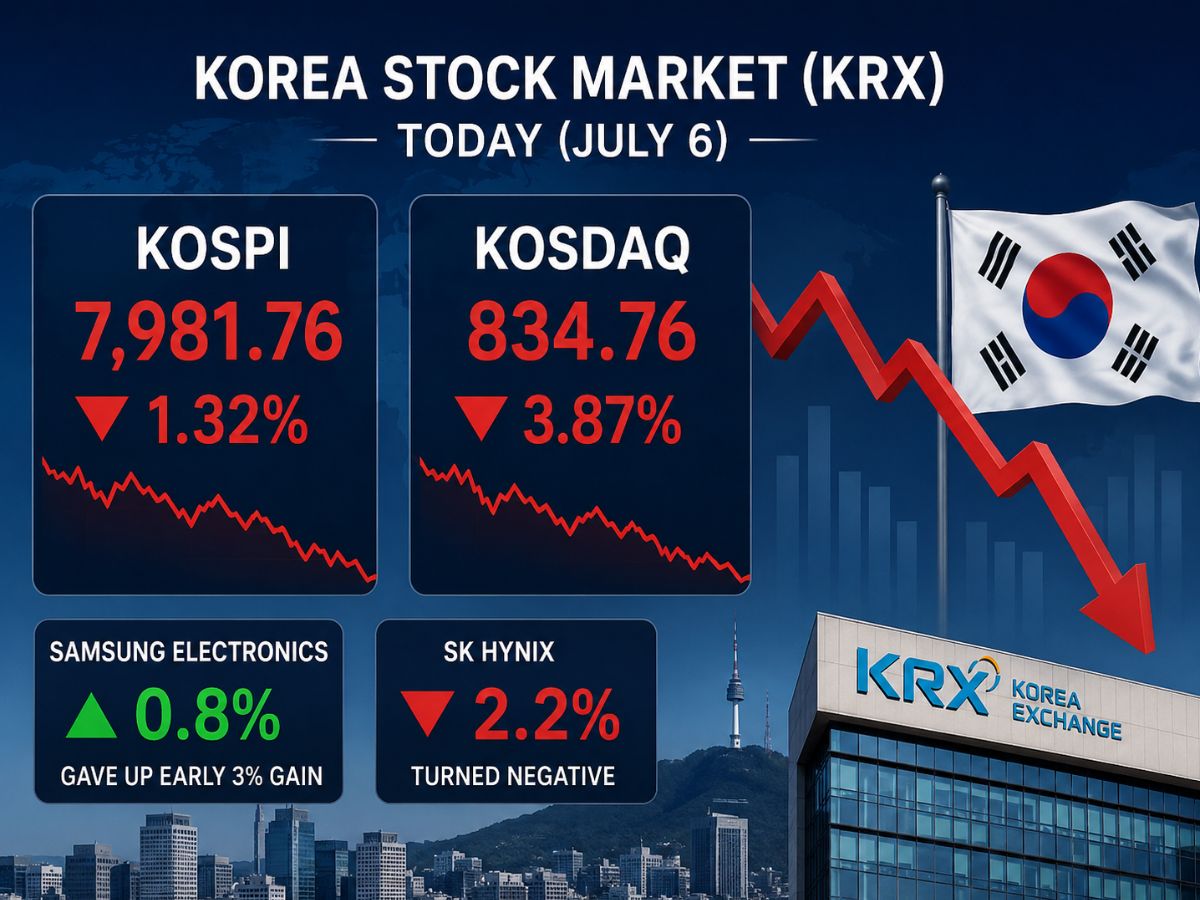
오늘(7월 20일) 코스피는 AI 주가 약세의 여파로 약 5%의 낙폭을 보였습니다. 중국의 AI 기술 진전 뉴스와 미국 반도체주의 부진이 국내 시장에 영향을 주며 투자심리가 위축된 모습입니다. 내일은 글로벌 기술주 흐름과 국내 기관 및 외국인의 수급 상황이 중요한 포인트가 될 것으로 보입니다.

I break down the latest U.S. market trends, interest rates, and key news to provide daily actionable strategies—including entry, stop-loss, and target prices—for stocks like Samsung Electronics, Mirae Asset Securities, Silicon Two, and KODEX 200.
오늘(7월 20일) 코스피는 AI 주가 약세의 여파로 약 5%의 낙폭을 보였습니다. 중국의 AI 기술 진전 뉴스와 미국 반도체주의 부진이 국내 시장에 영향을 주며 투자심리가 위축된 모습입니다. 내일은 글로벌 기술주 흐름과 국내 기관 및 외국인의 수급 상황이 중요한 포인트가 될 것으로 보입니다.
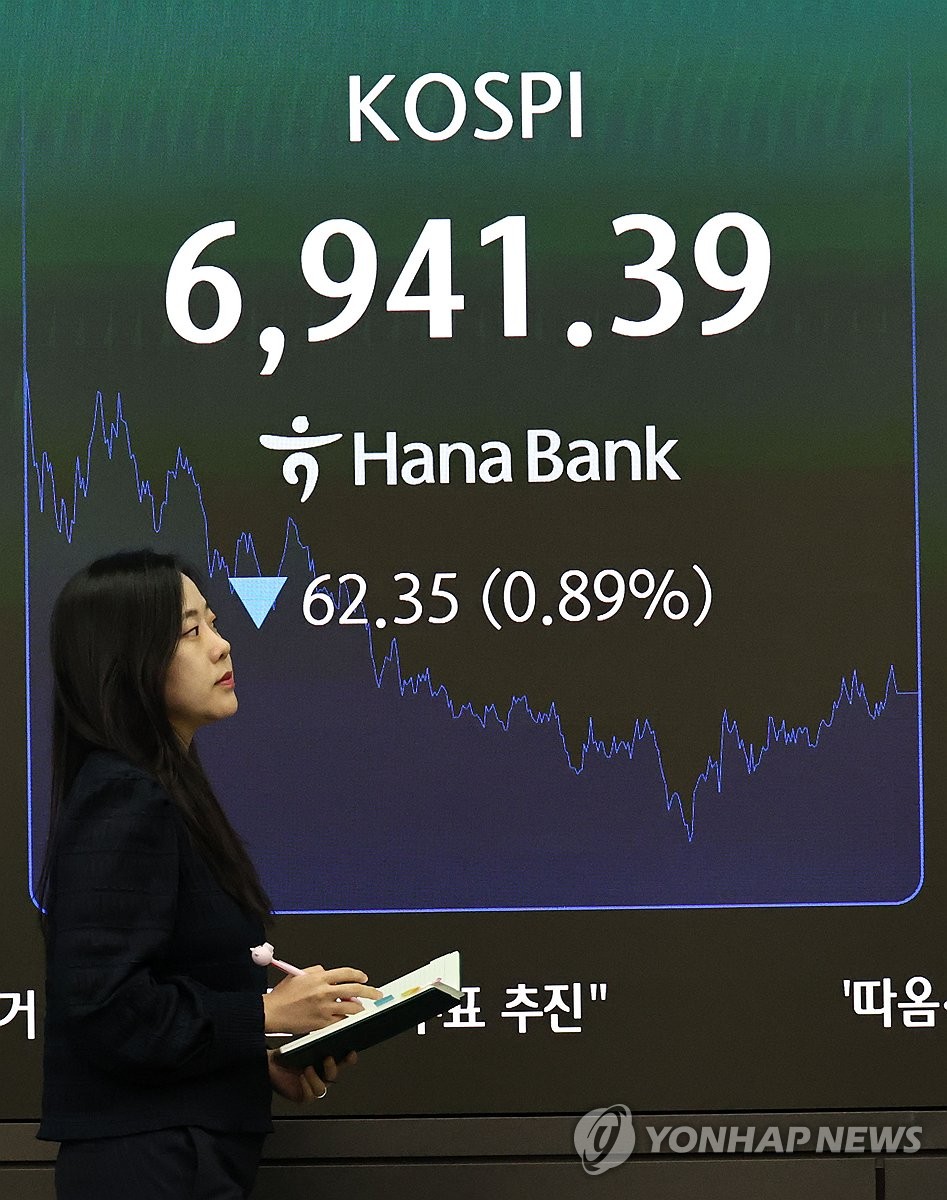
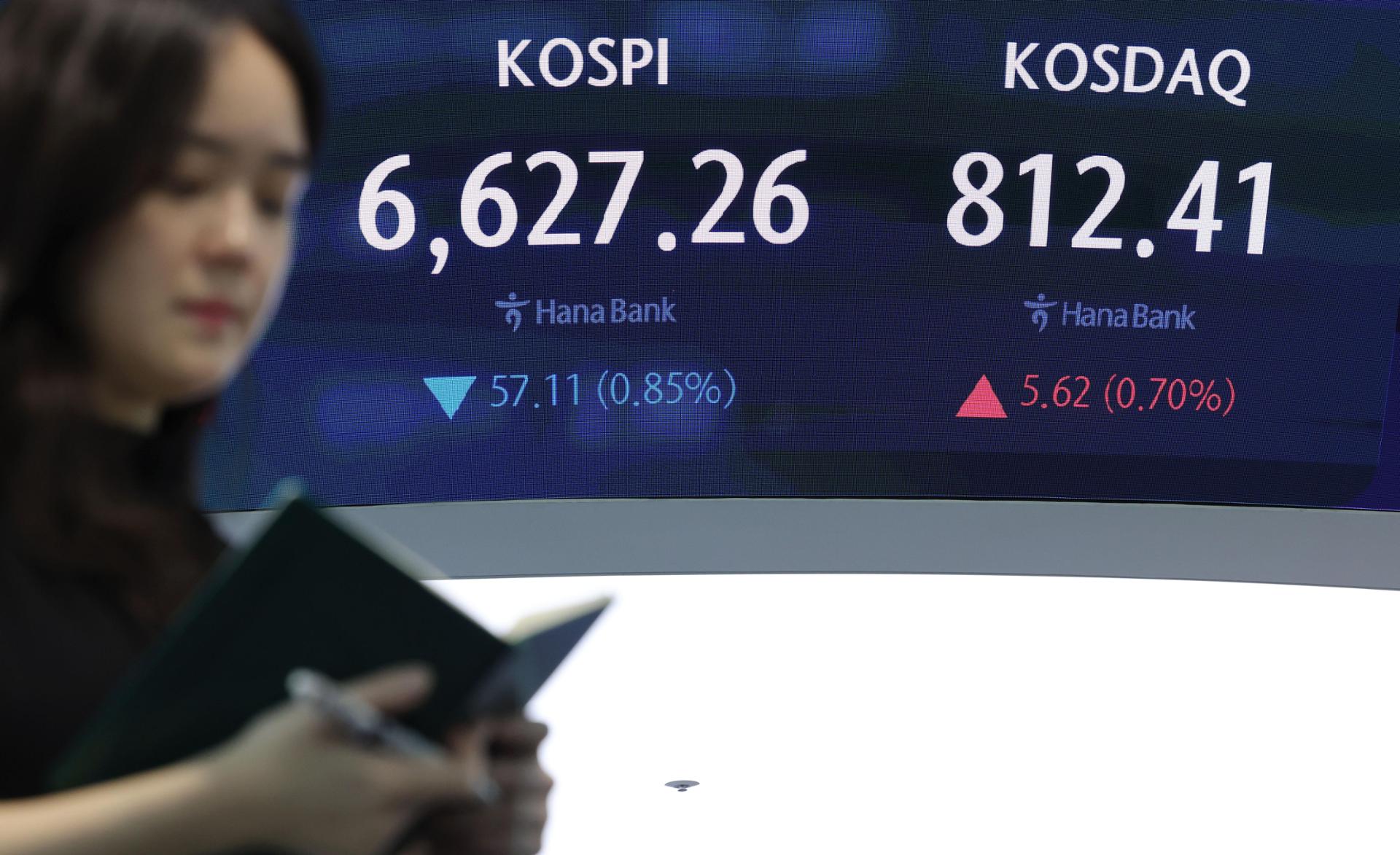
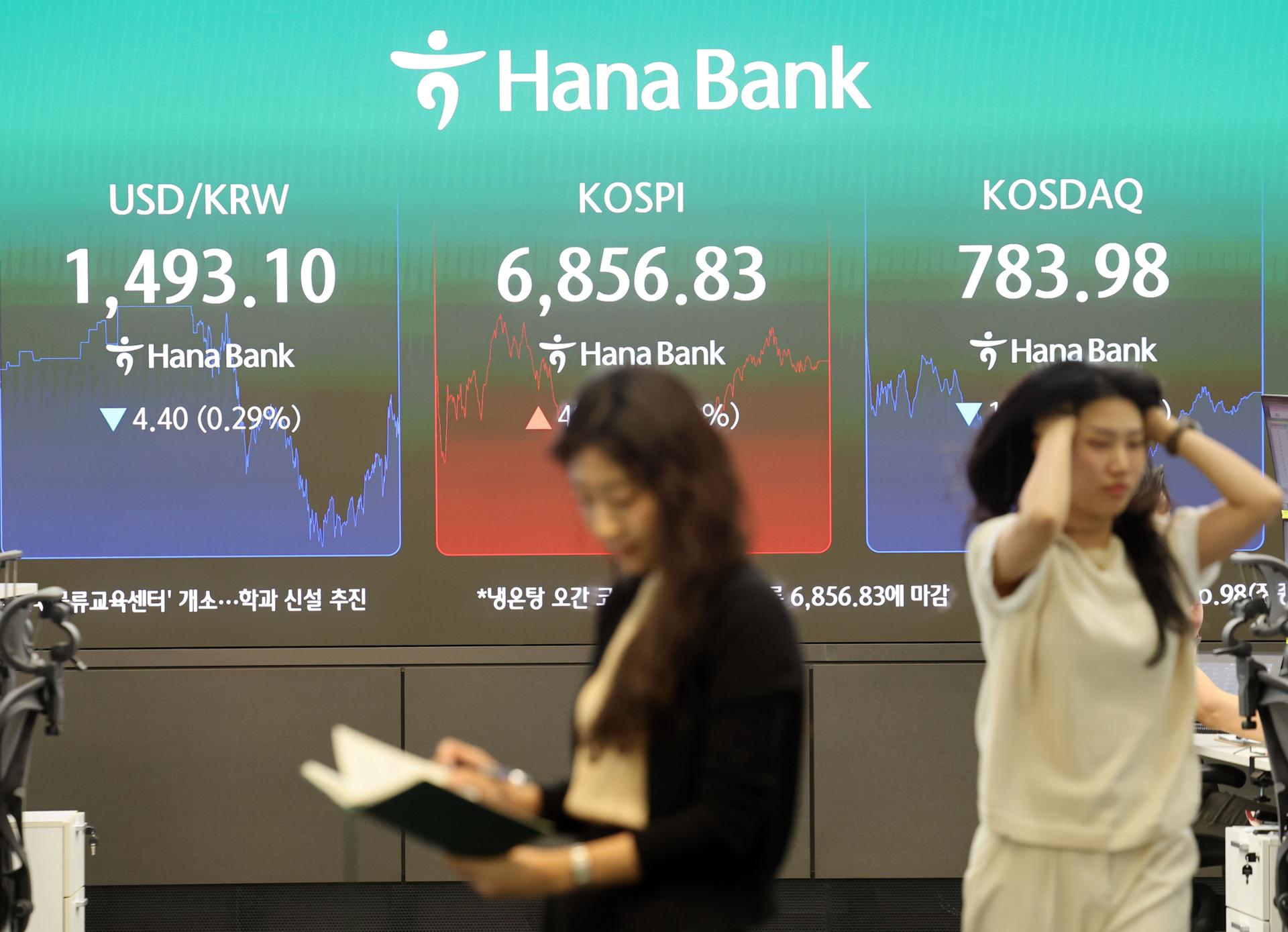
코스피가 어제(7월 14일) 6,856.83으로 마감하며 0.73% 반등했지만, 전날 8.95% 급락의 충격은 여전히 남아 있습니다. 미국 6월 CPI가 예상치를 밑돌며 금리 인상 우려가 줄었고 SK하이닉스의 미국 상장(ADR) 강세가 반도체 심리를 다소 살려냈으나, 종목별 수급 격차는 더욱 커지는 모습입니다. 투자자들은 오늘(7월 15일) 미국 실적 시즌 소식과 국내 경기지표를 살피며 7,000포인트 지지선 이탈 여부를 주의 깊게 관찰해야 합니다.

글로벌 기술주 약세로 국내 증시는 극심한 변동성을 겪고 있습니다. KOSPI는 8,000포인트를 두고 외국인 매도와 기관 수급 불균형으로 사이드카가 반복되는 상황이며, 미국 나스닥의 AI 칩 조정 여파가 삼성전자와 SK하이닉스에 그대로 전이되고 있습니다. 내일 시장은 기술주 투자 심리와 한국은행 금리 결정이 맞물리며, 반도체 섹터의 지지선 이탈 여부가 최대 관전 포인트가 될 것으로 보입니다.

지난 한 주간 코스피는 AI 칩 수급 우려와 미국 장기금리 변동성 속에서 극단적인 등락을 반복했습니다. 7월 초 외국인 대규모 순매도로 인한 낙폭을 딛고 지난주 중반 5% 반등했으나, 반도체주 수익 실현 압박이 지속되고 있습니다. 투자자들은 미국 고용지표 약화가 연방준비제도의 금리 인상 우려를 완화했다는 점을 주목하면서, 다음 주 국내 경제지표와 글로벌 반도체 수급 뉴스를 경계해야 합니다.

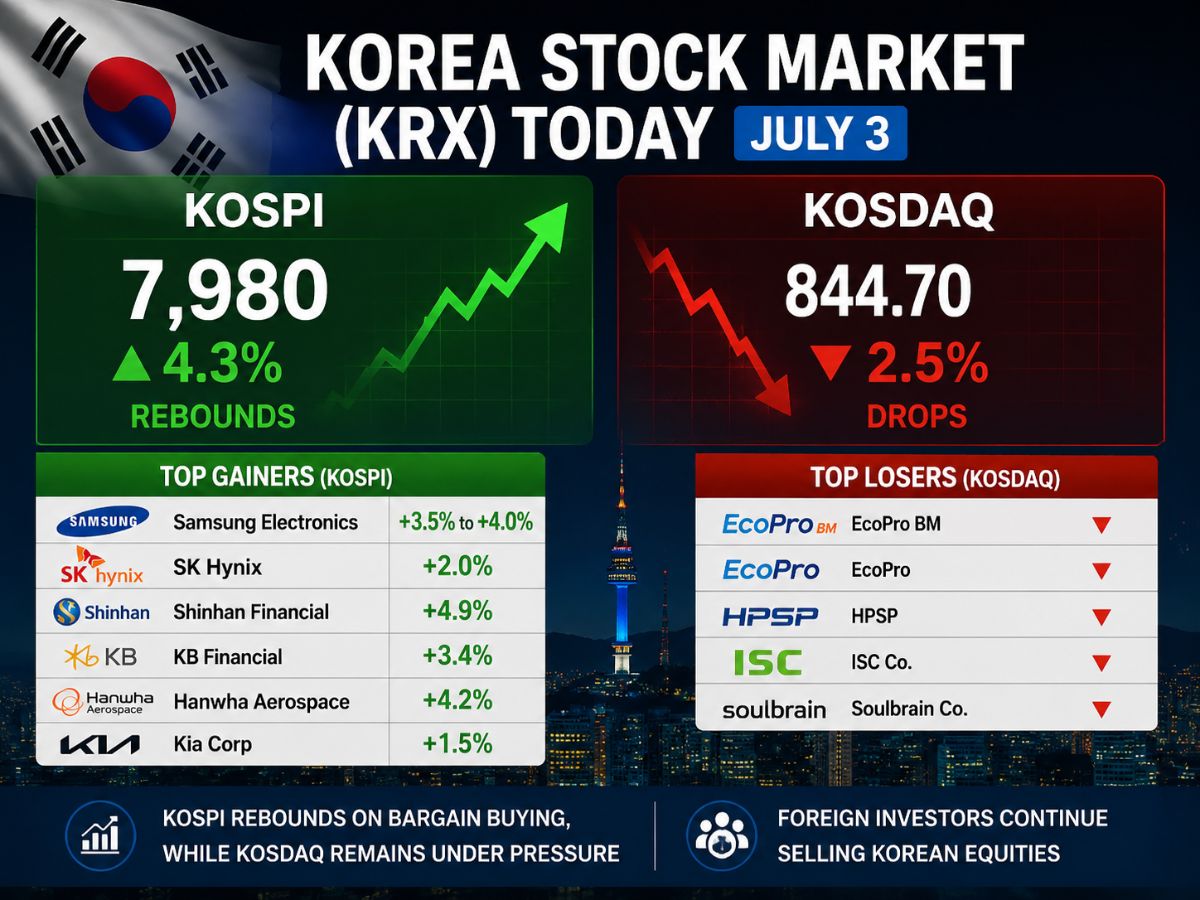
어제 7.89% 급락했던 코스피가 반도체 종목들의 강세에 힘입어 4.3% 반등하며 8,655.48에 마감했습니다. Meta의 클라우드 인프라 진출 소식으로 인한 AI 반도체 과잉 공급 공포가 일부 잦아들며 삼성전자와 SK하이닉스가 4% 이상 올랐습니다. 다만, 코스닥은 -2.5%로 약세를 면치 못하며 소형주 위주의 소외 현상이 심화되고 있으니, 내일 발표될 미국 고용 지표를 앞두고 변동성 관리에 유의하시기 바랍니다.

코스피가 8,411.21로 5.81% 하락하며 2거래일 연속 약세를 보였습니다. 미국 나스닥 기술주 부진, OpenAI IPO 지연설, 반도체 수급 악화가 삼성전자와 SK하이닉스 등 대형주를 강하게 압박했는데요. 투자자분들은 외국인 순매도 규모와 글로벌 기술주 모멘텀이 살아날지 주의 깊게 살펴봐야 할 시점입니다.

23일 코스피가 글로벌 AI 수급 조정과 외국인 이탈로 10% 가까이 폭락하며 9,700대까지 밀렸습니다. 삼성전자와 SK하이닉스 등 반도체주가 함께 무너진 가운데, 24일에는 해외 선물과 환율 흐름, 그리고 주요 기술적 지지선 유지 여부를 차분히 지켜보며 대응해야 합니다.

KOSPI가 9,000선을 넘으며 사상 최고치를 기록했지만, 금리 인상 우려와 이란 협상 이슈로 변동성이 커지고 있습니다. 외국인이 1.3조 원을 순매수했음에도 대형 반도체주로만 수급이 몰려 KOSDAQ과 중소형주는 부진합니다. 내일 미국 시장 재개장 후 반도체와 에너지 섹터 수급, 그리고 장기 금리 추이를 주의 깊게 지켜보세요.
The KOSPI surged 4.63% to regain the 8,100 level. Signs of progress in U.S.-Iran talks have eased oil prices and boosted global tech sentiment, with the return of foreign net buying serving as a key driver. Keep an eye on FOMC schedules and oil trends tomorrow while watching if the semiconductor and AI sectors can sustain their momentum.

The KOSPI surged over 7% today, triggering a buy-side sidecar. Following U.S. signals on Iran negotiations and a tech sector rebound, foreign and institutional investors have shifted to net buying. With the Korean market up 95% YTD, investors should watch for potential resistance breakouts in semiconductor leaders and check if this upward momentum holds.

The KOSPI closed down approximately 4% on the 11th due to weak tech stocks and geopolitical tension, fueled by signals of further U.S. attacks on Iran and concerns over Federal Reserve rate hikes. Sustained foreign net selling and semiconductor weakness are weighing on the market. For tomorrow, the strategy is to monitor U.S. inflation data and Middle East developments while scouting for potential entry points in tech.

The South Korean stock market saw the KOSPI plunge over 8% on June 8, triggering a circuit breaker amid a global sell-off in tech stocks driven by strong U.S. employment data and fears of Federal Reserve interest rate hikes. With large-scale foreign net selling hitting semiconductor and AI giants, investors should focus on technical rebound potential and shifts in foreign capital flow.

6월 8일, 코스피는 미국 고용지표 호조에 따른 Fed 금리 인상 우려로 장중 8% 이상 폭락하며 서킷브레이커가 발동되었습니다. 외국인의 대규모 매도세가 지수를 끌어내린 가운데, 9일은 외국인 수급 흐름과 반등 여부를 면밀히 살펴야 합니다.

The KOSPI triggered a circuit breaker after plunging over 8% at the market open. Strong U.S. employment data fueled speculation about Federal Reserve rate hikes, triggering a sell-off in global tech stocks that hit Korea’s semiconductor leaders hard, compounded by massive net selling by foreign investors. Tomorrow, keep a close eye on whether risk-off sentiment deepens and look for signals confirming a bottom for tech stocks.

On Friday, June 5th, KOSPI closed at 8,160.59, dropping 478.82 points (-5.54%), while KOSDAQ fell 47.29 points (-4.50%) to 1,002.44. U.S. Nasdaq crashed 4% due to semiconductor weakness and mounting rate hike concerns sparked by strong employment data, triggering global tech stock selloffs and heavy foreign fund outflows that weighed heavily on Korean markets. Investors need to closely monitor whether the tech stock adjustment continues through the weekend or if a rebound opportunity emerges.

On June 5th, KOSPI fell to 8,160.59, down 478.82 points (-5.54%), while KOSDAQ dropped to 1,002.44, down 47.29 points (-4.50%). Weak earnings guidance from U.S. semiconductor companies, deepening global chip sector adjustments, and heavy foreign net selling pressured the Korean market. Tomorrow's key watch points include rising rate hike concerns from strong U.S. employment data and whether the tech stock avoidance trend continues.

On June 4th, KOSPI faced selling pressure in semiconductor stocks due to Middle East tensions, while KOSDAQ gained 2% buoyed by government stimulus expectations. The U.S. S&P 500 ended a 9-day winning streak and faced headwinds from rising oil prices and bond yields, dragging the Korean market lower in tandem. Tomorrow's key focus: whether the 8,500–9,500 won box range holds amid the tug-of-war between geopolitical risk in the Middle East and semiconductor earnings outlook.

The KOSPI opened on June 2 at 8,883.19, up 1.08% from the previous day, but is facing stiff resistance. While the U.S. Nasdaq hit all-time highs on a tech rally fueled by NVIDIA’s new chips, the domestic market is still feeling the impact of a record-breaking 45 trillion won in cumulative foreign net selling throughout May. A 2 trillion won net buy by institutions is propping up the market, intensifying the polarization around tech stocks. Tomorrow’s focus will be on the U.S. FOMC meeting and Korea's May inflation data.

KOSPI pierced the 8,800 level and hit an all-time high, but 82% of listed companies are weakening in a deepening "concentration phenomenon." Samsung Electronics surged on news of NVIDIA CEO Jensen Huang's Korea visit, pushing its market cap above 2 trillion won, yet foreign investors' record net selling (45 trillion won in May) poses a lingering threat. Watch closely for tomorrow's U.S. FOMC decision and the alarm bells ringing from VKOSPI breaching the 50 mark.

KOSPI closed at 8,476.15, up 8.01% for the last week of May, but foreign investors' record net selling of 45 trillion won and declining shares among 82% of listed companies are deepening market polarization. While the US S&P 500 and Nasdaq hit all-time highs and Iran ceasefire extension helped oil prices fall, KOSPI faces liquidity pressure from foreign capital outflows. As June begins, interest rates, oil prices, and record margin levels of 37 trillion won will be critical factors to watch.

Create custom signals on any topic. AI curates and delivers 24/7.
Create Signal