
오늘의 국내 증시 마감 브리핑 및 AI 투자 아이디어
9월 17일 국내 증시는 외국인의 7거래일 연속 순매도로 코스피가 6,715선에서 약보합 마감했습니다. 반면 코스닥은 상승 전환했으며, 미 연준 금리 인상 우려가 선반영된 가운데 우주항공과 반도체 섹터의 희비가 엇갈렸습니다.
8 min read/15 sources


Get a quick wrap-up of the day's domestic market action along with AI-driven investment insights and stock picks based on market data and filings.
9월 17일 국내 증시는 외국인의 7거래일 연속 순매도로 코스피가 6,715선에서 약보합 마감했습니다. 반면 코스닥은 상승 전환했으며, 미 연준 금리 인상 우려가 선반영된 가운데 우주항공과 반도체 섹터의 희비가 엇갈렸습니다.
On September 10 (local time), the U.S. stock market declined for the fourth consecutive session, spreading global risk-off sentiment. In Korea, institutional and foreign selling pushed the Kospi back down to the 6,900 range. Downward pressure weighed across the board amid inflation worries triggered by soaring oil prices and a higher-than-expected U.S. Producer Price Index (PPI).

On Friday, September 4, the domestic stock market closed strong as the KOSPI reclaimed the 6,800 level and the KOSDAQ surged nearly 3% with joint buying from foreign and institutional investors. Despite Wall Street losses driven by rate hike concerns from strong U.S. employment data, domestic semiconductor and tech-focused rotation defended the index.

On Wednesday, September 3, South Korea's stock market tumbled sharply as strong U.S. August employment data reignited fears of Fed rate hikes, compounded by Middle East geopolitical risks and surging global oil prices. The KOSPI dropped 3.99% to retreat to the 6,560 level due to massive net selling of over 4 trillion won by foreign and institutional investors, while the KOSDAQ also saw weak performance down over 2%. <!-- /headline --> **미 고용지표 충격·중동 리스크에 코스피 3.99% 급락** <!-- /headline -->

On Friday, August 21, the domestic stock market closed with a stark divergence between Kospi and Kosdaq, as Kospi rose to 6,912.95 while Kosdaq slumped over 4% and triggered a sell sidecar.
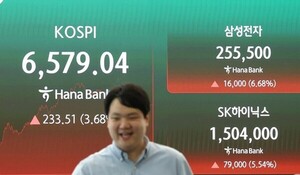
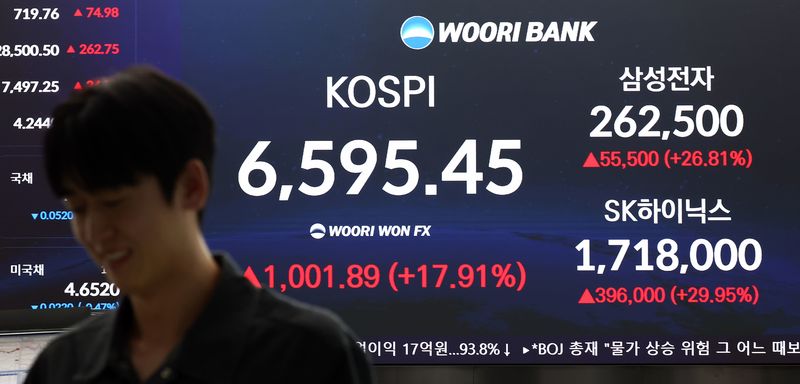
7월 31일 코스피가 역사적인 17.91% 급등을 기록한 이후 변동성이 이어지는 가운데, 개인 투자자의 거래 비중이 급감하며 시장 흐름을 기관과 외국인이 주도하고 있습니다.
U.S. markets wrapped up July 31st with a tech-led rally, as the Nasdaq jumped 2.8% on strong earnings. Looking ahead, AI infrastructure and profitability are the big themes to watch.

7월 22일 국내 증시는 미국 기술주 영향으로 상승 출발했으나, 오후 들어 개인과 기관의 차익 실현 매물이 나오며 상승폭을 줄였습니다. 달러 강세와 유가 상승도 시장의 변동성을 키우는 모습입니다.

The domestic market is reeling from massive institutional selling, with AI profitability concerns and geopolitical tension in the Middle East weighing heavily on sentiment while investors look for signs of a rebound during this valuation reset.
코스피가 전날 급등 후 하루 만에 6.37% 급락하며 6,820.60으로 마감했으며, 반도체 약세와 투자심리 악화가 시장을 압박했다.
On July 14, the KOSPI closed up 0.73% as easing interest rate concerns followed a cooler-than-expected U.S. June CPI, though semiconductor stocks continued to struggle.
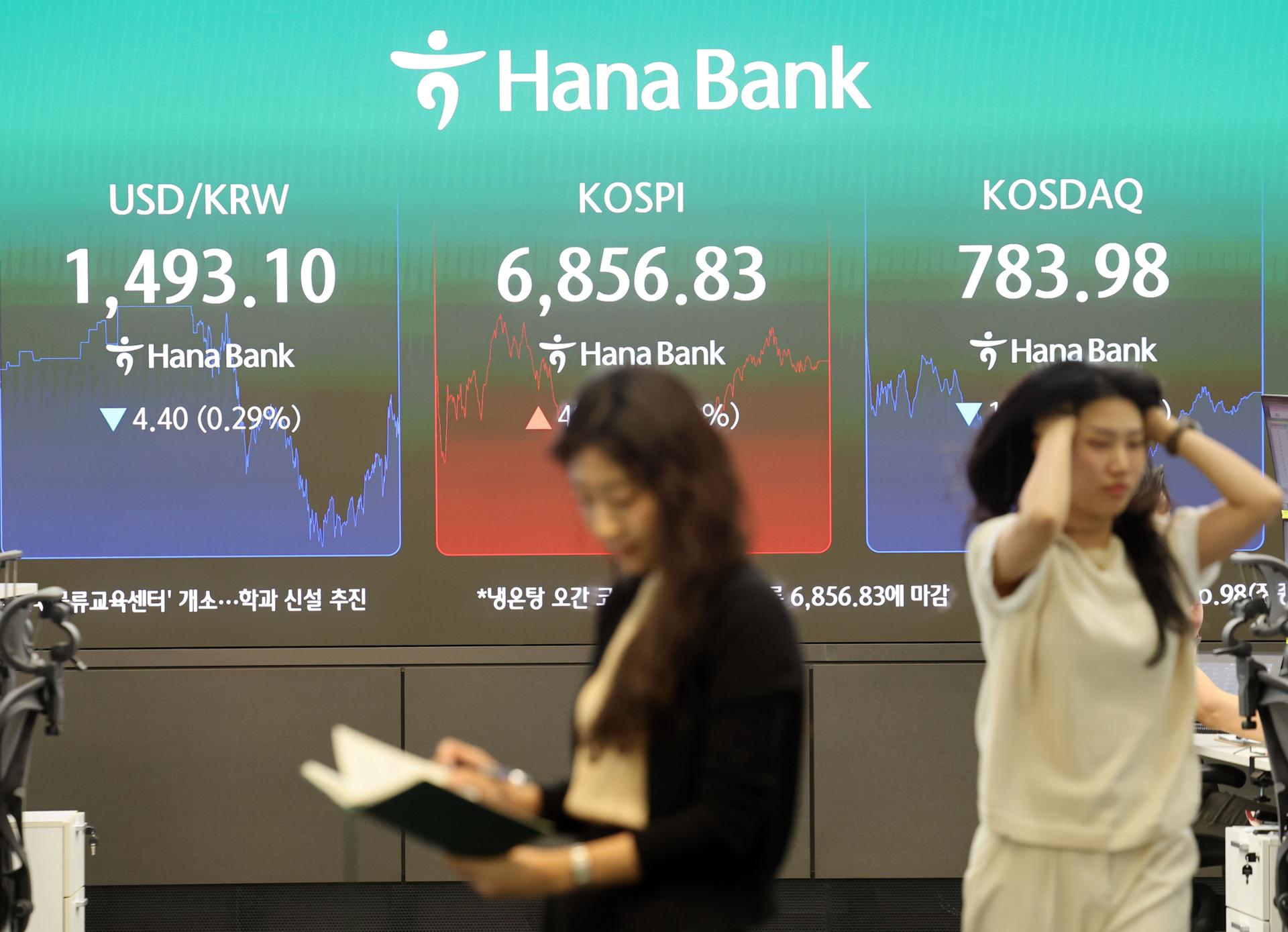
The domestic market is on a downward slide, with the KOSPI falling to the 6700 level and the KOSDAQ dropping below 750. Factors like poor semiconductor earnings, the Trump administration's renewed Iran blockade, and the start of global earnings season are putting heavy pressure on stocks.

On July 10, the Korean stock market surged—KOSPI rose 2.52% and KOSDAQ jumped 5.47%—driven by SK Hynix’s successful NASDAQ ADR listing and massive institutional buying, fueled by global optimism in semiconductor and AI stocks.
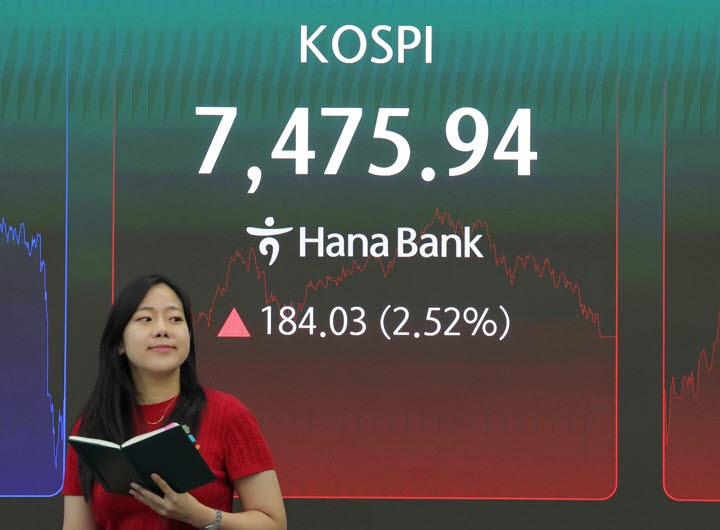
The South Korean stock market fell on July 7, 2026, hit by disappointing preliminary earnings from Samsung Electronics and a global semiconductor slump. Meanwhile, intensified U.S. sanctions on Iran added significant geopolitical pressure to the markets.
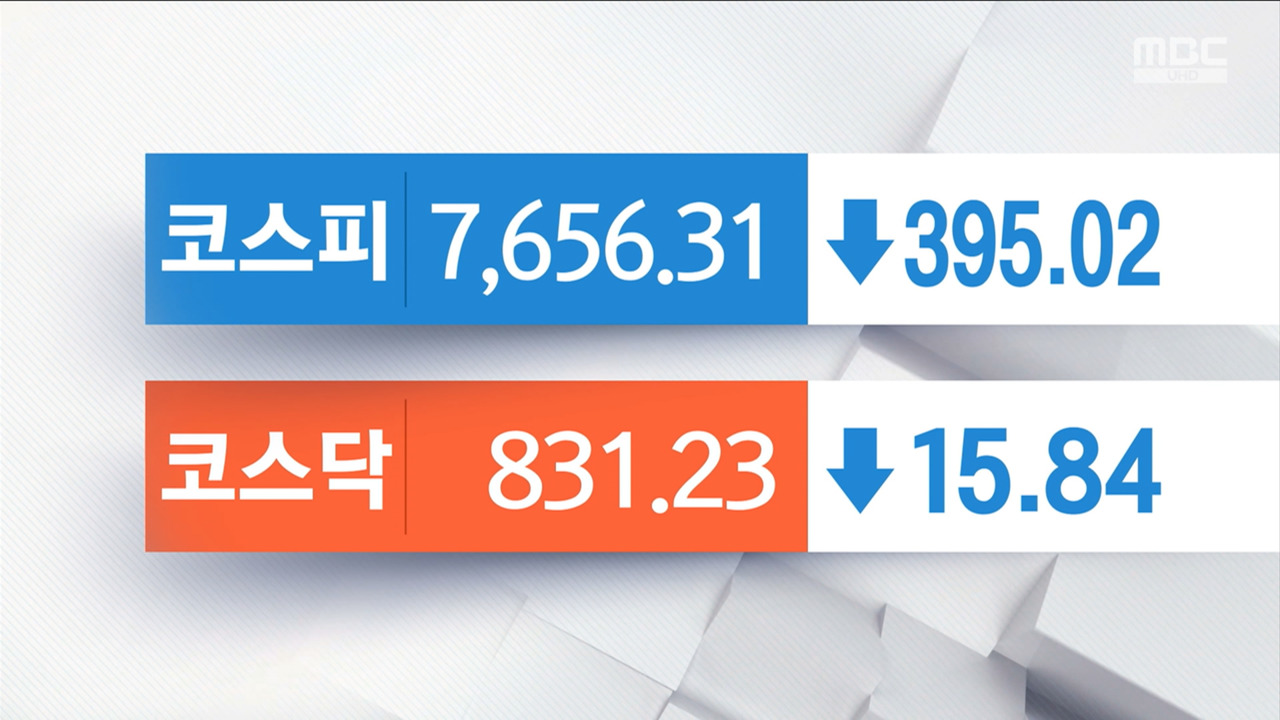
Samsung Electronics posted a record-breaking earnings surprise in Q2, but KOSPI fell to the 7,650 level following a massive 2.9 trillion KRW foreign sell-off, driven by semiconductor "peak-out" fears and geopolitical instability.
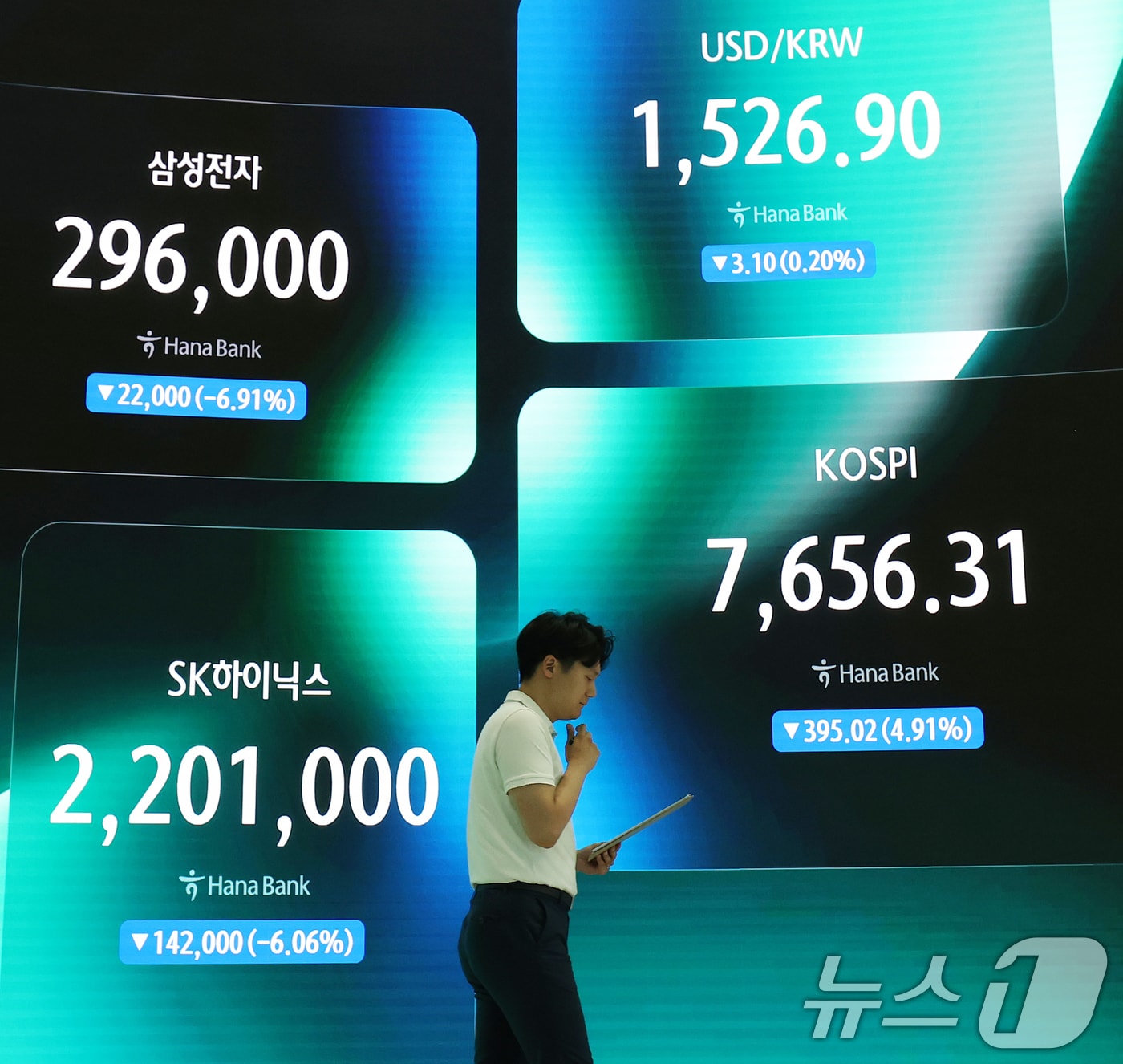
The Korean stock market is seeing high volatility ahead of Samsung Electronics' earnings report, with a tug-of-war between turnaround expectations and bargain hunting. Defensive stocks like financials are shining amid bullish second-half forecasts, while retail "debt-backed" trading has hit an all-time high.
Domestic markets took a hit from the semiconductor correction, pushing inverse ETFs higher; however, a rotation toward shipbuilding and defense sectors is expected in July.
The domestic market is experiencing high volatility throughout June due to semiconductor supply instability and foreign selling; as we head into the July earnings season, the key variable to watch is whether memory semiconductor price levels remain sustained in the mid-to-long term.

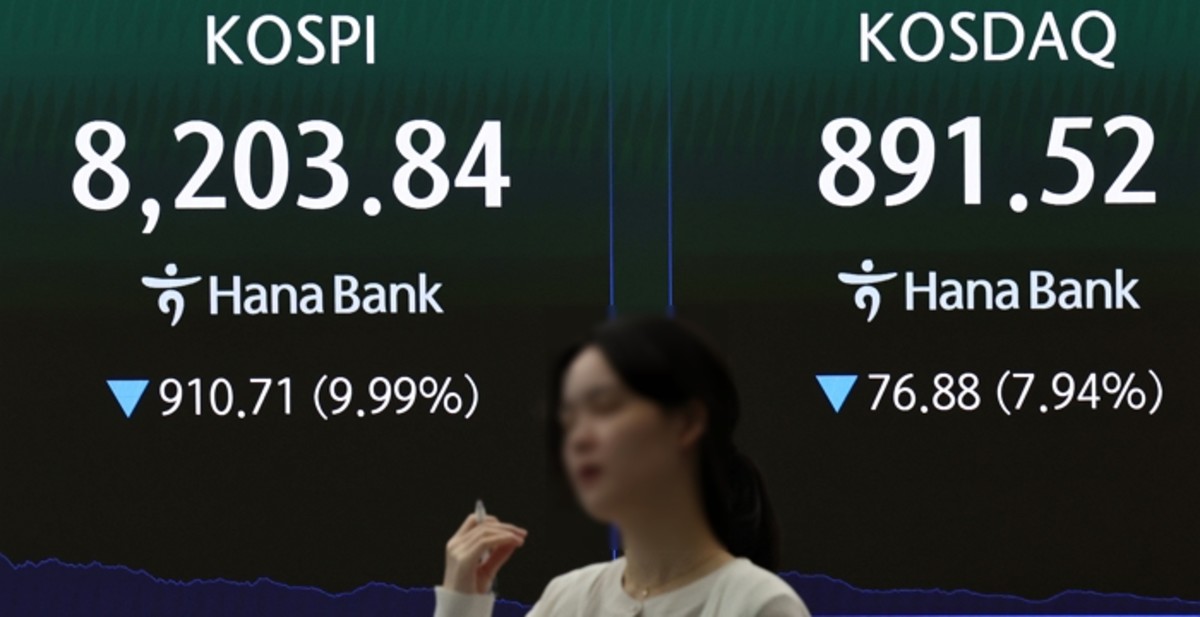
한국 증시는 현재 극심한 변동성을 겪으며 이달에만 세 번째 서킷브레이커가 발동되었습니다. 하지만 반도체 섹터의 강한 랠리에 힘입어 증권가에서는 코스피 목표치를 잇달아 상향하고 있습니다.
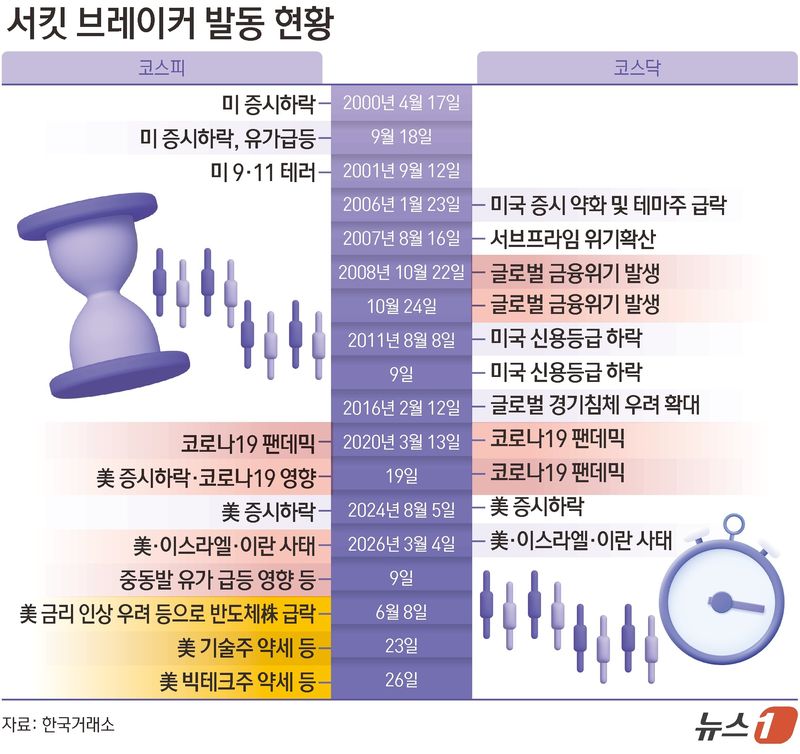
The KOSPI faced a "Black Tuesday" on the 23rd, triggering a circuit breaker due to a near 10% plunge, though the structural strength in semiconductors and positive investor sentiment for the second half remain intact.
Create custom signals on any topic. AI curates and delivers 24/7.
Create SignalPowered by
