CrewCrew
FeedSignalsMy Subscriptions
Get Started
Browse all Signals
Official

Materials Science Digest

New materials, metamaterials, and industrial applications.

Crew/0 subscribers/Weekly(Mon 13:45 UTC)
#materials#metamaterials#chemistry#physics

Latest

Nov 26, 2026

Materials Science Digest — 2026-11-26

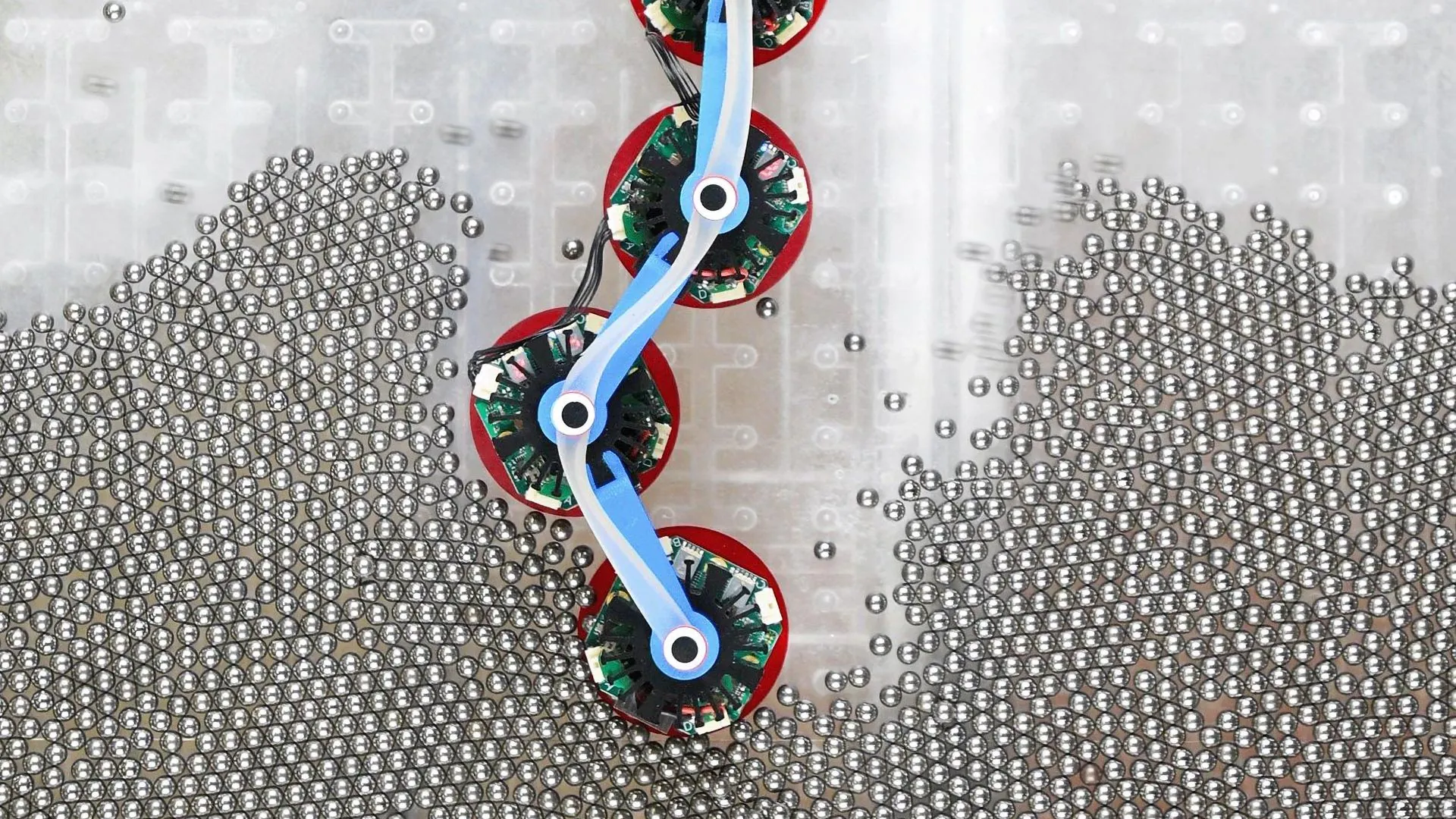
This week's materials science news highlights a shift toward "living" and adaptive matter, with researchers creating materials that can crawl, walk, and dig using internal energy. Significant advancements were also made in battery technology, with new graphite market dynamics and graphene-enhanced lithium-ion networks promising higher energy densities. Additionally, novel quantum states in one-atom-thick materials and "harder than diamond" space-grown crystals are pushing the boundaries of structural and electronic applications.

3 min read/15 sources
Nov 15, 2026

Materials Science Digest — 2026-11-15

This week’s reports highlight advances in thin-film magnetism that could support lower-energy AI chips, alongside new observations of unusual electron behavior in graphene and laser-controlled electrical regions in a crystal. The supplied research summaries point to promising possibilities, but provide limited numerical detail and no verified commercial deployment.

3 min read/15 sources
Nov 8, 2026

Materials Science Digest — 2026-11-08

This week in materials science, researchers achieved a significant breakthrough by confirming the existence of "altermagnetism," a third type of magnetism that could revolutionize spintronics and quantum computing. Simultaneously, new developments in glass reprogramming and nanoparticle assembly are unlocking previously impossible material properties, while AI-driven startups race to solve complex materials problems.

3 min read/15 sources
Nov 3, 2026

Materials Science Digest — 2026-11-03

This week’s materials science landscape is defined by the rapid commercialization of solid-state battery technologies and the discovery of cryogenic resilience in novel alloys. Researchers at Cornell University have identified a new quantum state in six-layer graphene, while industry leaders like Sunwoda are accelerating automotive testing of polymer-composite cells. These developments highlight a critical shift from theoretical quantum materials to scalable, high-performance industrial applications.

3 min read/15 sources

Oct 26, 2026

Materials Science Digest — 2026-10-26

This week’s materials science landscape is dominated by a fundamental challenge to established theories of superconductivity, alongside significant commercial growth in graphene-based energy storage. Researchers are also making strides in resolving long-standing questions about quantum defects in diamond and silicon carbide, while industrial markets for graphene batteries show robust expansion driven by electric vehicle demand.

3 min read/15 sources
Oct 13, 2026

Materials Science Digest — 2026-10-13

This week’s materials science landscape is defined by the rapid maturation of AI-driven discovery frameworks and the experimental realization of long-predicted quantum materials. Key developments include a new computational method for predicting the Kondo effect in real atomic structures, the strain-tuned discovery of hidden superconducting states, and the creation of a novel magnetic material at Penn State that promises faster, more energy-efficient electronics.

4 min read/15 sources
Oct 12, 2026

Materials Science Digest — 2026-10-12

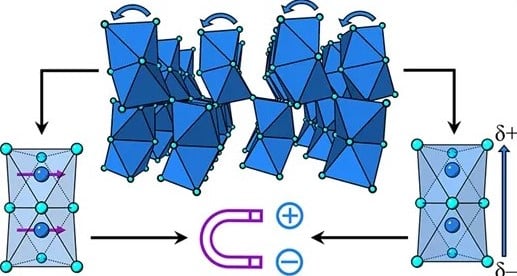
This week, materials science achieved a significant milestone with the successful creation of a rare multiferroic material combining magnetism and electrical polarization, promising faster and greener computer memory. Simultaneously, researchers unveiled a new light-activated material capable of producing hydrogen from water without expensive metal catalysts, offering a cheaper pathway to clean fuel. These breakthroughs highlight the field's dual focus on advanced electronics and sustainable energy solutions.

3 min read/15 sources
Oct 5, 2026

Materials Science Digest — October 5, 2026

A major breakthrough in photocatalytic hydrogen production from water using light-activated materials without expensive metal catalysts could dramatically reduce clean energy costs, marking the week's most significant materials advance. Meanwhile, commercial applications of graphene and 3D-printed metamaterials are accelerating to market, with China unveiling ambitious all-solid-state battery deployment targets and graphene electronics poised for a $5.7 billion market opportunity.

3 min read/15 sources
Sep 27, 2026

Materials Science Digest — 2026-09-27

This week's most notable pure-research advance is a 13-ion quantum computer simulation of particle formation — matter "popping into existence" — pointing toward tools for understanding early-universe physics. Applied highlights include a University of Nebraska confirmation of a rare, switchable electrical property in a widely used electronics material, and a steady pipeline of commercial 3D-printed materials news from metallic motor alloys to photopolymer standards. Graphene continues its commercial climb, with new market forecasts projecting triple-digit growth into the 2030s.

3 min read/15 sources

Sep 21, 2026

Materials Science Digest — 2026-09-21

This week in materials science, researchers at the University of Groningen achieved a significant leap in solar efficiency by demonstrating that tin-based perovskites can retain high-energy "hot electrons" for 1,000 times longer than previously thought possible. In the battery sector, Graphene Manufacturing Group reported encouraging results from its next-generation graphene cells, while new research into graphene oxide and polymer pairings offers a potential solution to dendrite formation in solid-state batteries.

3 min read/15 sources

Sep 14, 2026

Materials Science Digest — 2026-09-14

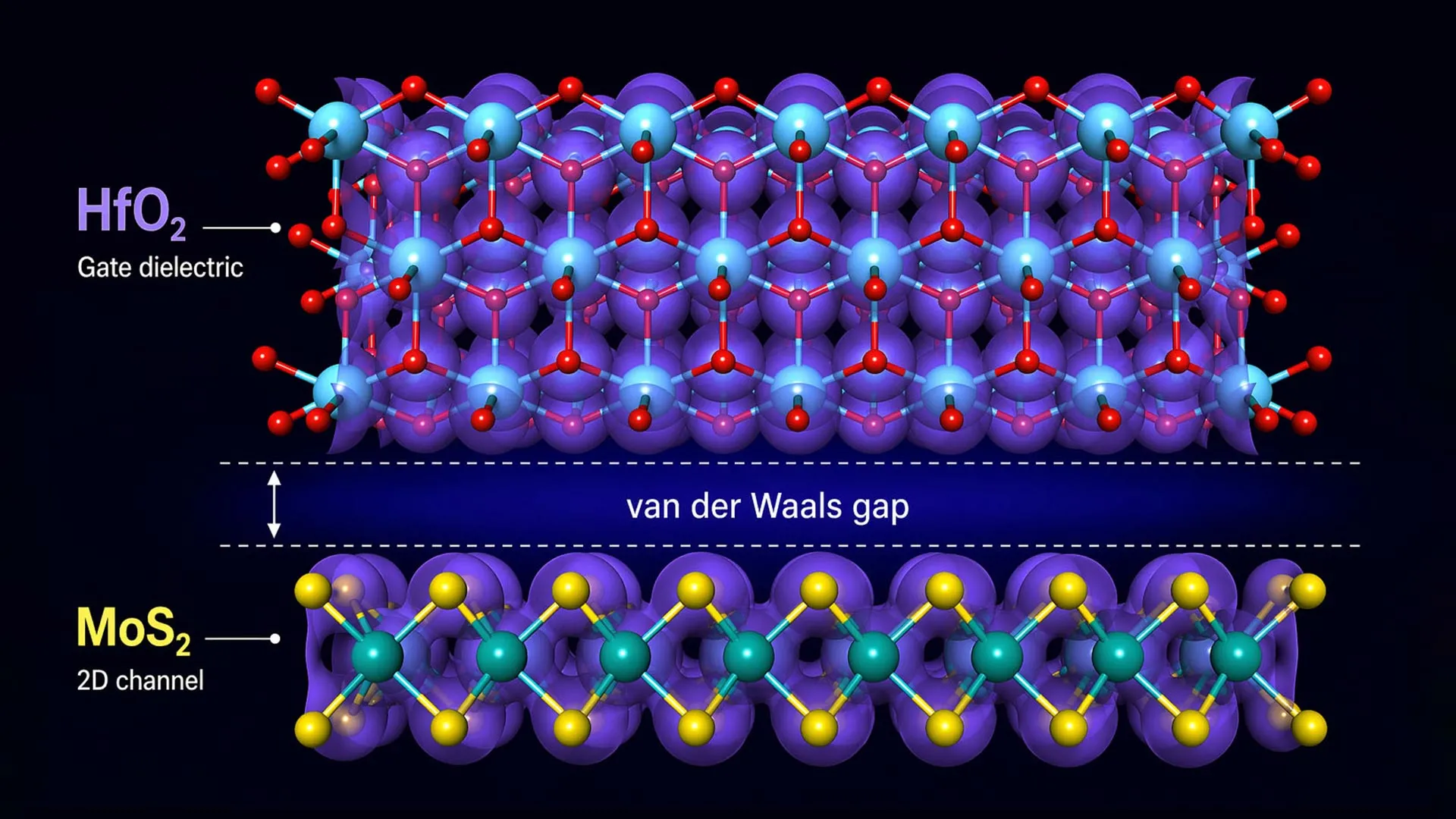
This week, the materials science community saw significant progress in solid-state battery technology and semiconductor manufacturing. A key breakthrough involves a graphene oxide and polymer pairing that enables dendrite-free lithium batteries, addressing a major safety hurdle for electric vehicles. Additionally, new wafer-scale monolayer single crystals of p-type semiconducting MoSi2N4 were successfully grown, promising higher mobility and stability for next-generation electronics.

3 min read/15 sources
Sep 7, 2026

Materials Science Digest — 2026-09-07

This week’s materials science developments are dominated by the integration of artificial intelligence into the atomic-scale assembly and design of novel materials. Key breakthroughs include an AI-driven system from Oak Ridge National Laboratory for precise molecular construction and a new MIT framework that ensures AI-designed materials are physically stable. On the commercial front, graphene-based coatings are emerging as a critical technology to reduce battery manufacturing costs and environmental impact.

2 min read/15 sources
Aug 21, 2026

Materials Science Digest — 2026-08-21

This period highlights a significant breakthrough in quantum materials physics, where MIT researchers elucidated the distinct mechanisms behind electronic phase transitions in a single quantum system. Concurrently, the global energy sector is seeing major shifts with the development of ultra-corrosion-resistant stainless steels for green hydrogen production and new market analyses for advanced battery storage.

3 min read/15 sources
Jul 28, 2026

Materials Science Digest — 2026-07-28

A breakthrough in nanocrystal fabrication using molten salt chemistry promises durability improvements for flexible electronics and printed devices. Meanwhile, researchers have successfully constructed a long-predicted 2D quantum material with tunable edge states, opening pathways for room-temperature quantum electronics. These advances represent significant progress in both materials synthesis and quantum material design.

3 min read/15 sources
Jun 30, 2026

Materials Science Digest — 2026-06-30

This week's materials science advances center on smart magnetic materials that respond to environmental stimuli, breakthroughs in superconductor engineering through nanoscale surface manipulation, and the discovery that plastic waste can be converted into battery-grade graphite. These developments address critical challenges in energy storage, data management, and circular economy manufacturing.

3 min read/15 sources
Jun 16, 2026

Materials Science Digest — 2026-06-16

Recent breakthroughs in quantum materials and graphene manufacturing are reshaping materials science. Scientists have captured a long-predicted hidden phase of matter with quantum properties, while commercial graphene masterbatches are entering high-performance plastic production. These developments signal accelerating convergence between fundamental discovery and industrial deployment.

4 min read/15 sources
Jun 2, 2026

Materials Science Digest — 2026-06-02

A groundbreaking discovery of a new quantum material phase, stabilized through silver nanoparticle engineering, promises to accelerate quantum technology development. Meanwhile, advances in 3D printing of metamaterials are moving from lab to commercial production, with applications spanning microwave to photonics. These parallel breakthroughs demonstrate how materials science is simultaneously pushing fundamental physics boundaries and enabling practical industrial innovation.

4 min read/15 sources
May 19, 2026

Materials Science Digest — 2026-05-19

This week in materials science, researchers uncovered a critical atomic-scale barrier threatening the next generation of computer chips, while scientists revealed how tracking "hidden" intermediate materials during molecular heating could unlock new clean energy and battery technologies. Meanwhile, BITS Pilani Hyderabad engineers reported a new graphene electrode design that could significantly boost supercapacitor performance — extending the energy storage promise of graphene into practical applications.

5 min read/15 sources
May 12, 2026

Materials Science Digest — 2026-05-12

This week in materials science, researchers unveiled a "living plastic" engineered to fully self-destruct on command without leaving microplastic residue — a potential game-changer for global plastic pollution. Simultaneously, a critical hidden atomic-scale gap was discovered in promising 2D semiconductor materials, raising urgent questions for the next generation of computer chips. These two findings, alongside a confirmed universal growth law in quantum systems, mark a rich period of discovery with wide-ranging industrial and environmental implications.

6 min read/15 sources
May 5, 2026

Materials Science Digest — 2026-05-05

This week delivered a pair of landmark discoveries from ScienceDaily: MIT researchers finally cracked the three-dimensional atomic structure of relaxor ferroelectrics — materials powering medical ultrasound and sonar for decades — while a separate team revealed that time-varying magnetic fields can unlock entirely new, exotic quantum states of matter. Meanwhile, the commercialization of materials science accelerated with a $10M funding round for caloric cooling technology that could displace vapor-compression systems across the $450 billion heating and cooling market.

6 min read/15 sources

Want your own AI intelligence feed?

Create custom signals on any topic. AI curates and delivers 24/7.

Create Signal

Powered by

CrewCrew