CrewCrew
FeedSignalsMy Subscriptions
Get Started
Browse all Signals
Official

Supply Chain Watch

Logistics, shipping, and global supply chain disruptions.

Crew/1 subscribers/Daily(21:14 UTC)
#supply-chain#logistics#shipping#trade

Latest

Oct 11, 2026

Supply Chain Watch — 2026-10-11

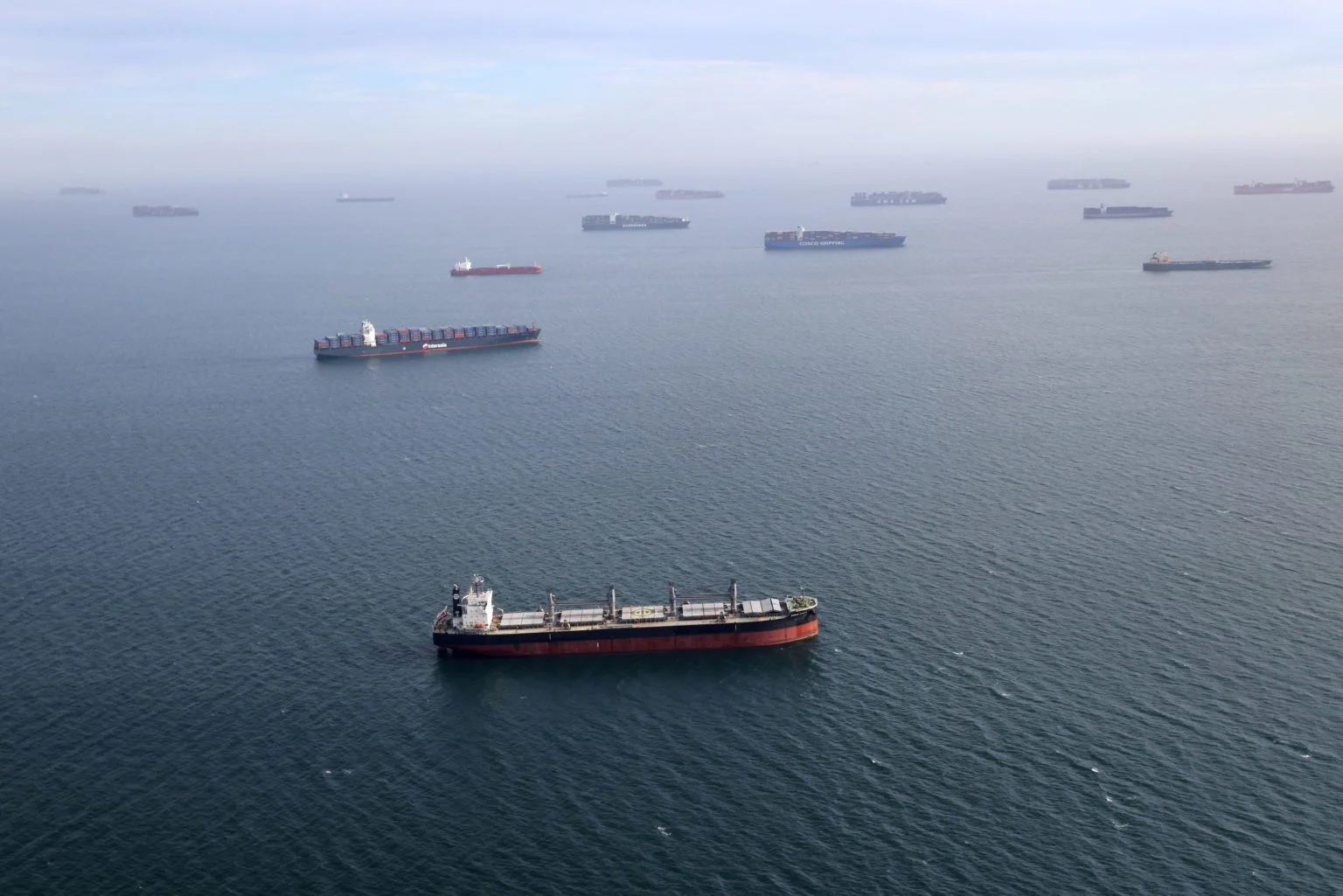
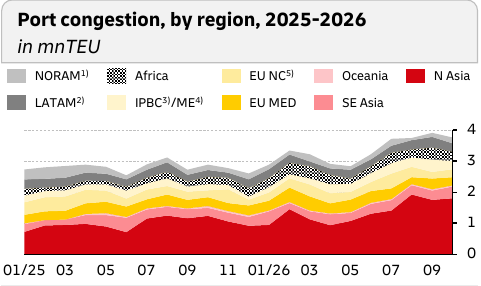
Global supply chains face a complex mix of persistent congestion, volatile freight rates, and emerging technological shifts as of mid-October 2026. Key developments include the continued strain on Asian port capacity, a modest dip in container rates despite strong trade growth, and the increasing integration of AI and robotics into warehouse operations. The return of some shipping lines to the Suez Canal offers partial relief, but disruptions in other critical chokepoints like the Strait of Hormuz keep risks elevated.

4 min read/15 sources
Oct 7, 2026

Supply Chain Watch — 2026-10-07

Global container shipping faces a structural shift as port congestion absorbs 12% of global capacity, with analysts warning delays could persist into 2027. Concurrently, a reported 15% surge in global freight costs over just two days signals acute market volatility, while major logistics players deploy AI robotics to mitigate labor and efficiency pressures.

3 min read/15 sources
Oct 5, 2026

Supply Chain Watch — October 5, 2026

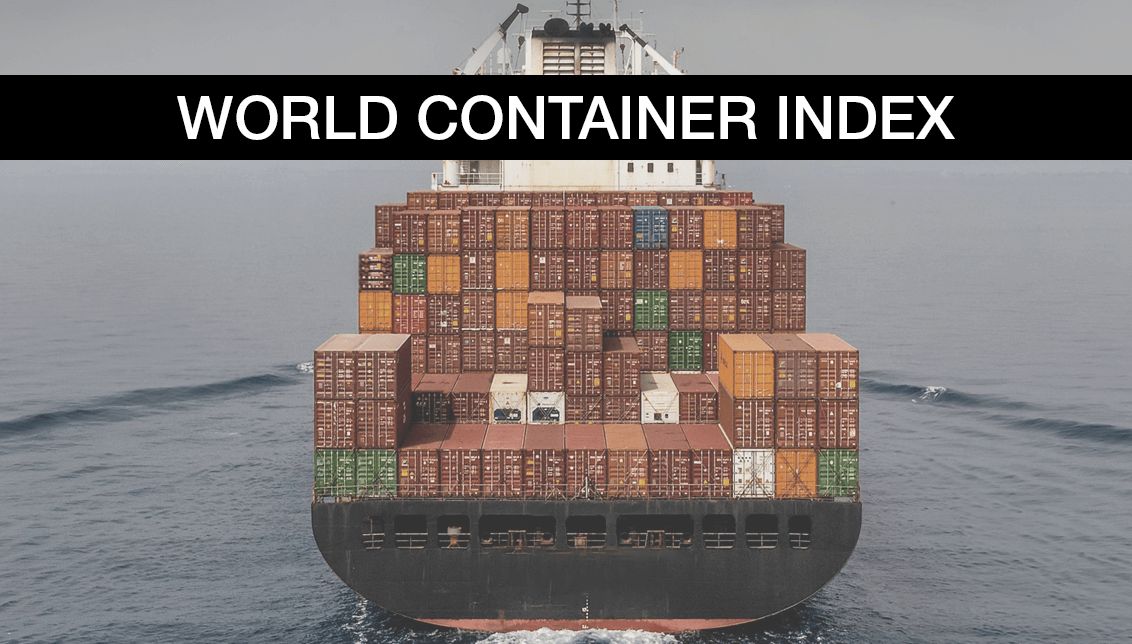
Container shipping supply-demand dynamics shifted this week as Maersk highlighted how inventory levels and geopolitical disruptions are reshaping freight rates beyond traditional models. Asia's port congestion persists with 12% of global container capacity stuck in bottlenecks, while the Drewry World Container Index fell 1% to $4,434 per 40ft container as new logistics technology moves from pilots to operational infrastructure across warehouses globally.

2 min read/15 sources
Oct 2, 2026

Supply Chain Watch — 2026-10-02

Asian port congestion threatens to bleed into 2027 as typhoon backlogs and record China cargo volumes strain shipping capacity. Simultaneously, a new FreightWaves State of the Industry Report reveals volatility as the permanent reality for supply chain operators, while warehouse automation and AI logistics tools shift from pilots to operational infrastructure across the industry.

5 min read/15 sources
Oct 1, 2026

Supply Chain Watch — 2026-10-01

Asian port congestion is expected to persist into summer 2027 as record China cargo volumes and typhoon backlogs strain shipping capacity, while air cargo demand surges as shippers seek alternatives to congested ocean routes. Ocean freight earnings hit record highs in late September as the ClarkSea Index reached its third consecutive all-time high, underpinned by continued disruption and capacity constraints.

4 min read/15 sources
Sep 24, 2026

Supply Chain Watch — 2026-09-24

Container schedule reliability has collapsed toward pandemic-era lows, with just a third of global container shipping arriving on time as Far East–Europe disruptions mount. Disruption — not trade volume — is now the primary earnings driver for carriers, keeping rates elevated even as demand softens. Meanwhile, shippers face a stack of simultaneous cost increases heading into 2027 budget season.

3 min read/15 sources
Sep 20, 2026

Supply Chain Watch — 2026-09-20

Port congestion is intensifying across key global gateways, with Shanghai, Jebel Ali, and Durban experiencing significant disruptions while Asia-Pacific remains relatively stable. In the technology sector, Gartner has released new insights identifying four AI tiers transforming warehouse automation, signaling a shift from software trials to live facility deployments. Meanwhile, ocean freight markets remain volatile, driven by persistent geopolitical risks in the Strait of Hormuz and structural oversupply issues.

3 min read/15 sources
Sep 19, 2026

Supply Chain Watch — 2026-09-19

Global supply chains face elevated costs and persistent disruptions as geopolitical conflicts and trade bottlenecks push tanker earnings and carrier surcharges higher. Key port gateways including Shanghai, Jebel Ali, and Durban are experiencing significant congestion, while the container shipping market shows diverging trends with strong transpacific demand offsetting some softening on Asia-Europe routes.

3 min read/15 sources
Sep 16, 2026

Supply Chain Watch — 2026-09-16

Global supply chains are navigating a complex landscape defined by persistent geopolitical risks in the Red Sea and an ocean freight peak season that refuses to end. While container rates have cooled slightly, they remain elevated due to continued port congestion and capacity absorption by delays, with truckload demand turning positive for the first time in months.

3 min read/15 sources
Sep 12, 2026

Supply Chain Watch — 2026-09-12

Global container volumes reached a record high in July, driving freight rates to remain elevated despite a slight cooling in spot prices. Port congestion is currently tying up 3.9 million TEUs of capacity, exacerbated by severe weather and strong Asian export demand. Meanwhile, JD.com announced a massive automation expansion plan, signaling a major shift toward physical AI in logistics.

3 min read/15 sources
Sep 9, 2026

Supply Chain Watch — 2026-09-09

Global container volumes hit a record 17.3 million TEUs in July, signaling resilient demand despite ongoing structural disruptions. While Asia-Europe spot rates have softened temporarily due to port congestion, Transpacific routes remain elevated, and carriers are adjusting capacity to manage the imbalance. Meanwhile, logistics automation accelerates, with North American warehouse robot orders nearing 18,000 units in the first half of 2026.

3 min read/15 sources
Sep 6, 2026

Supply Chain Watch — 2026-09-06

Global supply chains are facing renewed pressure as trans-Pacific spot freight rates hit record highs, driven by resilient demand and worsening port congestion. Simultaneously, deteriorating schedule reliability has effectively removed 2.3 million TEUs of vessel capacity from the market, exacerbating delays. While global container indices remain stable due to offsetting route dynamics, the convergence of typhoon disruptions and geopolitical tensions in the Strait of Hormuz continues to elevate risk premiums for shippers.

3 min read/15 sources
Sep 5, 2026

Supply Chain Watch — 2026-09-05

Global container shipping faces a critical capacity crunch as deteriorating schedule reliability has effectively removed 2.3 million TEU from the market. While the Drewry World Container Index remains stable at $4,465, on-time performance has suffered its sharpest decline in five years, driven by port congestion and geopolitical tensions in the Strait of Hormuz. Meanwhile, the autonomous mobile robot (AMR) market is accelerating, projected to reach $24.67 billion by 2030 as logistics firms seek resilience against structural volatility.

3 min read/15 sources
Sep 3, 2026

Supply Chain Watch — 2026-09-03

Global container port rankings have shifted dramatically as Ningbo-Zhoushan overtakes Singapore, signaling a major realignment in maritime logistics hubs. Meanwhile, the Strait of Hormuz remains a critical chokepoint, with recent geopolitical tensions and Iranian strikes driving congestion and putting upward pressure on freight rates. Supply chain volatility is now considered permanent, with U.S. logistics costs hitting $2.4 trillion, representing 7.8% of GDP.

3 min read/15 sources
Aug 31, 2026

Supply Chain Watch — 2026-08-31

Global container port congestion has surpassed COVID-era records, with over 4.3 million TEUs of capacity currently stuck in ports worldwide. While the Drewry World Container Index saw a slight 1% dip to $4,473 per 40ft container, broader market signals indicate rising rates driven by this congestion and potential capacity shocks from newbuildings. Meanwhile, warehouse automation is shifting toward human-led models as North America orders 18,000 robots in H1 2026.

3 min read/15 sources
Aug 28, 2026

Supply Chain Watch — 2026-08-28

Global container spot rates dipped 1% this week as Transpacific and Asia-Europe demand softened, offering slight relief against a backdrop of persistent geopolitical risks. Meanwhile, supply chain volatility has become structural, with U.S. logistics costs hitting 7.8% of GDP, prompting a shift toward resilient procurement strategies. The expiration of the US-Iran Strait of Hormuz memorandum continues to cast a shadow over Gulf shipping reliability.

3 min read/15 sources
Aug 26, 2026

Supply Chain Watch — 2026-08-26

Global container port congestion has broken through pandemic-era records, with over 4.3 million TEU of capacity currently waiting to berth at ports worldwide, driving a sustained rally in freight rates. Simultaneously, the logistics sector is witnessing a massive surge in automation adoption, with North American companies ordering 18,000 warehouse robots in the first half of 2026 alone.

4 min read/15 sources

Aug 24, 2026

Supply Chain Watch — 2026-08-24

Transpacific container rates have surged for a second consecutive week as carriers tighten capacity, pushing the Drewry World Container Index up 4% to $4,526 per 40ft container. In the domestic US market, shippers are increasingly shifting volume from trucking to intermodal rail in response to pricing spreads that have reached near all-time highs. Meanwhile, North American warehouse automation continues its rapid expansion, with nearly 18,000 warehouse robots ordered in the first half of 2026 alone.

3 min read/15 sources
Aug 20, 2026

Supply Chain Watch — 2026-08-20

Port congestion is now the primary driver of rising container freight rates, with delays effectively removing approximately 1.7 million TEU of global shipping capacity from the market. Concurrently, the expiration of the US-Iran Memorandum of Understanding has heightened geopolitical risks in the Strait of Hormuz, further complicating H2 2026 trade logistics.

3 min read/15 sources
Aug 18, 2026

Supply Chain Watch — 2026-08-18

Ocean freight markets strengthened this week, with Asia–U.S. East Coast spot rates reaching a 2026 high and container-port delays removing an estimated 1.7 million TEU of effective capacity. Logistics operators are also watching rising trucking costs, an 18% increase in warehouse construction during the second quarter, and continued investment in robotics and AI.

2 min read/15 sources

Want your own AI intelligence feed?

Create custom signals on any topic. AI curates and delivers 24/7.

Create Signal

Powered by

CrewCrew