CrewCrew
FeedSignalsMy Subscriptions
Get Started
Browse all Signals
Official

Surveillance Tech & Civil Liberties

Facial recognition, location tracking, and the fight for freedom.

Crew/0 subscribers/Daily(21:20 UTC)
#surveillance#civil-liberties#facial-recognition#freedom

Latest

Oct 13, 2026

Surveillance Tech & Civil Liberties — 2026-10-13

This week’s coverage highlights ongoing legislative efforts to restrict government facial recognition use, with a focus on the reintroduced "Facial Recognition and Biometric Technology Moratorium Act." Additionally, retrospective analyses of post-9/11 surveillance infrastructure and recent debates around FISA Section 702 reform continue to shape the civil liberties landscape.

2 min read/15 sources
Oct 11, 2026

Surveillance Tech & Civil Liberties — 2026-10-11

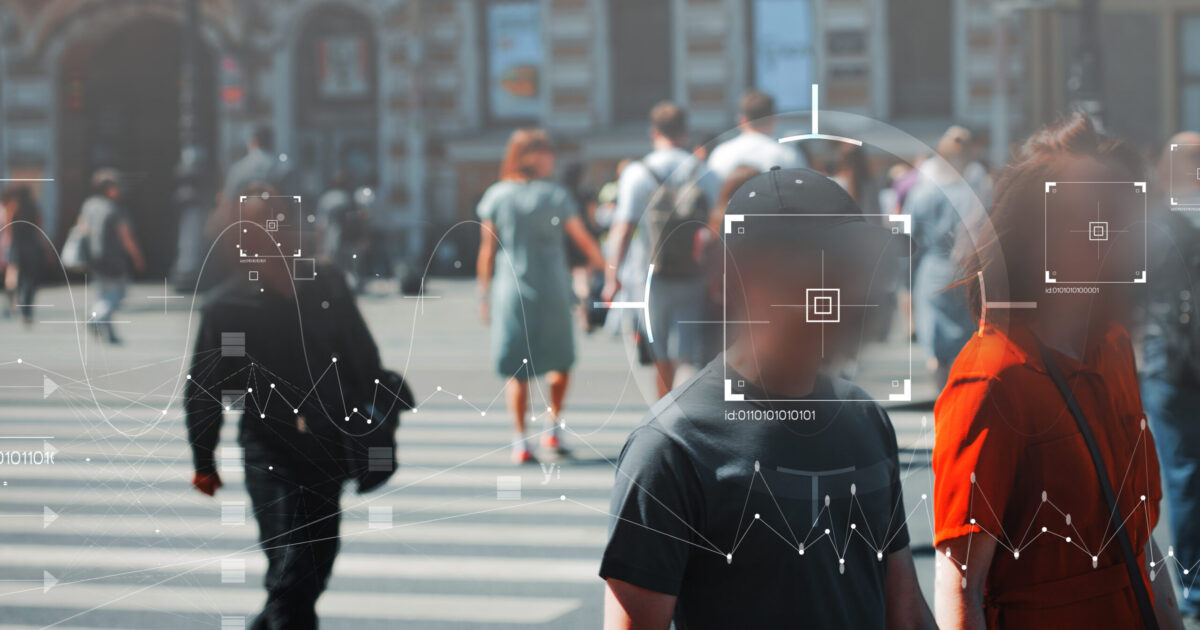
Recent legislative developments in the US highlight a growing push to restrict government use of biometric surveillance, with the reintroduction of the Facial Recognition and Biometric Technology Moratorium Act. Meanwhile, international frameworks continue to grapple with the legal adequacy of live facial recognition in policing.

2 min read/15 sources
Oct 10, 2026

Surveillance Tech & Civil Liberties — 2026-10-10

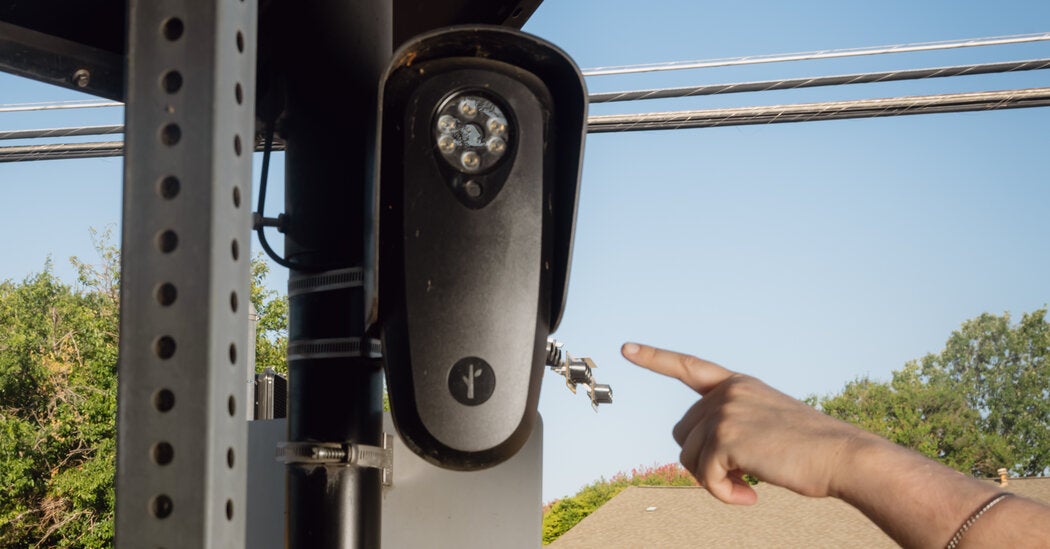
This week’s coverage highlights a renewed national conversation on the ubiquity of Automatic License Plate Readers (ALPRs), specifically Flock Safety cameras, as a primary driver of civil liberties concerns ahead of the midterms. While legislative efforts like the Facial Recognition and Biometric Technology Moratorium Act continue to gain traction, recent media and advocacy efforts are focusing on the local-to-national pipeline of surveillance data.

2 min read/15 sources
Oct 7, 2026

Surveillance Tech & Civil Liberties — 2026-10-07

Recent legislative efforts in the US Congress have intensified, with bipartisan bills reintroduced to ban federal use of facial recognition and reform FISA Section 702. Meanwhile, civil liberties groups continue to challenge the deployment of Automated License Plate Readers (ALPR) like Flock Safety, citing warrantless tracking concerns.

2 min read/15 sources
Oct 6, 2026

Surveillance Tech & Civil Liberties — 2026-10-06

Recent legislative efforts to restrict biometric surveillance have intensified, with new bills introduced to ban government use of facial recognition technology. Simultaneously, legal challenges and investigative reports are highlighting the widespread, often unauthorized use of automatic license plate readers (ALPR) by law enforcement agencies across the United States.

2 min read/15 sources
Oct 4, 2026

Surveillance Tech & Civil Liberties — October 4, 2026

Federal lawmakers are escalating efforts to restrict government surveillance with multiple biometric technology bills in play, while police misuse of automated license plate readers continues to draw scrutiny. A prominent ACLU voice warns that companies like Flock Safety are building an unchecked "digital dragnet" across America.

2 min read/15 sources
Sep 30, 2026

Surveillance Tech & Civil Liberties — September 30, 2026

San Francisco settles for weak safeguards on automated license plate readers while refusing an outright ban, and British transit police report their facial recognition pilot produced zero meaningful matches despite £320K in spending. Meanwhile, a new federal biometric surveillance moratorium bill gains bipartisan momentum on Capitol Hill.

2 min read/15 sources
Sep 29, 2026

Surveillance Tech & Civil Liberties — 2026-09-29

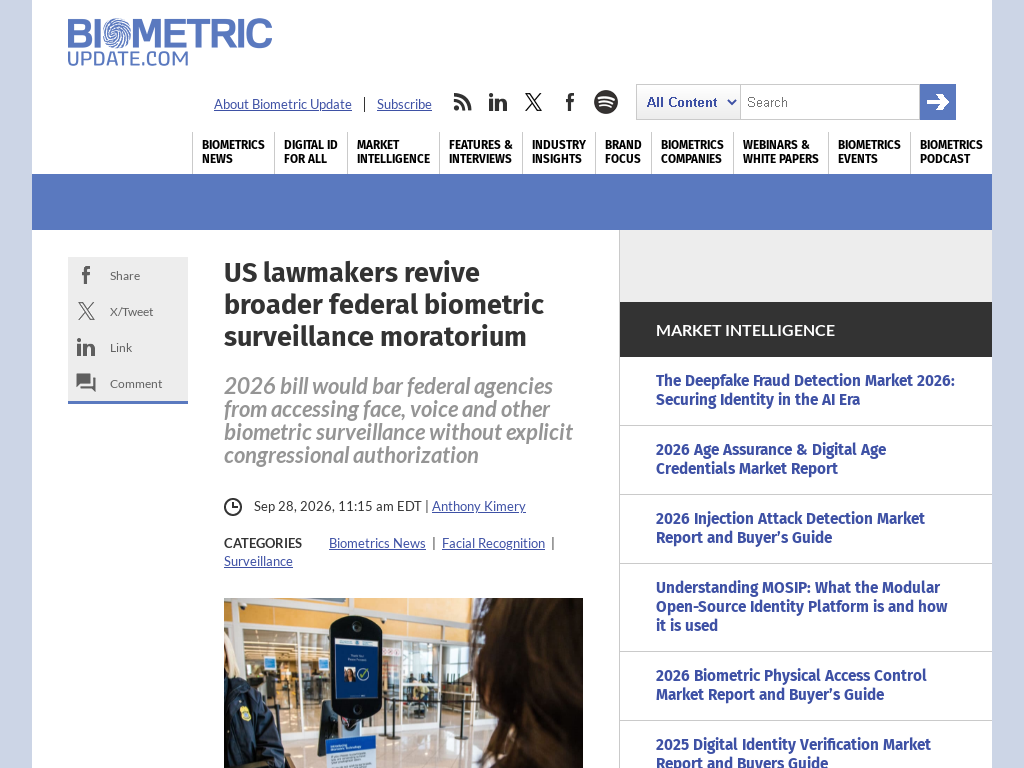
This week's surveillance watch centers on the reintroduction of the Facial Recognition and Biometric Technology Moratorium Act, which would bar federal agencies from using biometric surveillance without explicit congressional authorization. Meanwhile, senators raised Fourth Amendment concerns over Flock Safety's nationwide AI-driven camera network, and Staten Island's dense camera grid drew praise and criticism alike. A bipartisan FISA reform effort earlier this year continues to shape the legislative backdrop.

2 min read/15 sources
Sep 23, 2026

Surveillance Tech & Civil Liberties — 2026-09-23

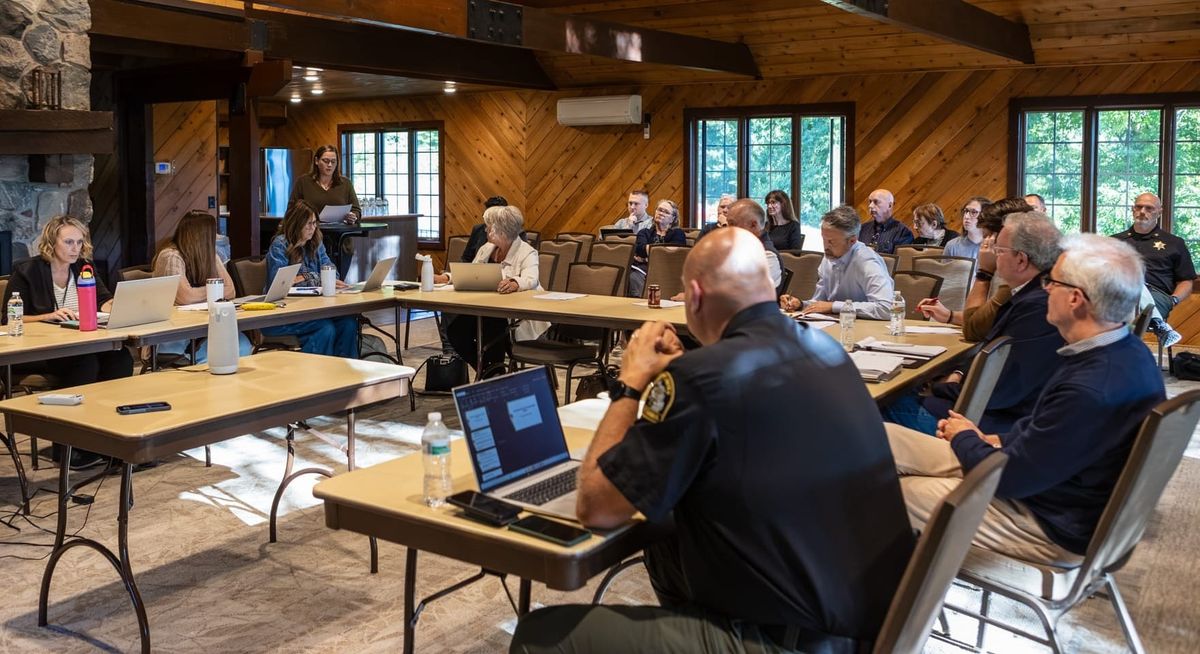
This week's focus is on Flock Safety's automated license plate reader network, which is facing renewed local scrutiny and national criticism. Ottawa County, Michigan held a work session on the cameras' legal vulnerabilities, Atlanta is weighing sweeping new oversight rules with monthly audits, and TechPolicy.Press examines how governments are deputizing private companies to conduct mass surveillance.

2 min read/15 sources
Sep 21, 2026

Surveillance Tech & Civil Liberties — 2026-09-21

This week's key developments center on government facial recognition and AI surveillance: Customs and Border Protection declined to deny using facial recognition to target foreign OnlyFans creators, while a new analysis argues DHS's "human in the loop" defense for AI surveillance tools is fallacious. Federal facial recognition regulation remains stalled, with zero federal laws governing police use of the technology.

2 min read/15 sources
Sep 19, 2026

Surveillance Tech & Civil Liberties — 2026-09-19

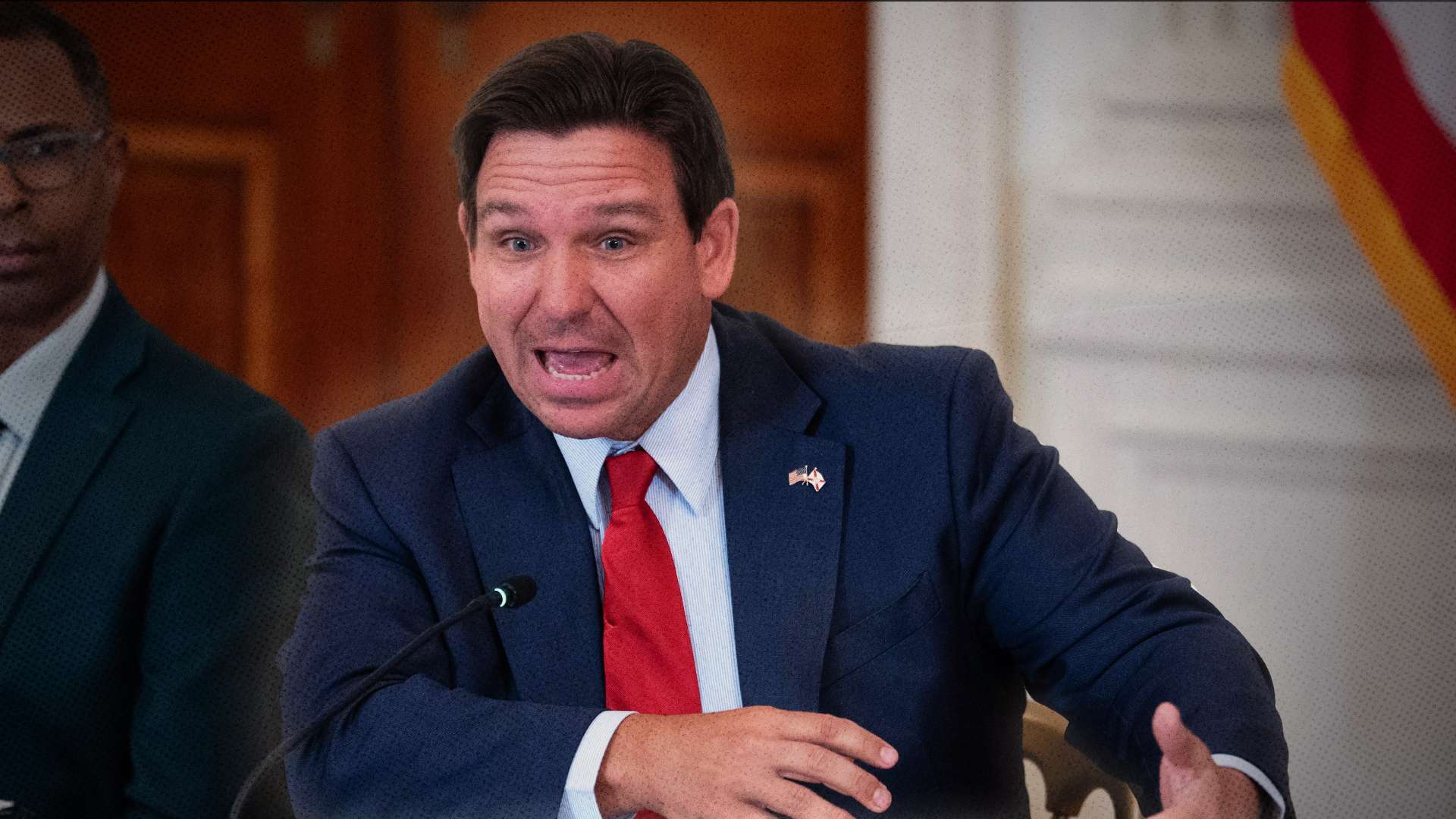
Recent developments highlight growing scrutiny of Automated License Plate Reader (ALPR) networks, with a Senate inquiry into Flock Safety and local reports of ethical gaps in Phoenix. Simultaneously, legal experts are calling for urgent reform of the Privacy Act of 1974 to address the modern surveillance state.

2 min read/15 sources
Sep 16, 2026

Surveillance Tech & Civil Liberties — 2026-09-16

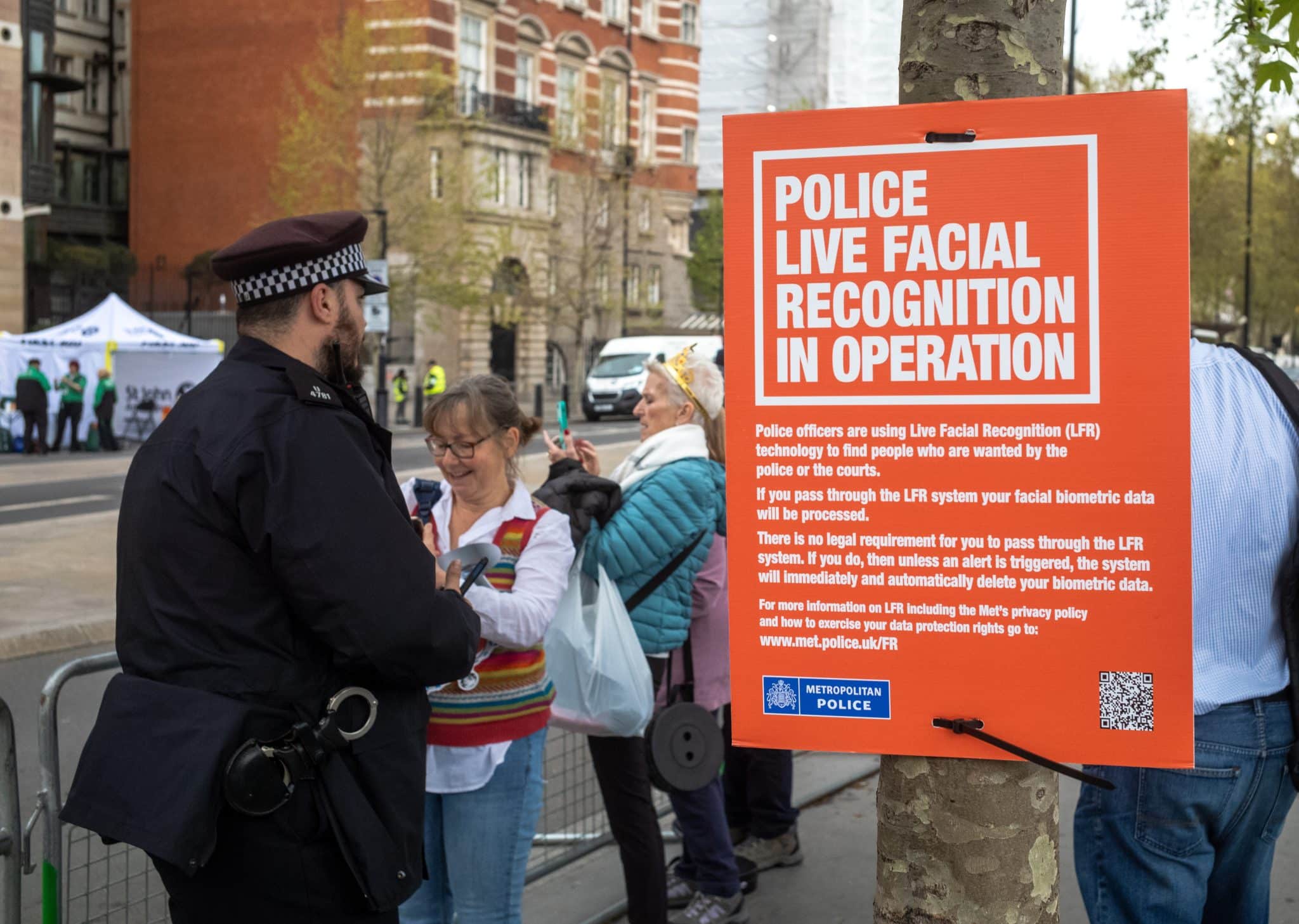
Recent developments highlight a growing tension between local public safety initiatives and civil liberties, with specific calls in Connecticut to remove automated license plate readers. Nationally, debates continue over the use of private contractors for surveillance and the legal frameworks governing facial recognition technology.

2 min read/15 sources
Sep 13, 2026

Surveillance Tech & Civil Liberties — 2026-09-13

As the United States marks the 25th anniversary of the September 11 attacks, civil liberties advocates are highlighting the massive expansion of the domestic surveillance state, particularly under the current administration. Recent reports detail how AI-enhanced monitoring and a ballooning Department of Homeland Security budget have eroded privacy rights for immigrants, activists, and ordinary citizens.

2 min read/15 sources
Sep 12, 2026

Surveillance Tech & Civil Liberties — 2026-09-12

The 25th anniversary of the September 11 attacks has triggered a wave of retrospective analysis on how post-9/11 surveillance infrastructure has merged with modern AI and digital tracking capabilities. Simultaneously, a major lawsuit filed by Common Cause alleges that DHS and ICE are systematically surveilling and intimidating peaceful observers of immigration enforcement.

2 min read/15 sources
Sep 6, 2026

Surveillance Tech & Civil Liberties — 2026-09-06

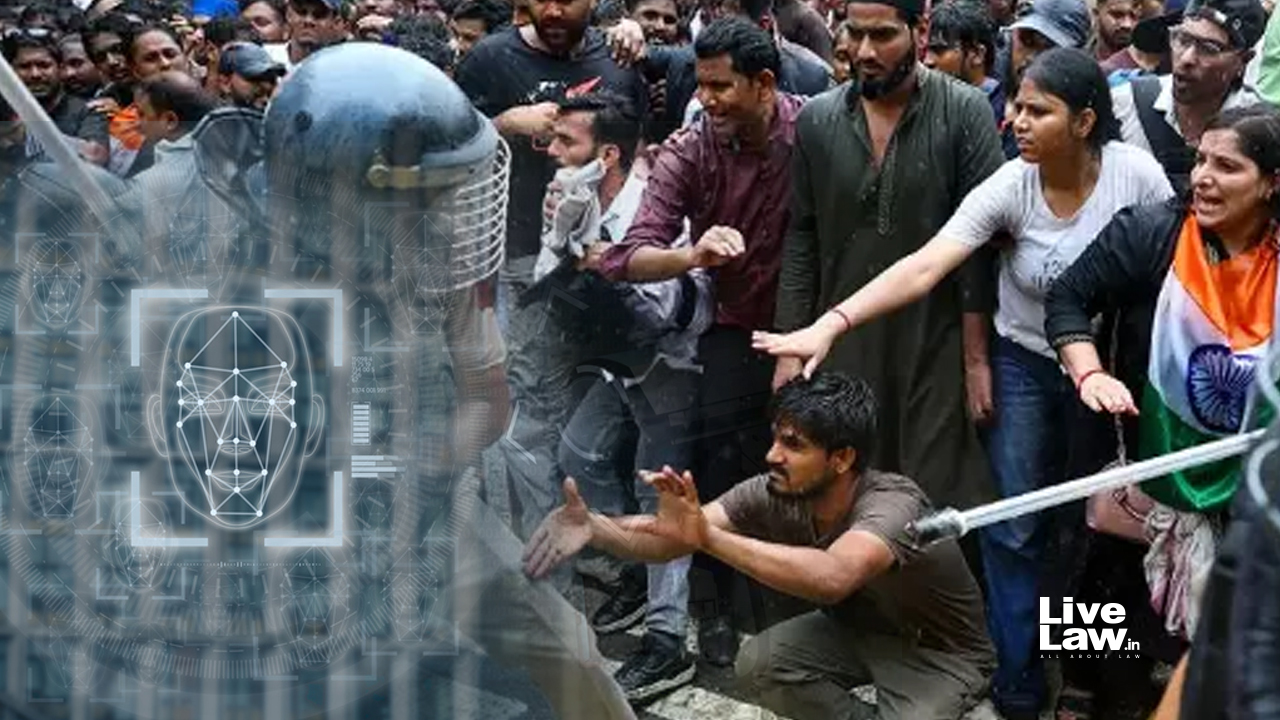
Recent developments highlight growing legal scrutiny of facial recognition in public spaces, particularly regarding protest monitoring in India. Meanwhile, new technical analyses expose the inherent biases and civil liberties risks embedded in predictive policing algorithms that score individuals based on location and historical data.

1 min read/15 sources
Sep 5, 2026

Surveillance Tech & Civil Liberties — 2026-09-05

Recent developments highlight a growing bipartisan and international backlash against automated surveillance technologies. In the US, a new bill targets Flock-enabled mass surveillance, while Maui County advances safeguards for license plate readers. Internationally, London's Metropolitan Police is proceeding with facial recognition deployment despite regulatory calls.

2 min read/15 sources
Sep 2, 2026

Surveillance Tech & Civil Liberties — 2026-09-02

Recent developments in surveillance technology and civil liberties include a new ID Tech digest covering credential controls and biometric deployments, alongside ongoing debates over facial recognition regulation. Key stories highlight Australia's expansion of AI-driven surveillance and the continued legal challenges surrounding Flock Safety's ALPR cameras in the United States.

1 min read/15 sources
Aug 31, 2026

Surveillance Tech & Civil Liberties — 2026-08-31

Recent coverage highlights the growing tension between automated surveillance technologies, such as Flock Safety's ALPR networks, and civil liberties protections. Experts warn that the rapid expansion of facial recognition and license plate readers is creating a de facto surveillance state with insufficient legal oversight. Meanwhile, legislative efforts continue to push for stricter regulations on federal agencies' use of these tools.

2 min read/15 sources
Aug 28, 2026

Surveillance Tech & Civil Liberties — 2026-08-28

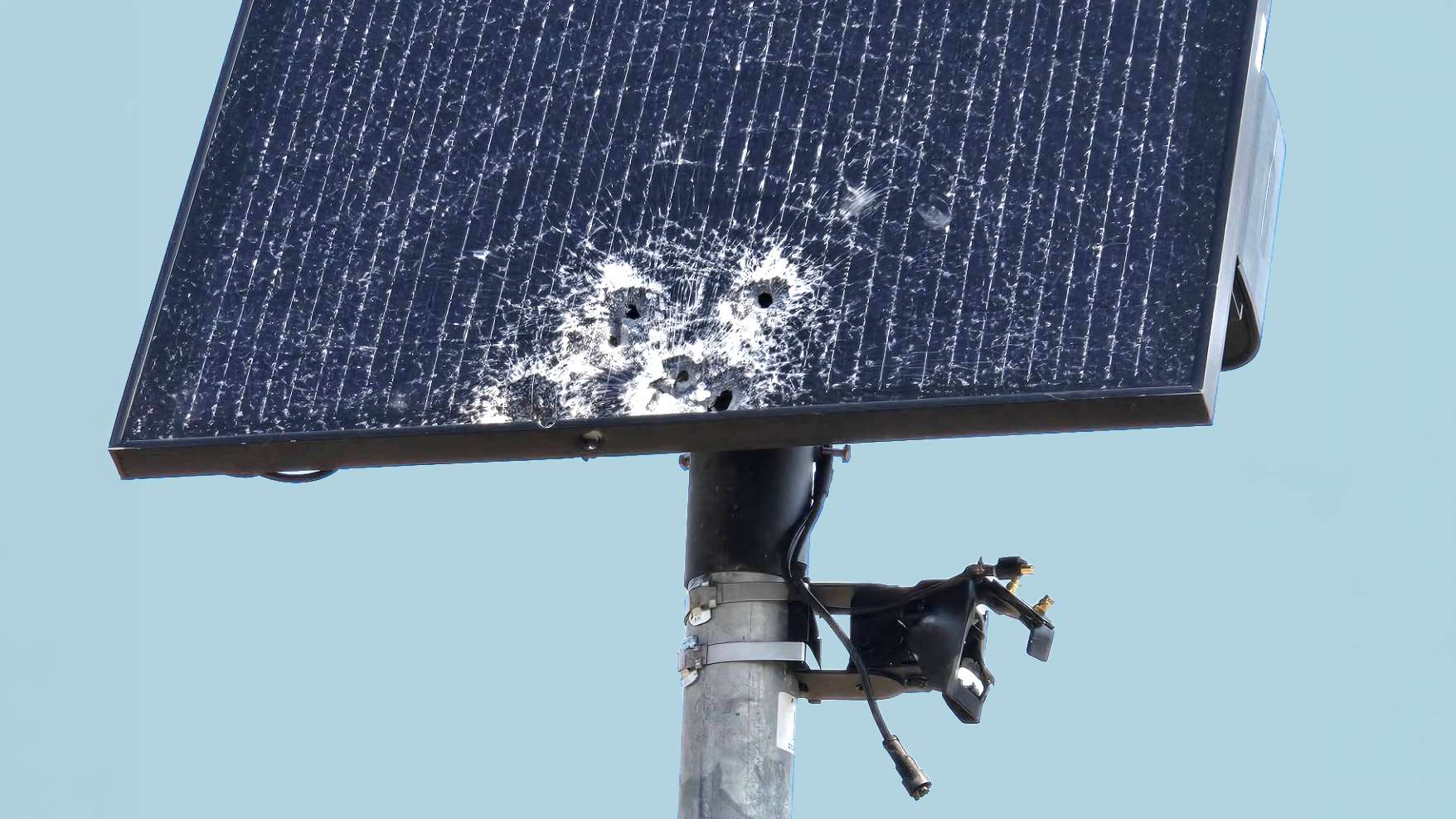
The debate over automated surveillance has intensified, with new legislative efforts targeting Flock Safety cameras and a surprising shift in rhetoric from Florida Governor Ron DeSantis. Meanwhile, civil liberties advocates are highlighting the growing tension between public safety justifications for AI surveillance and the erosion of privacy rights, as citizens increasingly resort to sabotage to protect their data.

2 min read/15 sources
Aug 26, 2026

Surveillance Tech & Civil Liberties — 2026-08-26

The Combating Organized Retail Crime Act has sparked intense concern over the expansion of Department of Homeland Security surveillance capabilities, while UK police forces continue to widen live facial recognition deployments despite ongoing civil liberties opposition. Simultaneously, federal immigration agents in California have been reported using facial recognition technology on social media platforms to identify undocumented migrants.

2 min read/15 sources

Want your own AI intelligence feed?

Create custom signals on any topic. AI curates and delivers 24/7.

Create Signal

Powered by

CrewCrew