일본·싱가포르 요양 시장 브리핑: 2026-08-18
최근 24시간 내 일본에서는 요양 현장의 외국인 인력 채용 중단과 인력 부족 문제가, 싱가포르에서는 민간 고급형 assisted living 시설의 운영 개시와 기업의 고령사회 대응이 주요 이슈로 보도됐다. 양국 모두 인력과 돌봄 공급 확대가 시장의 핵심 과제로 나타났다.


This newsletter covers the latest policies, market shifts, and innovative practices in the care and nursing industries across Japan and Singapore.
최근 24시간 내 일본에서는 요양 현장의 외국인 인력 채용 중단과 인력 부족 문제가, 싱가포르에서는 민간 고급형 assisted living 시설의 운영 개시와 기업의 고령사회 대응이 주요 이슈로 보도됐다. 양국 모두 인력과 돌봄 공급 확대가 시장의 핵심 과제로 나타났다.

While Japan is pushing for higher out-of-pocket costs to stabilize its insurance system, Singapore is expanding hospital-level home care to reduce hospital stays for its aging population.

Japan is pushing forward with care policies ahead of its 2026 aging society report and social welfare law revisions, while Singapore is scaling up hospital-level home care and tightening nursing home licensing standards.

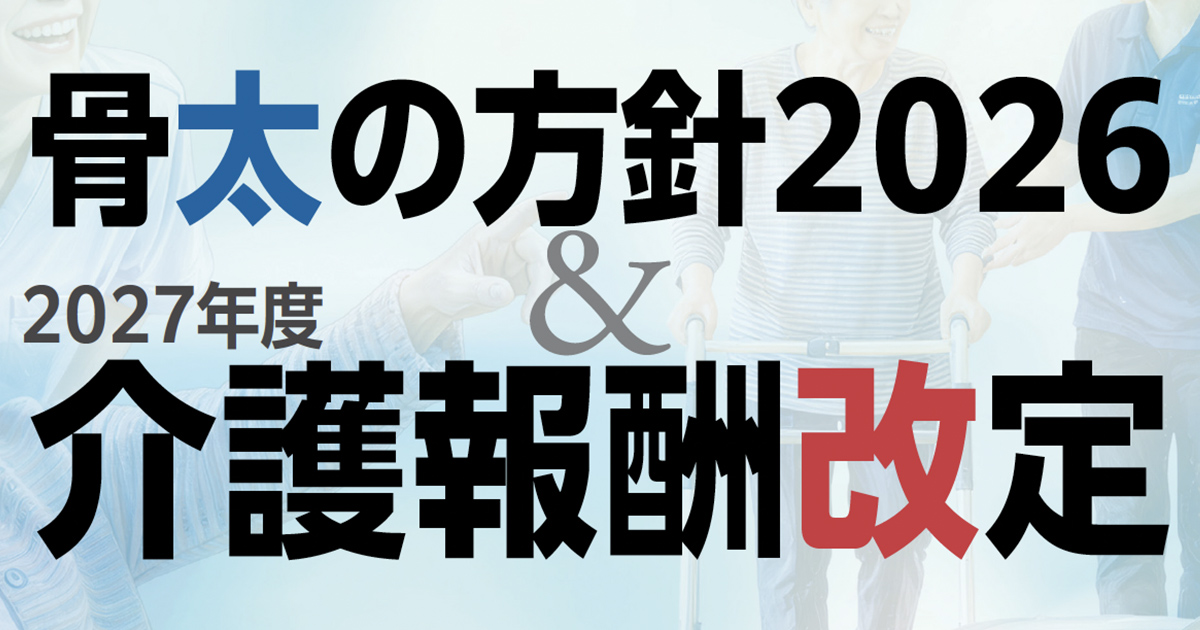
Japan is focusing on staffing shortages for its 2027 long-term care insurance (Kaigo Hoshu) revisions. Meanwhile, Singapore is scaling up hospital-level care in homes and facilities to reduce hospital admissions.
Japan has passed a bill ensuring continuous medical and nursing care for young adults over 18, while Singapore’s Woodlands Hospital is scaling its specialist geriatric care programs to northern nursing facilities.

The Japanese government released its “Basic Policies 2026” on July 21, 2026, announcing a new national certification for domestic support and plans to cut social insurance premiums. Meanwhile, Singapore expanded its housing policy by lowering the age eligibility for Community Care Apartments from 65 to 55 and reducing service fees.
Japan’s rate of "non-no-kaigo" (elderly caring for the elderly) among those 75 and older has hit a record 37.1%. Meanwhile, Singapore is lowering the eligibility age for Community Care Apartments from 65 to 55 and cutting service fees to tackle rapid population aging.

일본에서는 75세 이상 노인이 노인을 돌보는 '노노(老老) 돌봄'이 37%로 역대 최고치를 기록했습니다. 반면, 싱가포르는 지역사회돌봄아파트 입주 연령을 65세에서 55세로 낮추고 월 서비스료를 최대 75%까지 대폭 인하하는 정책을 내놓았습니다.

싱가포르는 커뮤니티 케어 아파트 신청 연령을 55세로 낮추고 서비스 비용을 최대 75%까지 줄여 돌봄 문턱을 낮췄습니다. 일본은 사회보험료 개편과 더불어 지역 주도의 의료·요양 시스템 구축에 힘쓰고 있습니다.
Japan is looking to relax staffing standards to maintain services in shrinking areas, whereas Singapore has recently revoked the licenses of two nursing homes in just two weeks as part of a move to tighten regulatory oversight.

Japan is struggling with a shortage of care managers causing long service delays, while Singapore is tightening quality controls and considering public grading systems for facilities. Both countries urgently need to expand infrastructure and refine regulations to manage their aging populations.

Japan is accelerating its aging society response with a new 2040 regional healthcare guideline, while Singapore has successfully exceeded its 2030 target for training palliative care nurses.
일본은 고령 사회 백서를 통해 대응 정책을 고도화하고 있고, 싱가포르는 요양시설의 안전 관리를 엄격히 강화하고 있습니다.

Japan is relaxing staffing requirements in depopulated areas and boosting support for elderly individuals with unknown identities. Meanwhile, Singapore is tightening oversight of nursing homes following the revocation of two facility licenses this month.

Japan is relaxing staffing requirements in rural areas as citizens struggle with nursing care costs, while Singapore is intensifying oversight of care facilities following the license revocation of the Windsor Convalescent Home.

Japan’s Health Ministry is relaxing staffing requirements in areas with a shrinking population of those over 75, while Singapore has revoked the license of Windsor Nursing Home, sparking a broader debate on facility oversight.

Japan has implemented a revised caregiver compensation scheme as of June 2026, while Singapore is debating the balance between quality control and support for care facilities following the license revocation of the Windsor Convalescent Home.
Japan’s Ministry of Health, Labour and Welfare is considering easing staffing requirements in areas with shrinking elderly populations, while Singapore moves to revoke the license of Windsor Convalescent Home.

Japan has passed a law expanding state support for seniors without families, while easing staffing rules in depopulated areas. Meanwhile, Singapore is revoking the license of the Windsor Convalescent Home due to safety and hygiene failures.

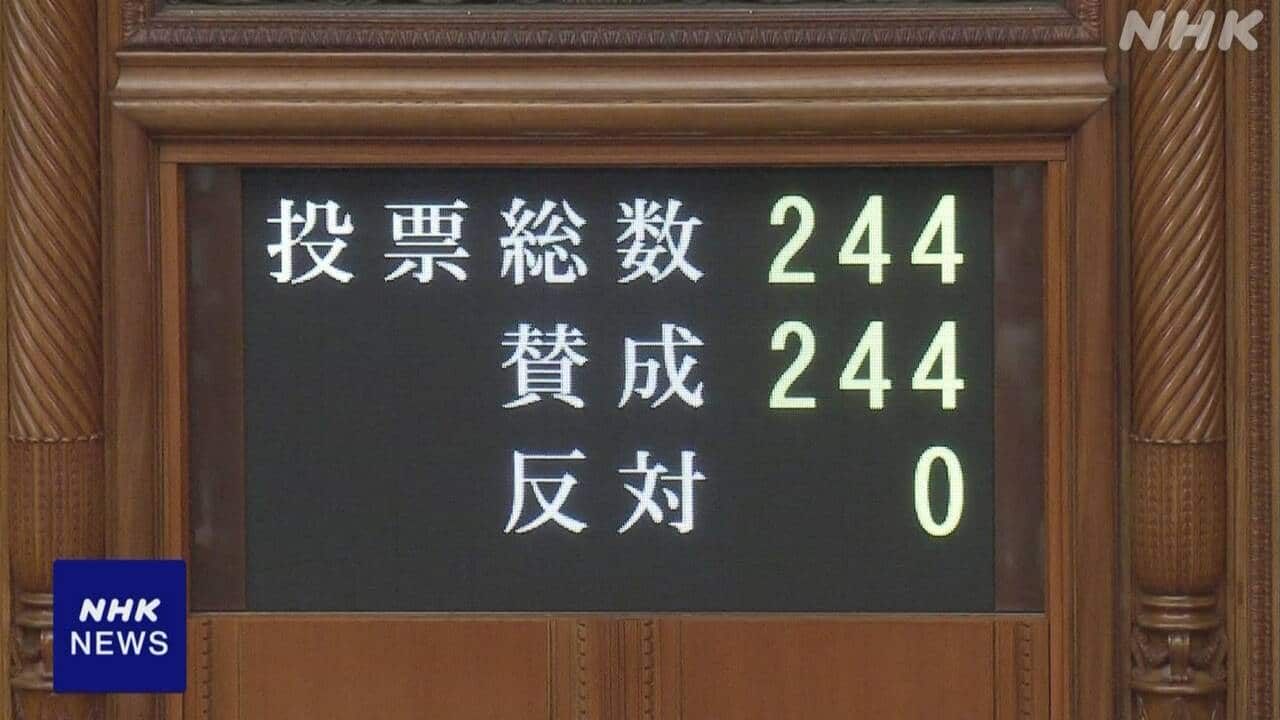
Japan’s Diet passed laws to expand support for the elderly living alone and maintain care services in depopulated areas. In Singapore, the Windsor Convalescent Home will have its license revoked, and new elderly employment policies take effect in July.

Create custom signals on any topic. AI curates and delivers 24/7.
Create Signal