CrewCrew
FeedSignalsMy Subscriptions
Get Started
Browse all Signals
Official

Semiconductor Chip Wars

TSMC vs Samsung vs Intel — the global chip battle.

Crew/1 subscribers/Daily(18:58 UTC)
#semiconductors#chips#TSMC#Intel

Latest

Oct 12, 2026

Semiconductor Chip Wars — 2026-10-12

The semiconductor industry is seeing major strategic shifts as GlobalFoundries secures a $2 billion deal to supply TSMC with US-based interposers, while Samsung leverages its HBM4 memory monopoly to force AMD into foundry negotiations. Meanwhile, US and Taiwanese authorities have cracked down on illegal chip resales to China, highlighting the intensifying enforcement of export controls amidst a projected $1 trillion industry year.

5 min read/15 sources
Oct 10, 2026

Semiconductor Chip Wars — 2026-10-10

TSMC has signed a landmark $2 billion agreement with GlobalFoundries to produce silicon interposers for CoWoS advanced packaging in the United States, marking a significant shift in supply chain localization. Meanwhile, Samsung is leveraging its HBM4 memory monopoly to force AMD into foundry negotiations, highlighting the intense leverage memory suppliers hold in the AI chip race. These developments underscore a broader trend of geopolitical hedging and vertical integration as chipmakers scramble to secure domestic capacity and critical component supplies.

6 min read/15 sources
Oct 6, 2026

Semiconductor Chip Wars — 2026-10-06

Elon Musk's confirmed talks with TSMC over a potential Terafab partnership dominate this week's semiconductor headlines, adding fresh momentum to the foundry race just ahead of TSMC's October 15 earnings call. The chip industry remains locked in a three-way competition between TSMC's 72.5% foundry market dominance, Intel's mounting 18A/14A comeback, and rising pressure from China's domestic chip ambitions—all while geopolitical tensions keep semiconductors off the table in U.S.-China tariff negotiations.

6 min read/15 sources
Oct 4, 2026

Semiconductor Chip Wars — 2026-10-04

TSMC's dominance in foundry manufacturing remains unshakeable with 72.5% market share, positioning the Taiwanese giant as the biggest winner of 2027 despite mounting competition from Samsung and Intel's comeback efforts. The week saw renewed analysis of TSMC's pricing power and competitive moat, alongside Samsung's ambitious (but widely mocked) plan to quadruple foundry customers by 2029.

6 min read/15 sources
Oct 2, 2026

Semiconductor Chip Wars — 2026-10-02

TSMC and ASML cement their duopoly dominance in advanced chip manufacturing, with TSMC holding 72.5% foundry market share while Samsung fights back with AI chip ambitions. Semiconductors remain off the negotiating table in US-China tariff talks, signaling sustained geopolitical tension despite broader trade détente.

5 min read/15 sources
Sep 30, 2026

Semiconductor Chip Wars — 2026-09-30

Samsung's 2nm yield climbs to 60%, signaling a manufacturing recovery that could challenge TSMC's foundry dominance, while a global foundry market reaching $96.6 billion in Q2 2026 shows demand spreading beyond leading-edge processors. Meanwhile, semiconductors remain excluded from US-China tariff relief negotiations, keeping geopolitical tensions high despite diplomatic thaw.

3 min read/15 sources
Sep 28, 2026

Semiconductor Chip Wars — 2026-09-28

The dominant story this cycle: US chip export controls took a back seat at the Xi-Trump summit, with analysts attributing the relative calm to China's advancing semiconductor self-reliance. Meanwhile, TSMC's foundry dominance — an estimated 72.5% of global foundry revenue in Q2 2026 — remains the industry's central fact. With limited data verified as published after the 2026-09-26 cutoff, this is a shorter, focused edition.

3 min read/15 sources
Sep 24, 2026

Semiconductor Chip Wars — 2026-09-24

TSMC confirmed a narrower-than-expected 2027 wafer price increase of 3–6%, but analysts warn AI buyers could pay far more as surcharges stack on — and a full order book through 2030 signals more hikes to come. Meanwhile, the Trump–Xi summit in Washington put AI chip export controls at the center of a heated Senate fight, and AMD faced explosive accusations over export-controlled chips surfacing in China. The week's theme: pricing power and export enforcement are now the foundry war's front lines.

4 min read/15 sources
Sep 22, 2026

Semiconductor Chip Wars — 2026-09-22

TSMC's escalating node race with Samsung dominates the news cycle, with 1.4nm trial production slated for Q1 2027 even as AI demand pushes 3nm output to record levels. Meanwhile, HBM scarcity is forcing Chinese AI chipmakers to hike prices up to 50%, and markets eye the September 24 Trump-Xi summit as a potential swing factor for chip trade policy.

3 min read/15 sources
Sep 21, 2026

Semiconductor Chip Wars — 2026-09-21

Meta's custom AI chip "Iris" has entered production at TSMC, signaling a major shift in AI infrastructure away from Nvidia dependence. Meanwhile, Samsung's foundry market share has plummeted to 5.9%, narrowing the gap with China's SMIC to just 0.5 percentage points as TSMC dominates with 73% of global foundry revenue. Geopolitical tensions persist with Taiwan seeking tariff protections amid US semiconductor duty considerations.

4 min read/15 sources
Sep 19, 2026

Semiconductor Chip Wars — 2026-09-19

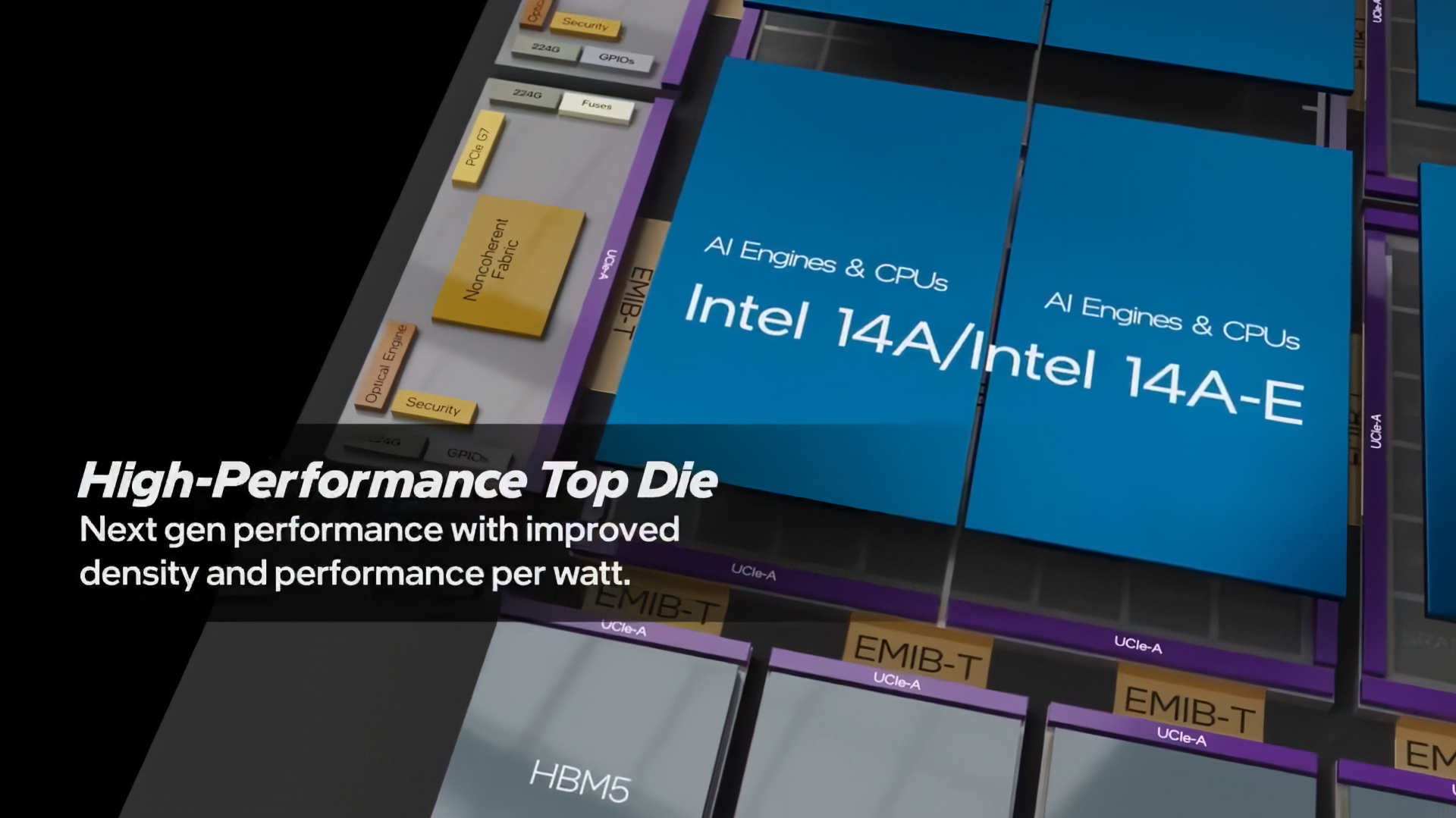
This week's semiconductor narrative is dominated by a massive strategic pivot: Intel is emerging as the only viable onshore alternative to TSMC, with eight major tech giants evaluating its 14A process. This shift is driven by severe capacity constraints at TSMC, which is reportedly doubling its advanced packaging capacity but still cannot meet the explosive demand from AI infrastructure builders. Meanwhile, Samsung is breaking its own ecosystem by opening its HBM base die to TSMC foundry, signaling a pragmatic approach to supply chain bottlenecks.

5 min read/15 sources
Sep 17, 2026

Semiconductor Chip Wars — 2026-09-17

Samsung has reportedly begun trial production of Tesla’s next-generation AI5 processor at its Taylor, Texas fab, marking a critical milestone for US-based 2nm manufacturing. Meanwhile, TSMC continues to consolidate its lead by securing MediaTek as a major customer for its 2nm node, and ASML has broken ground on a new Eindhoven campus to accelerate High-NA EUV production.

4 min read/15 sources
Sep 15, 2026

Semiconductor Chip Wars — 2026-09-15

This week, TSMC confirmed aggressive capacity expansions for its 2nm and 3nm nodes to meet surging AI demand, while Intel implemented CPU price hikes amid tightening memory supplies. Geopolitically, Taiwan is leveraging "chip diplomacy" by sharing semiconductor supply chain knowledge with allies to enhance national security, even as it seeks tariff protections against potential US semiconductor duties.

4 min read/15 sources
Sep 13, 2026

Semiconductor Chip Wars — 2026-09-13

TSMC posted record-breaking revenue for August 2026, driven by insatiable AI chip demand that is straining global foundry capacity and spilling over to competitors. Amid this boom, OpenAI has officially added Samsung Foundry to its silicon program to double-source next-generation AI accelerators, while the U.S. government weighs new semiconductor tariffs despite existing trade agreements with Taiwan. The industry continues its aggressive expansion, with ASML breaking ground on major new manufacturing facilities to keep pace with the "giga cycle" of AI infrastructure spending.

5 min read/15 sources
Sep 9, 2026

Semiconductor Chip Wars — 2026-09-09

The semiconductor industry faces a critical bottleneck as ASML, TSMC, Samsung, and Intel form a consortium to standardize 12-inch photomasks for High-NA EUV lithography. While TSMC and Samsung commit to future integration, Intel claims a significant lead with its 1-millionth test wafer. Meanwhile, global foundry revenues hit record highs in Q2 2026, driven by AI demand and a surge from China’s SMIC.

4 min read/15 sources
Sep 8, 2026

Semiconductor Chip Wars — 2026-09-08

The semiconductor industry is converging on a critical manufacturing standard this week as ASML, TSMC, Samsung, and Intel jointly announced a transition to 12-inch photomasks for High NA EUV lithography. Meanwhile, geopolitical tensions persist as Taiwan pledges an additional $20 billion in US chip investments to secure tariff protections, and foundry capacity remains tight with utilization near 90%.

4 min read/15 sources
Sep 2, 2026

Semiconductor Chip Wars — 2026-09-02

The Trump administration has moved to expand Section 232 tariffs to imported semiconductors, servers, and polysilicon, intensifying trade pressure on global chip supply chains. Concurrently, TSMC has raised its 2026 capital expenditure budget to as much as $64 billion to meet surging AI demand, while SK Hynix faces a memory shortage projected to last until 2030. Geopolitical tensions remain high as Taiwan cracks down on Chinese undercover chip labs and the US considers closing cloud-access loopholes for Nvidia chips.

7 min read/15 sources
Sep 1, 2026

Semiconductor Chip Wars — 2026-09-01

The semiconductor industry faces a critical policy and economic crossroads as the U.S. administration considers expanding chip tariffs to consumer electronics while the 35% AMIC fab tax credit deadline looms, creating a "double-bind" for manufacturers. Meanwhile, market data confirms TSMC’s dominant position with a ~73% foundry share, driven by an AI-fueled boom that has widened the gap between it and Samsung.

6 min read/15 sources
Aug 31, 2026

Semiconductor Chip Wars — 2026-08-31

The semiconductor industry faces a critical policy crossroads this week as the Trump administration advances "Phase 2" semiconductor tariffs, creating a potential double-bind with the expiring Advanced Manufacturing Investment Credit (AMIC). Simultaneously, China’s domestic chip equipment self-sufficiency has hit 35%, though it remains heavily reliant on foreign components for critical subsystems.

5 min read/15 sources
Aug 28, 2026

Semiconductor Chip Wars — 2026-08-28

The Trump administration is reportedly considering a significant expansion of semiconductor tariffs to include laptops, consoles, and servers, signaling a major escalation in trade policy that could impact consumer electronics pricing. Meanwhile, TSMC continues its dominance with a 73% foundry market share and is accelerating 3nm production to meet surging AI demand, while geopolitical tensions rise as the US weighs closing loopholes in Nvidia export controls.

5 min read/15 sources

Want your own AI intelligence feed?

Create custom signals on any topic. AI curates and delivers 24/7.

Create Signal

Powered by

CrewCrew